The Black Spades Preview is Available Today for Xbox Insiders!
Tim, Xbox Program Manager
Are you ready to play Spades? We’re excited to partner with Konsole Kingz and invite all Xbox Insiders on Xbox Series X|S to join the Black Spades Preview starting today. Join to give the team your feedback to help them refine and polish the game before release. This preview is an integral part of the development process, and we are delighted that you’ll be a part of it. Space is limited — reserve your spot today!
About the Game:
Yep, that’s right! Spades the way your friends and family play at home, college, reunions, and holiday get-togethers! The only spades game with Jokers, Deuces, and Reneg calling!
Black Spades was created for spades players on all levels. From the beginner playing at home to the expert playing on the go, our game was designed to get you straight to the action with no gimmicks.
Show off your spades skills to friends and family, then share them with the world!
How to Participate:
Sign-in on your Xbox Series X|S console and launch the Xbox Insider Hub app (or install the Xbox Insider Hub from the Store first if necessary)
Navigate to Previews > Black Spades
Select Join
Wait for the registration to complete and be directed to the Store and install Black Spades da Demo!
NOTE: Space is limited and available on a first-come, first-served basis.
NOTE: This playtest is only available on Xbox Series X|S consoles.
How to Provide Feedback:
If you experience any issues while playing Black Spades, don’t forget to use “Report a problem” so we can investigate:
Hold down the home button on your Xbox controller.
Select Report a problem.
Select the Games category and Black Spades da Demo! subcategory.
Fill out the form with the appropriate details to help our investigation.
For more information: follow us on X/Twitter at @XboxInsider and this blog for announcements and more. And feel free to interact with the community on the Xbox Insider SubReddit.
A werebear commando in a supernatural WWII tactics game — meet Wojtek.
Based on a real bear who served in the Polish Army and was promoted to corporal.
Play today and see history’s wildest true story reimagined.
Meet Wojtek, Sumerian Six‘s Most Loveable War Machine
Sumerian Six is a tactical stealth game set in an alternate-history World War II, where a squad of supernatural operatives is sent behind enemy lines to stop a Nazi occult programme. It’s a game full of colourful characters, but one stands head and shoulders – and several hundred kilograms – above the rest: Wojtek, a Polish soldier who also happens to be a werebear. In combat, he can shift freely between his human form, where he brings stealth, dexterity, and tactical thinking to the mission, and his bear form, where subtlety goes out the window and raw, unstoppable force takes over. He’s one of those characters who earns his place in a roster immediately – the moment you realise you can send a shapeshifting bear crashing through a German patrol, the game has you. But as wonderfully over-the-top as a werebear soldier sounds, the real story that inspired him is somehow even better.
The Real Wojtek: A Bear Who Actually Enlisted
It’s 1943, somewhere in Iran. A group of Polish soldiers – exiles fighting their way across the Middle East after escaping Soviet labor camps – encounter a young boy with a bear cub in a burlap sack. His mother had been killed by hunters. In exchange for a Swiss Army knife, some canned beef, and a bit of chocolate, the soldiers took him in. They named him Wojtek, a Polish diminutive meaning, brilliantly, “joyful warrior.”
They fed the tiny cub condensed milk from an empty vodka bottle. They wrestled with him, shared their rations, and let him ride in the front seat of their trucks. Wojtek, for his part, took to military life immediately – he marched in formation on his hind legs, learned to salute, and picked up a few of his comrades’ less wholesome habits along the way, including a taste for beer and a fondness for eating cigarettes whole (he never quite got the hang of the smoking part).
By the time the 22nd Artillery Supply Company prepared to ship out to Italy, Wojtek had grown into a full-sized Syrian brown bear. This created a small bureaucratic problem: the British transport ship forbade mascots and animals. The Polish soldiers’ solution was wonderfully straightforward – they simply enlisted him. Wojtek was drafted as a private, given a serial number and a paybook, and officially listed among the soldiers of the company. No one, apparently, questioned this.
The Battle of Monte Cassino: Where Legends Are Made
In May 1944, the Allied forces faced one of the most punishing battles of the entire Italian campaign – the assault on Monte Cassino, a fortified German stronghold perched atop a mountain that had already repelled three previous attacks. The Polish II Corps was tasked with taking the summit.
During the battle, Wojtek did something that would cement his place in history. Watching the men around him haul heavy crates of artillery ammunition through the chaos, he simply started doing the same. He carried 25-pound artillery shells in crates that would normally take four men to move, hauling load after load without dropping a single one. Whether through mimicry, solidarity, or some combination of both, he had decided his unit needed help – and he helped.
After the Polish victory, Wojtek was promoted to corporal. The 22nd Company adopted the image of a bear carrying an artillery shell as their official emblem, printed on vehicles, pennants, and uniforms. One of the most decorated units of the Italian campaign went into battle under the banner of their bear.
After the war, when Poland fell under Soviet control and most of the soldiers could not safely return home, Wojtek came with his unit to Scotland. He spent his retirement at Edinburgh Zoo, where former soldiers regularly visited, tossing him cigarettes over the fence and speaking to him in Polish – which he reportedly still responded to. One story tells of a man who brought a violin to the zoo and played a Polish mazurek, and Wojtek, the old soldier, began to sway. He died in 1963, aged 21, weighing nearly 500 kilograms. Statues in his honour now stand in Edinburgh, Warsaw, Kraków, Cassino, and beyond.
From History to Sumerian Six: The Joyful Warrior, Reimagined
It’s not hard to see why the developers reached for Wojtek when building their ensemble of supernatural WWII operatives. The real bear was already almost mythological – loyal beyond reason, absurdly capable, as comfortable among soldiers as he was being a bear. All Sumerian Six had to do was lean into what was already there and add a touch of the supernatural.
The game’s Wojtek carries forward the spirit of his real-world counterpart in both directions. In human form, he brings the intelligence and adaptability that the historical Wojtek showed just by existing in a military unit and figuring things out – from carrying ammunition to learning the camp routines. In bear form, he channels the raw physical force and the undeniable presence of a 500-kilogram creature that once singlehandedly improved Allied logistics at Monte Cassino. The ability to switch between the two isn’t just a cool mechanic; it’s a portrait of an animal who was always a little bit of both – a bear who thought like a soldier, and a soldier who happened to be a bear.
The real Wojtek’s story resonated so deeply because it captured something true about loyalty, about belonging to something bigger than yourself, and about the unexpected places where courage shows up. A shapeshifting werebear fighting Nazis in a supernatural commando unit is, in the most sincere way possible, exactly the kind of sequel he deserves.
Want to see Wojtek in action for yourself? Sumerian Sixis available now — and whether you’re in it for the story, the tactical gameplay, or simply the joy of sending a werebear through a Nazi checkpoint, there’s something in it for you.
Lead an unlikely team of commando scientists behind enemy lines to fight Nazis, uncover arcane mysteries, and wield experimental technology to turn the tide of WWII in this real-time tactical stealth adventure.
Sumerian Six follows the Enigma Squad, a team of commandos composed of the world’s greatest scientists who combine their skills to conduct secret missions in their fight against the Third Reich. Together, you seek to thwart ex-member Hans Kammler’s nefarious plans involving a powerful, mystical substance named Geiststoff.
Embark on a thrilling journey across multiple continents alongside allies such as the exiled chemist Rosa Reznick, Wojtek the Werebear, and the esoteric psychoanalyst Siegfried von Adelsberg. Dispose of your enemies by using each team member’s unique set of abilities inspired by their fields of expertise, and learn to master the art of chaining them together for devastating effects if you hope to be successful.
As you delve deeper into the Nazi plot, you’ll encounter occult-scientific weapons and ancient Sumerian artifacts linked to Kammler’s machinations. A grim future awaits you should the Nazis be victorious, so do your best to prevent that dark timeline from coming true in this real-time tactical stealth adventure.
Demon Nazis
Led by Hans Kammler, a former member of your Squad, the Nazis tap into the occult to create the ultimate Wunderwaffe. Face off against heavily armed, mutated, and supernaturally charged forces, and put your strategic abilities and dexterity to the ultimate test.
Playful Violence Meets Super Science
Sneak your way around Nazi strongholds and dispatch the ever-present watchmen in a variety of ways before taking on the more serious threats before you. Combine your team’s dynamic powers in creative displays of tactical might.
Travel the World
Inspired by real places and events, Sumerian Six takes you on a journey through an alternate history where folk stories and conspiracy theories are as real as the Nazi threat.
Welcome to Next Week on Xbox! In this weekly feature we cover all the games coming soon to Xbox Series X|S, Xbox One, Xbox on PC, and Game Pass! Get more details on these upcoming games below and click their profiles for further info (release dates subject to change). Let’s jump in!
FATAL FRAME II: Crimson Butterfly REMAKE Digital Deluxe Edition
This Japanese-style horror adventure game follows twin sisters who become lost in an abandoned village haunted by vengeful spirits. Using the Camera Obscura—a device that can capture and seal away the impossible—they fight ghosts as the story unfolds. This title has undergone a complete overhaul, with improvements to everything from visuals and audio to the core gameplay systems and controls.
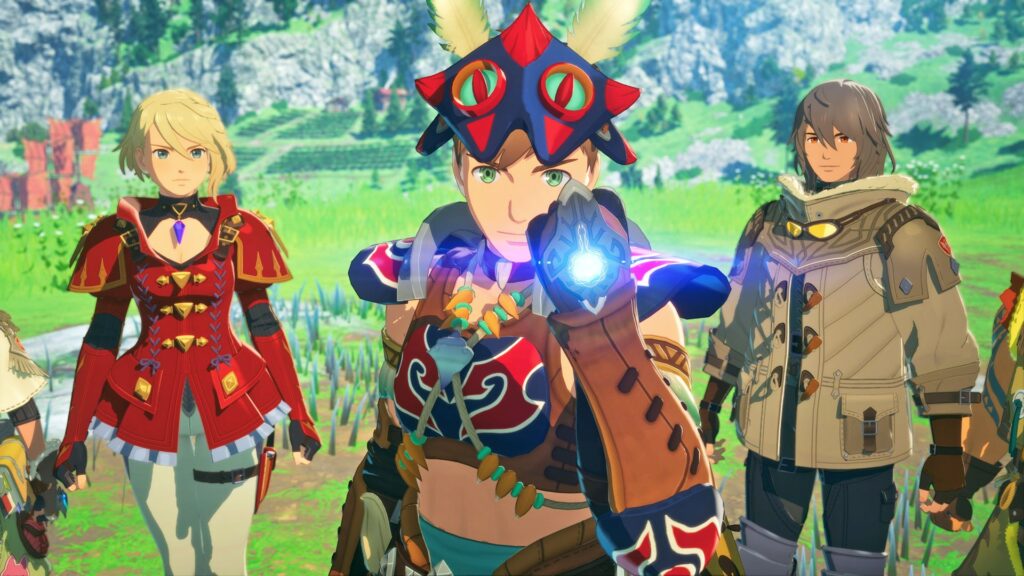
Monster Hunter Stories is an RPG series set in the Monster Hunter world, where you can become a Rider, raising and bonding with your favorite monsters. Azuria and Vermeil: two countries, on a path to destruction. When all hope seems lost, an egg is found. Born from the egg is not a single Rathalos, but twins, bearing the Skyscale marking that hearkens back to the disastrous civil war of 200 years prior. The natural world teeters on the verge of destruction, with countless monster species facing extinction. In the shadow of these dark times, the flames of war rekindle. A Rider and their trusted Rathalos, buffeted by the winds of fate, set out on a journey for the truth.
Run the world’s greatest show your way and live out your WWE fandom to the fullest. Experience the most expansive gameplay to date with rebellious Legends of the Attitude Era and Superstars of today. Featuring the most stacked lineup in franchise history with 400+ playable WWE Superstars and Legends, including The Rock, Triple H, John Cena, Rhea Ripley, and fan-favorites like Rey Fénix, Rusev, and Blake Monroe. Rewrite wrestling history and relive CM Punk’s greatest rivalries in a world where The Voice of the Voiceless never left, including fantasy historical scenarios. Punk’s rise, rebellion, and return make this the most personal Showcase yet.
MLB® The Show 26 – Digital Deluxe Edition (Pre-Order)
Make your mark. Become a Legend. Own The Show. Step up and take control of how you leave your mark in the most immersive MLB The Show yet. Discover new Road To The Show mechanics, deeper Franchise experiences, enhanced customization options, and true-to-life on-field action. Pre-order to receive a Gold Choice Pack and Early Access on March 13.
GreedFall: The Dying World is a narrative-driven RPG. The story takes you to the far reaches of a vast fantasy world, inspired by 17th century Europe. Create your character: appearance, attributes, talents, abilities. Then dive into a rich adventure, meeting many allies who will prove vital in overcoming the dangers that await you. As you progress, every choice you make influences the course of events, every alliance you forge has real consequences, and every decision can change the fate of the world.
John Carpenter’s Toxic Commando – Blood Edition (Pre-order)
In the near future, an experimental attempt to harness the power of the Earth’s core ends in a terrifying disaster: the release of the Sludge God. Take control of one of the commandos, team up with your friends and send the Sludge God and its horde of things-that-should-never-be back to the underworld. Choose the class that matches your playstyle, pile into your favorite ride, and unload an array of gunfire, grenades, special abilities, and freaking katanas as you save the planet.
Catch the wave of tranquility in Crabwave, a relaxing puzzle where a stylish crab surfs across islands, bringing life wherever he goes. Connect water streams, plan the perfect route, and plant coconuts to transform beaches, reefs, and mangroves into vibrant paradises.
All 5 games are fast-paced and controlled with a single button. In R Wheel, try to survive inside a spinning wheel with spikes. In Divarr, your goal is to knock the enemy bombs down and avoid hitting your allies. In Throw M, you are flying on a balloon which is constantly going up and down. In Wiper, you are in charge of a wiper and your goal is to clean the windscreen from all the raindrops. In D Missile, your goal is to launch missiles and shoot down enemy projectiles falling from the top.
A first-person psychological horror where you play as Vera, locked inside a nightmare born from your family’s broken past. Restore memories, solve puzzles, and face what you tried to forget. It must end, before you do. Caught between dreams and memories, you search for what should have been forgotten. As fragments of your family’s tragedy surface, they poison your mind and intertwine with your memories, distorting the dream into something increasingly horrific. In this nightmare, everything feels connected – bound by guilt, sorrow, and something far darker you cannot yet comprehend.
1 CatLine – March 11 Optimized for Xbox Series X|S / Smart Delivery / Xbox Play Anywhere
Master puzzling stages with the help of your 2D feline companion! Welcome to 1 CatLine, a brainteasing precision platformer where you must guide a daring and adventurous heroine through single-screen challenges, with 50 unique levels spanning a variety of colorful pixel art biomes.
The Hidden Cats are back to explore the whispers and shadows of the mysterious Spooky Village! Find over 1200 hidden objects across 12 levels, collect special cards, and discover real-life cats shared by our Hidden Cats community!
Welcome to Parkour Labs, a vaporwave-inspired parkour game. Surf the waves of nostalgia and retro aesthetics, sliding down ramps and performing smooth turns. Explore colorful and surreal landscapes inspired by the culture, music, and art of the 80s and 90s. Collect glitch effects and artifacts to unlock new levels and secrets. Experience the synthwave atmosphere in this unique and original game that challenges your mouse control and movement skills.
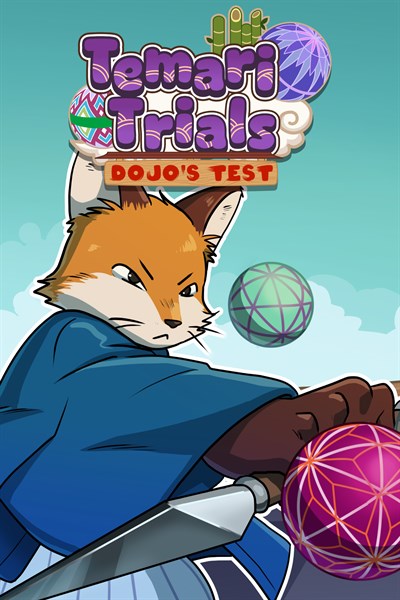
Temari Trials: Dojo’s Test is a logic-focused puzzle game with charming pixel art where you guide a clever fox pushing temaris toward locked chests. Every hit removes a lock, and when a chest is fully unlocked, the level is cleared. Temaris can also push each other, allowing creative setups and surprising solutions for players who enjoy Japanese aesthetics and clever problem-solving.
Get ready for an intense adventure alongside Claudinho, a brave little cloud who battles wildfires to protect the Amazon rainforest and other Brazilian ecosystems! A Clareira is a 2D shoot ’em up game. Your mission is to launch raindrops, extinguish fires, collect power-ups, and overcome obstacles in increasingly challenging stages that will put your reflexes and strategy to the test. Stay alert: powerful bosses will appear along the journey — prepare yourself and save Brazil’s ecosystems!
Bubblegum Galaxy is a cozy narrative building game about rebuilding the galaxy by designing planets. Relax as you create colorful planets or spend hours trying to get a perfect score! Your small but trusty computer will allow you to design planets by placing tiles. To create efficient planets, the software will suggest missions such as connecting similarly colored tiles or a specific number of trees. Each planet has its own quirks and special rules you will have to master to do your best work yet!
Step into the forest and unwind in Claim the Forest: Shape of Wolves, a cozy puzzle game where adorable wolf-shaped pieces must fit perfectly onto the board. Pick up the pieces drifting calmly on river boats, rotate them, test positions, and discover the right combination to fill every single space. With 30 charming levels, the game blends just the right amount of challenge with a calm and welcoming atmosphere. Boards vary in size and shape, asking for attention, logic, and a sharp eye to make sure no corner is left empty.
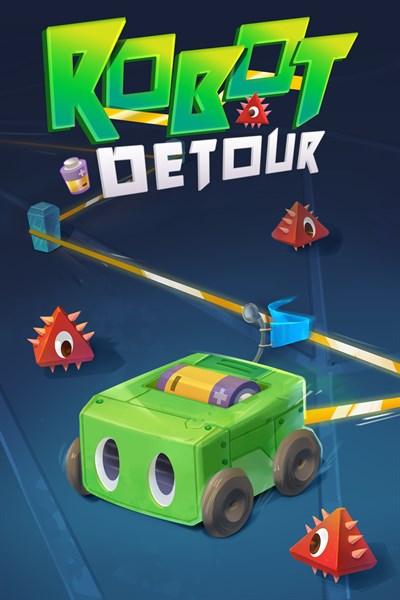
Wrap your head (and cable) around Robot Detour’s numerous puzzles! Deliver batteries to your robot friends, avoid enemies and gain a deeper understanding of the intricate rules and mechanisms of the game’s world.
An evil Necromancer has brought ruin upon an already dangerous island. It’s up to Rynna to fight her way through hordes of monsters and undead beings, and defeat the Necromancer and his minions and free the souls of those who have been trapped in the world of the living. Find Weapons and Artifacts, explore the 20 zones, each dividing into multiple caves and dungeons. Help the people by finding their possessions and freeing their souls.
Zumba – Galactic Marble Blast propels you into a vibrant sci-fi universe where you, a brave spacefrog, must fend off waves of rolling marbles—and occasionally rogue planets—before they vanish into the void. Select a star system, position your frog-powered cannon at the screen’s center, and launch colorful marbles or planets along winding orbital paths. Match three or more identical spheres to trigger spectacular explosions, pause the advance, and rack up combos for massive scores.
Slime your way though this platforming adventure about a brave little slime in a vast magical kingdom. The evil menace known as Lord Old Skull has been freed, and now our colorful family of slimes must heed the call of heroism. Customize your slime, journey through diverse biomes, battle powerful bosses, and discover alternative branching paths in this slime-sized action quest. Choose your level of challenge while gaining items, building experience, and enjoying immersive retro graphics and sounds.
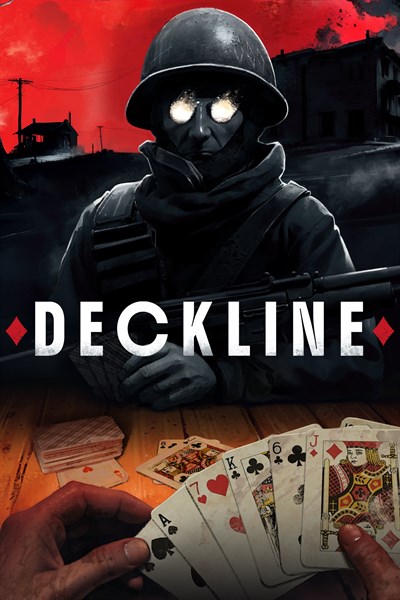
Deckline is an atmospheric war-horror card game. Out of ammo and encircled, you play one last game of Durak to distract from the inevitable. Experience the grit and dread of modern combat through the lens of a board game. Your command has abandoned you. With all resources depleted and no hope of rescue, you and your squad gather for one last game of Durak. With death closing in, you shuffle the deck, clinging to the memories of laughter and camaraderie. Now, it’s all that remains.
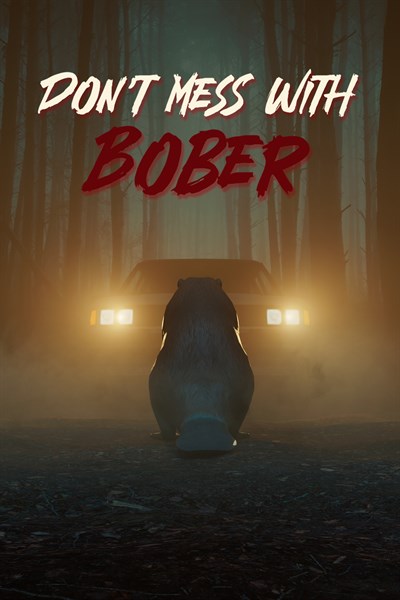
Don’t Mess With Bober is an atmospheric first-person horror game inspired by 1980s classics, where a seemingly innocent vacation turns into a nightmare. A small mistake during your holiday can unleash the wrath of an enraged Beaver seeking revenge. Immerse yourself in a chilling experience filled with tension, suspense, and classic horror elements.
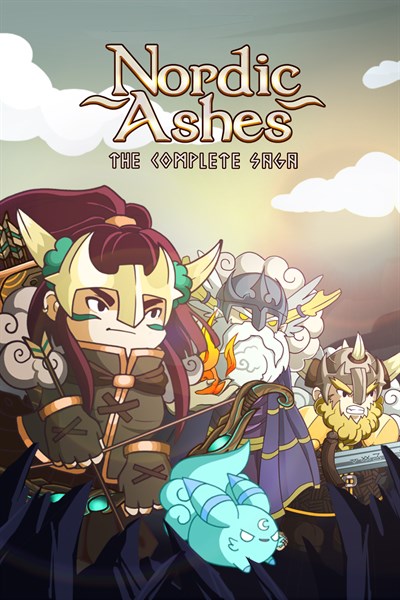
Nordic Ashes is a challenging Norse-inspired roguelite-survivor game, where you’ll have to survive hordes of creatures that come your way. Unlock new weapons and abilities as you battle. Upgrade your characters’ stats with Constellation Ability Trees, equip yourself with powerful relics and slay your enemies before they surround you, or it may be too late…
Stillbone is a platformer with a tactical twist: enemies only move when you do. Control a brave little skeleton exploring ancient dungeons and mysterious forests, where every step counts and every jump must be calculated with care. Blending the rhythm of a platformer with the planning of a puzzle, Stillbone delivers a unique experience, where standing still can be just as powerful as moving fast.
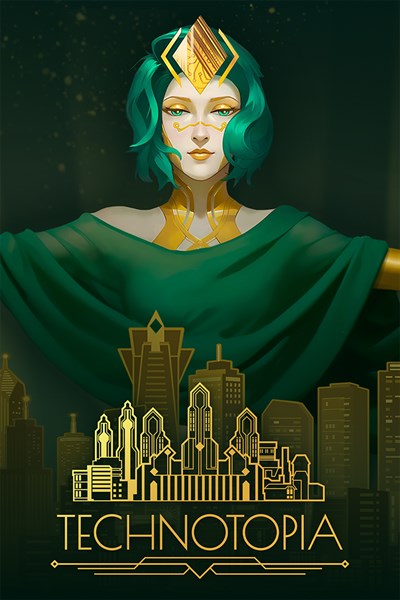
Technotopia – March 13 Optimized for Xbox Series X|S / Smart Delivery / Xbox Play Anywhere
Welcome to Technotopia, a city-builder card game. Take on the role of an AI designed to build a perfect city. Build districts, meet the needs of diverse communities and maintain the delicate balance between factions vying for control over you!
Explore the open world of a fictitious American Midwest and survive the harsh environment. Convince other settlers to join you and manage your ever-growing settlements. Build a home, take care of your farm and become a legend in Wild West Legacy.
Fresh Looks at Pragmata, Monster Hunter Stories 3: Twisted Reflection and More in Capcom Spotlight 2026
Joseph Bustos, Social Media & Community Manager, Capcom USA
Today, Capcom Spotlight shared exciting news and updates for Capcom’s packed line-up of games, with a little something for everyone. We’re proud to share new info ranging from returning franchises like Monster Hunter, to completely new titles like Pragmata, and more! Read on for the details.
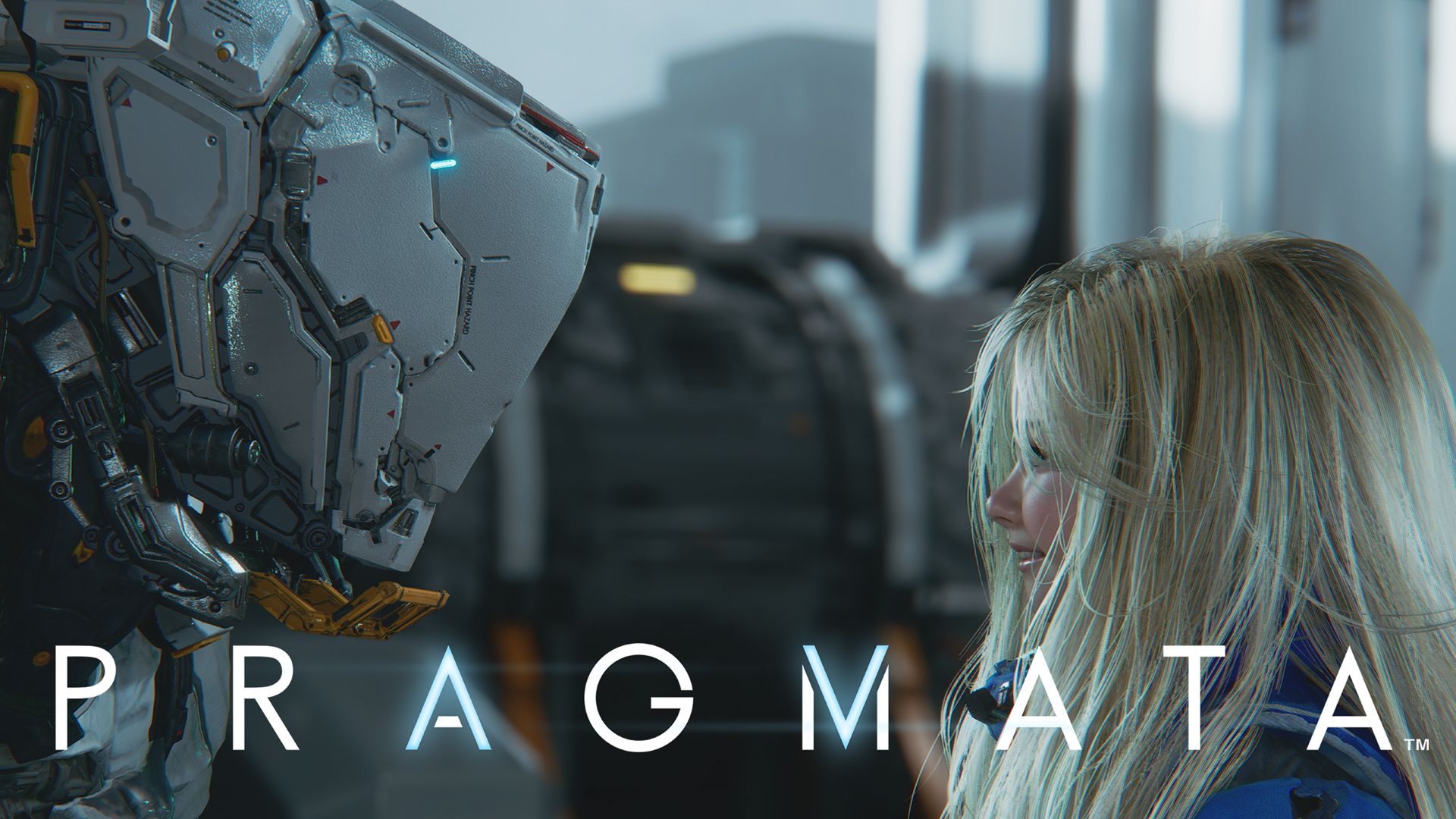
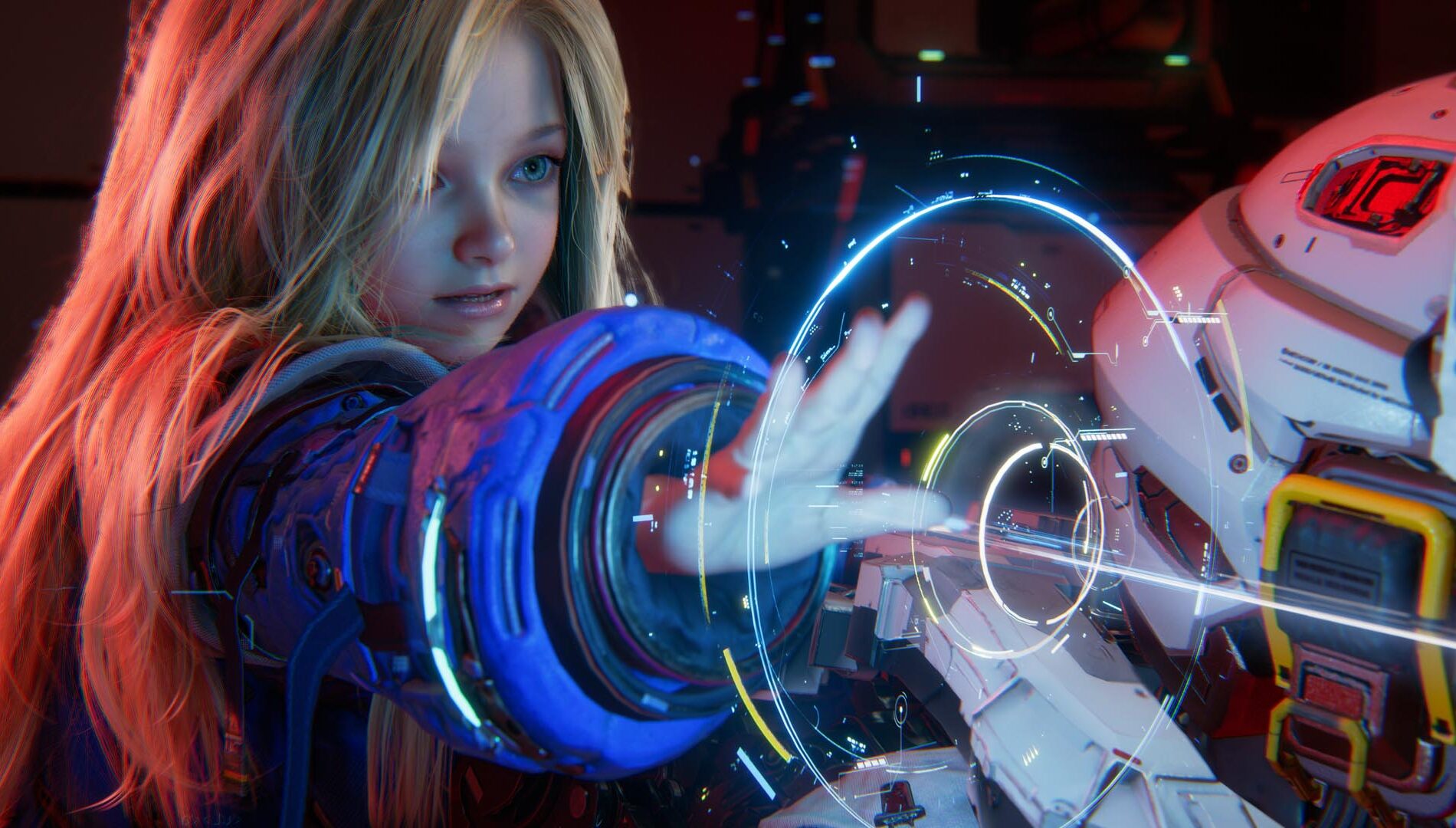
Hack Deeper into the Mysterious World of Pragmata
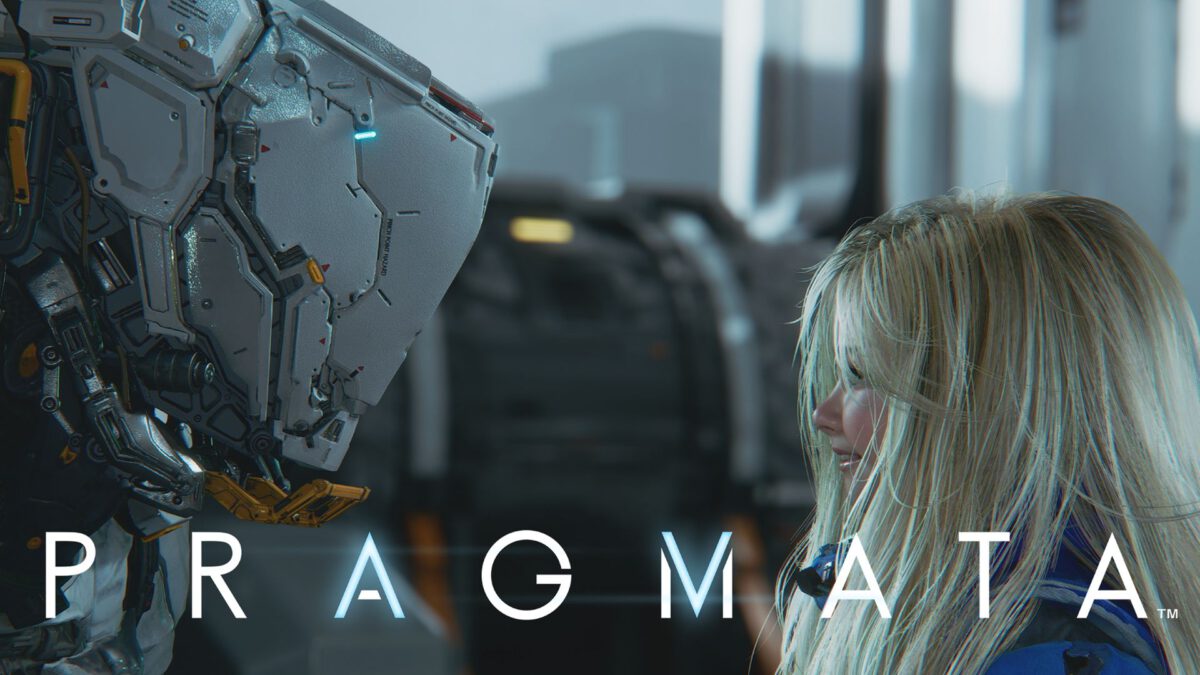
Capcom Spotlight debuted a stunning new look at the long-awaited sci-fi action-adventure game, Pragmata. Additionally, we’re happy to announce the updated release date for the game, which now lands one week earlier on April 17, 2026!
Have a look at the new trailer, which includes a look at a new friend that will help guide you while you’re in the Shelter.
Pre-order Pragmata ahead of launch on Xbox Series X|S and check out the Deluxe Edition for some extra in-game costumes, rare digital artwork, and more.
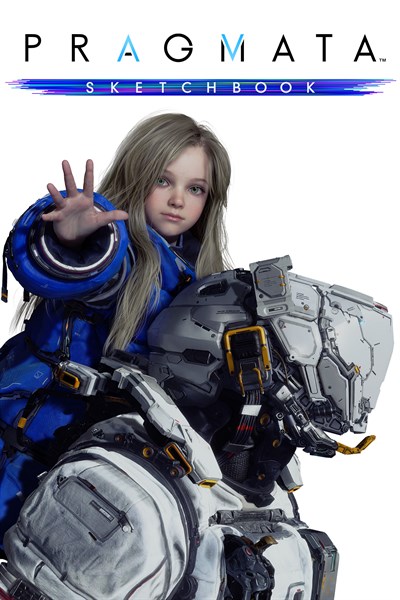
If you haven’t tried the game yet, check out the Pragmata Sketchbook Demo to try out the game’s unique mix of hacking and shooting. Be sure to complete it multiple times to uncover its secrets and different endings.
The gameplay demo, Sketchbook, lets you try out this combat system that engages both sides of your brain, while you also get to experience what it’s like to traverse the lunar research station.
*This demo supports English and Japanese voice.
*Some in-game features may differ from the full game.
*Ray tracing is not supported on Xbox Series S.
Monster Hunter Stories 3: Twisted Reflection Launches March 13!
Monster Hunter Stories 3: Twisted Reflection arrives next week, reaching new heights for this turn-based, story-rich RPG story set in the world of Monster Hunter. Have a look at the game’s launch trailer, which delves further into the deep and dramatic story that awaits.
Two countries, twin Rathalos. One Rider and their trusted Rathalos, alongside their companions, must navigate the conflict between these two Azuria and Vermeil, all while the looming disaster of the Crystal Encroachment threatens the world.
As you get ready for launch, here’s a rundown of the various bonuses you can get. Players with save data for past Monster Hunter games can get special layered armor for the protagonist.
Monster Hunter Wilds save data – Hope Layered Armor set
Monster Hunter Stories save data – Hakum Rider Outfit
Monster Hunter Stories 2: Wings of Ruin save data – Mahana Rider Outfit
Monster Hunter Rise save data – Kamura Garb
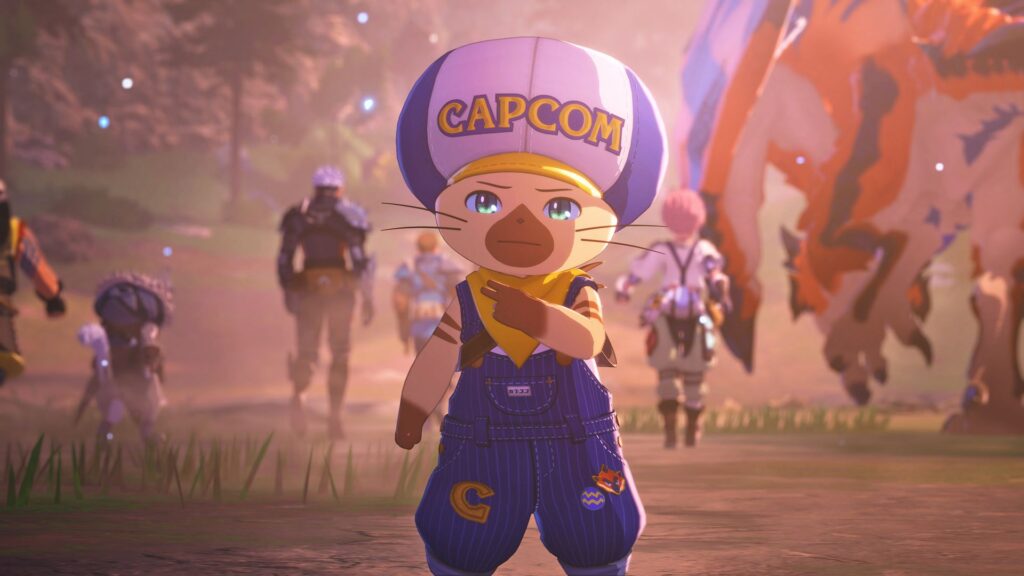
Additionally, linking your Capcom ID account will allow you to receive the adorable Catcom Works outfit for Rudy! We’re also releasing two free cosmetic DLCs at launch: the Gold Circlet accessory for the protagonist, and the Wind Wyvern’s Friend Layered Armor for Simon.
Interested in giving the game a test ride? Try out the content packed Monster Hunter Stories 3: Twisted Reflection demo now for free and transfer your save data to the full version at launch!
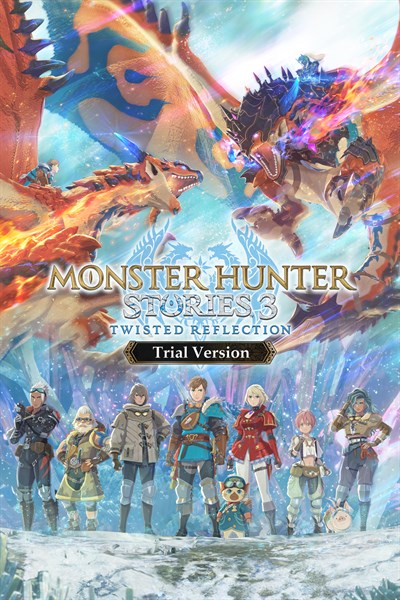
Monster Hunter Stories 3: Twisted Reflection Trial Version
This is the trial version of Monster Hunter Stories 3: Twisted Reflection.
You can play the beginning portion of the game for free.
Save data will transfer to the full version.
The third entry in the Monster Hunter Stories RPG series is here!
Twin Rathalos, born in a twist of fate.
Monster Hunter Stories is an RPG series set in the Monster Hunter world, where you can become a Rider, raising and bonding with your favorite monsters.
The Story
Azuria and Vermeil: two countries, on a path to destruction.
When all hope seems lost, an egg is found. Inside is a Rathalos, a species thought to be extinct.
But this quavering light of hope is quickly extinguished, giving way to the darkness of despair.
Born from the egg is not a single Rathalos, but twins, bearing the Skyscale marking that hearkens back to the disastrous civil war of 200 years prior.
The natural world teeters on the verge of destruction, with countless monster species facing extinction. In the shadow of these dark times, the flames of war rekindle.
Two countries, and two Rathalos.
A Rider and their trusted Rathalos, buffeted by the winds of fate, set out on a journey for the truth.
Online Features Revealed for Mega Man Star Force Collection
Mega Man Star Force Legacy Collection arrives on Xbox Series X|S on March 26! Capcom Spotlight showed off the collection’s new online features, including the ability to search across all three titles to find a match quickly, or choose between Friend, Casual and Ranked Match based on your preference.
Trading and the Brother List features have been improved in this collection as well. Choose a card and trade it with your partner to acquire the cards you’re looking for! With the Brother List, you can add up to one hundred Brothers per game, a big improvement over the original limit of six.
Mega Man Star Force Legacy Collection – Geo Stelar and Omega-Xis Character Model Pack Pre-order Bonus
This product includes selectable character models of Geo Stelar (casual outfit) and Omega-Xis for the Main Menu.
Special arrangements for four music tracks are also included for the Music Player.
Note: This pre-order bonus may also become available at a later date.
*This pre-order bonus is available until March 26, 2026, 23:59 (local time).
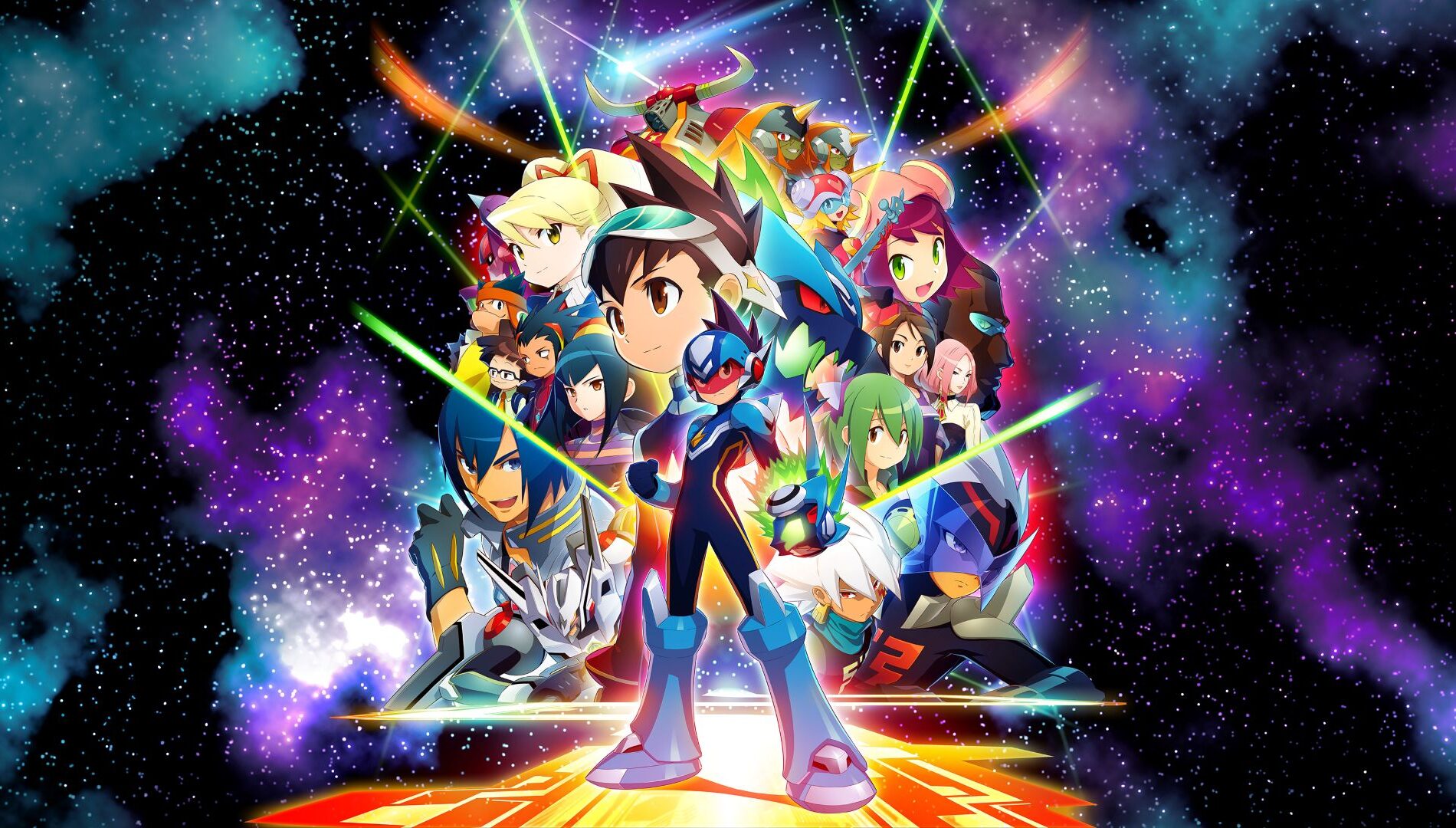
The Mega Man Star Force series, which expanded into an anime, is back in the Mega Man Star Force Legacy Collection! This collection includes seven games and additional features like a gallery of illustrations and music! Online play is also supported!
The following titles are included in the collection:
Mega Man Star Force Pegasus
Mega Man Star Force Leo
Mega Man Star Force Dragon
Mega Man Star Force 2 Zerker x Ninja
Mega Man Star Force 2 Zerker x Saurian
Mega Man Star Force 3 Black Ace
Mega Man Star Force 3 Red Joker
It is the year 220X, and the world has seen rapid advancements in Wave technology. Our protagonist, 11-year-old Geo Stelar, refuses to go to school as he mourns the disappearance of his astronaut father.
One night, Geo is at the observatory gazing at stars as he usually does. Suddenly, his Transer picks up a signal from space and he is hit with a powerful electric shock!
When he finally comes to, an alien with an electromagnetic wave body called Omega-Xis is standing over him…
Note: The toy link features found in the original versions are not supported.
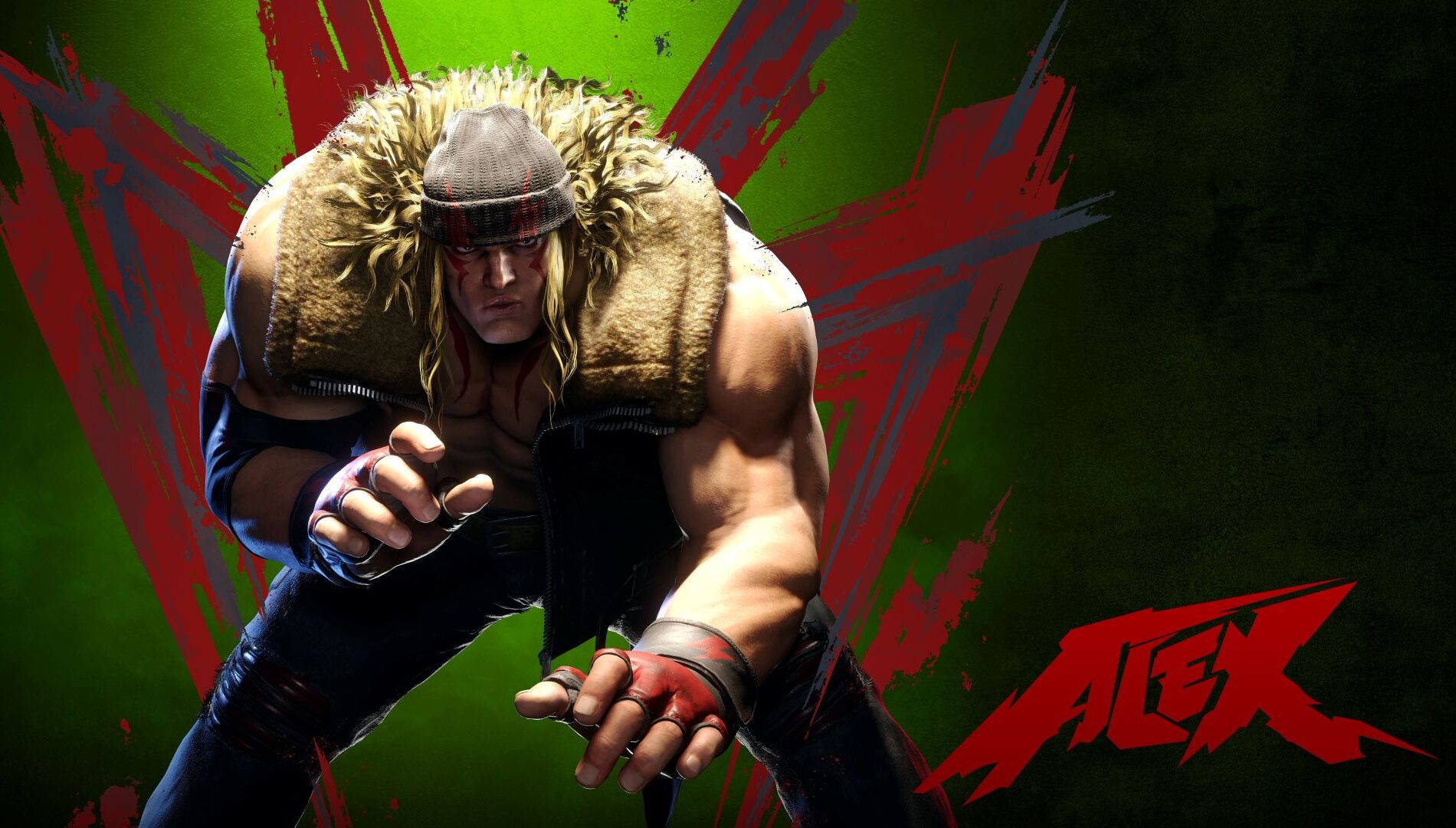
Alex Makes His Entrance in Street Fighter 6 on March 17!
The dark devil himself, Alex, steps into the ring as part of Street Fighter 6 Year 3 on March 17! Alex uses pro wrestling techniques, overpowering and overwhelming opponents both in and outside of the squared circle.
Motion capture for Alex was performed by the legendary pro wrestler, Kenny Omega, adding authentic touches to his walk-out sequences, Super Arts, and more! JAM Project also contributed an original track for Alex called “Go! Alex! Hope is Born! – Alex’s Theme”! In anticipation of Alex’s release, the Alex Arrives! Fighting Pass will bring exciting content across each game mode.
Finally, the swimsuit series of outfits continue with Outfit 4 for Dee Jay and Elena, also launching alongside Alex! Even though it might not be sunny weather, these two outfits are sure to heat things up.
Here comes Capcom’s newest challenger! Street Fighter 6 launches worldwide on June 2nd, 2023 and represents the next evolution of the series.
Powered by Capcom’s proprietary RE ENGINE, the Street Fighter 6 experience spans across three distinct game modes featuring World Tour, Fighting Ground and Battle Hub.
Diverse Roster of 18 Fighters
Play legendary masters and new fan favorites like Ryu, Chun-Li, Luke, Jamie, Kimberly and more in this latest edition with each character featuring striking new redesigns and exhilarating cinematic specials.
Dominate the Fighting Ground
Street Fighter 6 offers a highly evolved combat system with three control types – Classic, Modern and Dynamic – allowing you to quickly play to your skill level.
The new Real Time Commentary Feature adds all the hype of a competitive match as well as easy-to-understand explanations about your gameplay.
The Drive Gauge is a new system to manage your resources. Use it wisely in order to claim victory.
Explore the Streets in World Tour
Discover the meaning of strength in World Tour, an immersive, single-player story mode. Take your avatar and explore Metro City and beyond. Meet Masters who will take you under their wing and teach you their style and techniques.
Seek Rivals in the Battle Hub
The Battle Hub represents a core mode of Street Fighter 6 where players can gather and communicate, and become stronger together. Use the avatar you create in World Tour to check out cabinets on the Battle Hub floor and play against other players, or head over to the Game Center to enjoy some of Capcom’s classic arcade games.
Your path to becoming a World Warrior starts here.
Online Play
Capcom provides various online services for this game, including online-only content.
* Certain elements of this game cannot be accessed without an internet connection.
* A Capcom ID is required to use online-only content.
* For information on the services related to Capcom ID and how to use it, please visit the official Capcom ID website (https://cid.capcom.com/). Please note that there may be cases wherein use of Capcom ID is age-restricted.
* For online-only content, a separate paid membership service (Game Pass Core) is required.
* Capcom may temporarily suspend online services in the event of unforeseen circumstances.
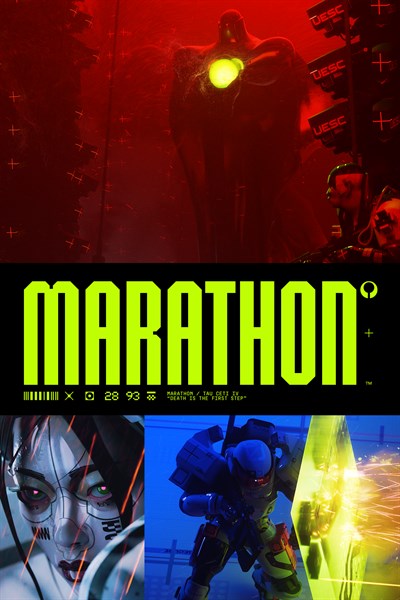
10 Tips To Help You Survive Your First Runs in Marathon, Available Today on Xbox Series X|S
Nikki Brown, Principal Communications Manager, Bungie
Summary
Enter the world of Marathon’s Tau Ceti IV, a planet full of rival Runners and hazardous environments.
Scavenge for valuables, experiment with different gear, and build uneasy alliances.
Marathonis available today via the Microsoft Store on Xbox Series X|S.
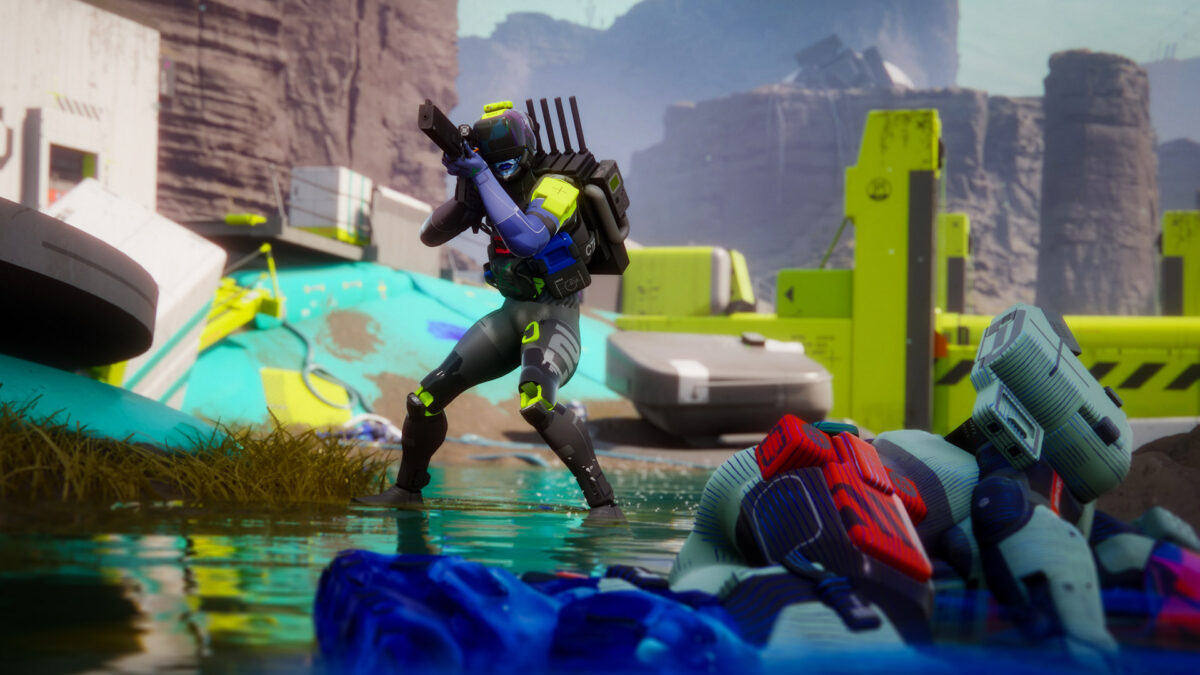
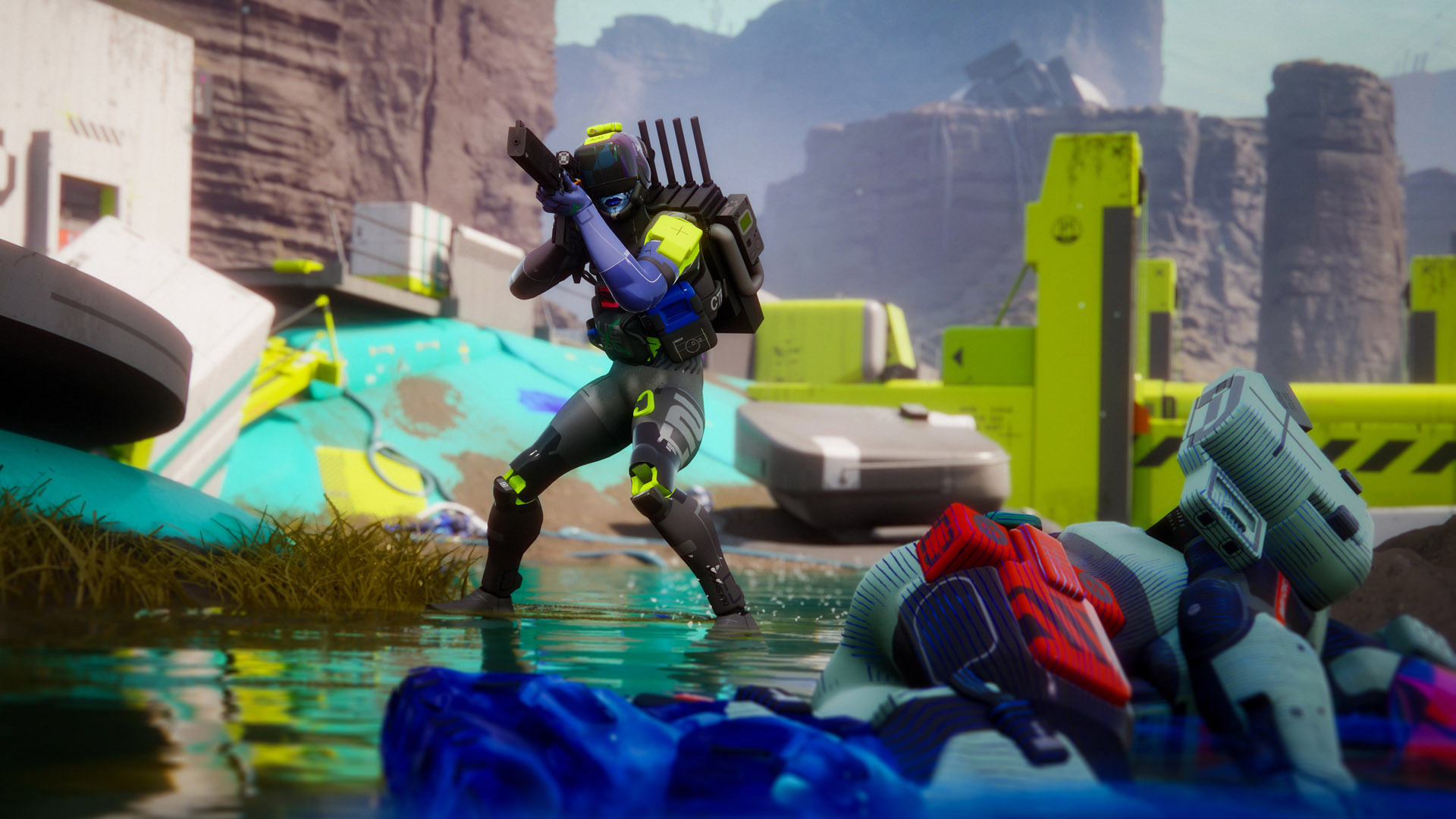
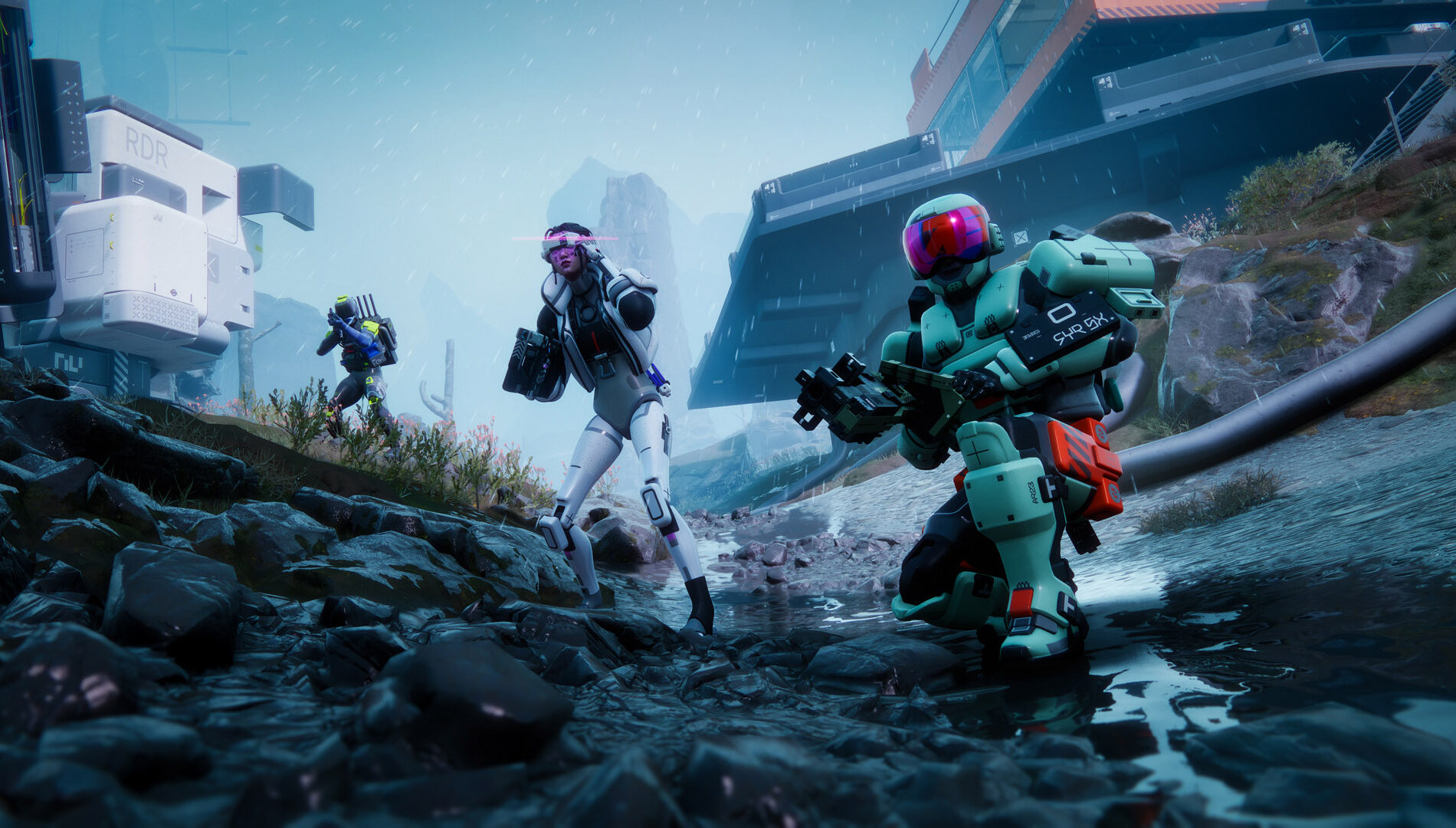
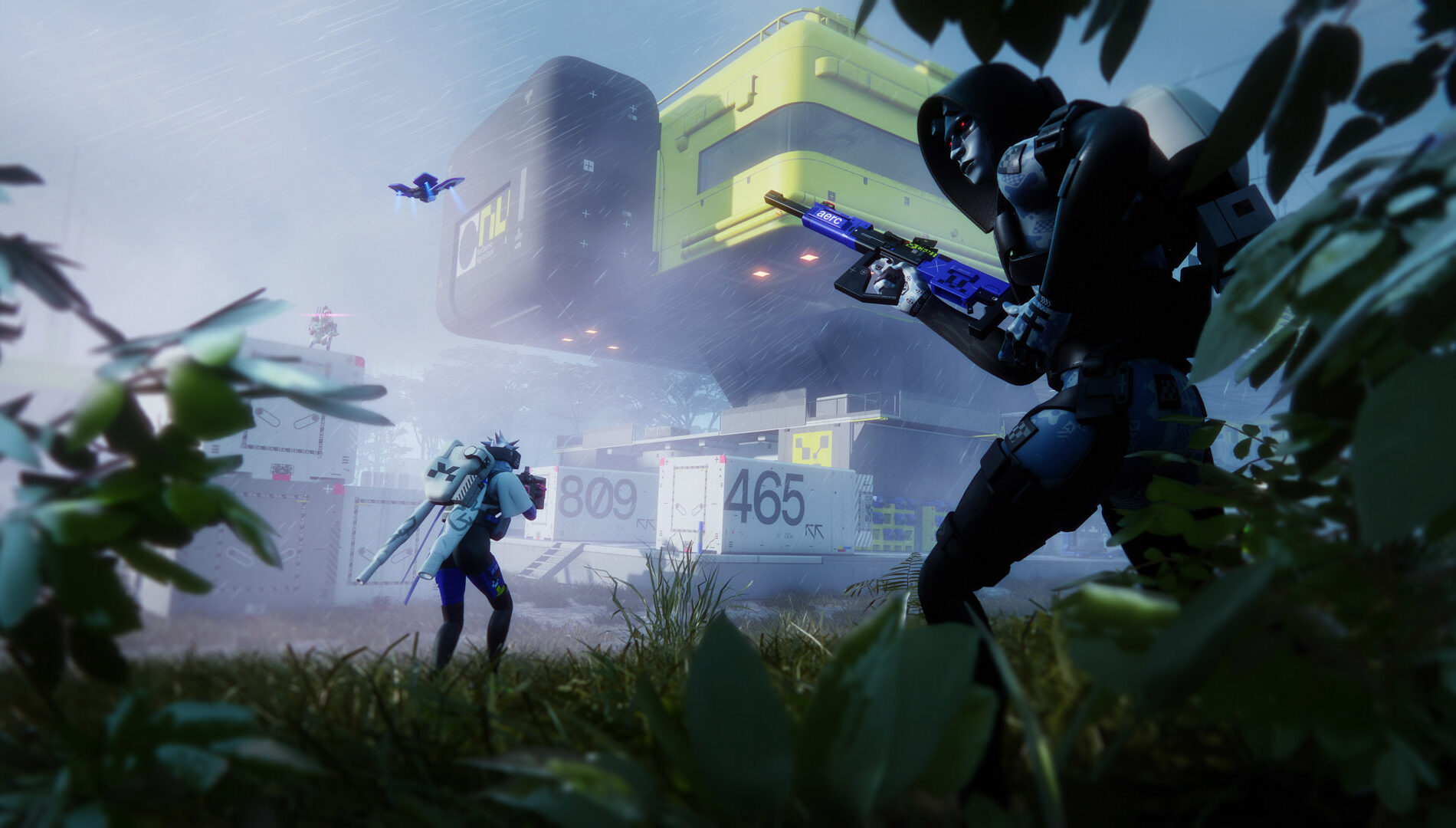
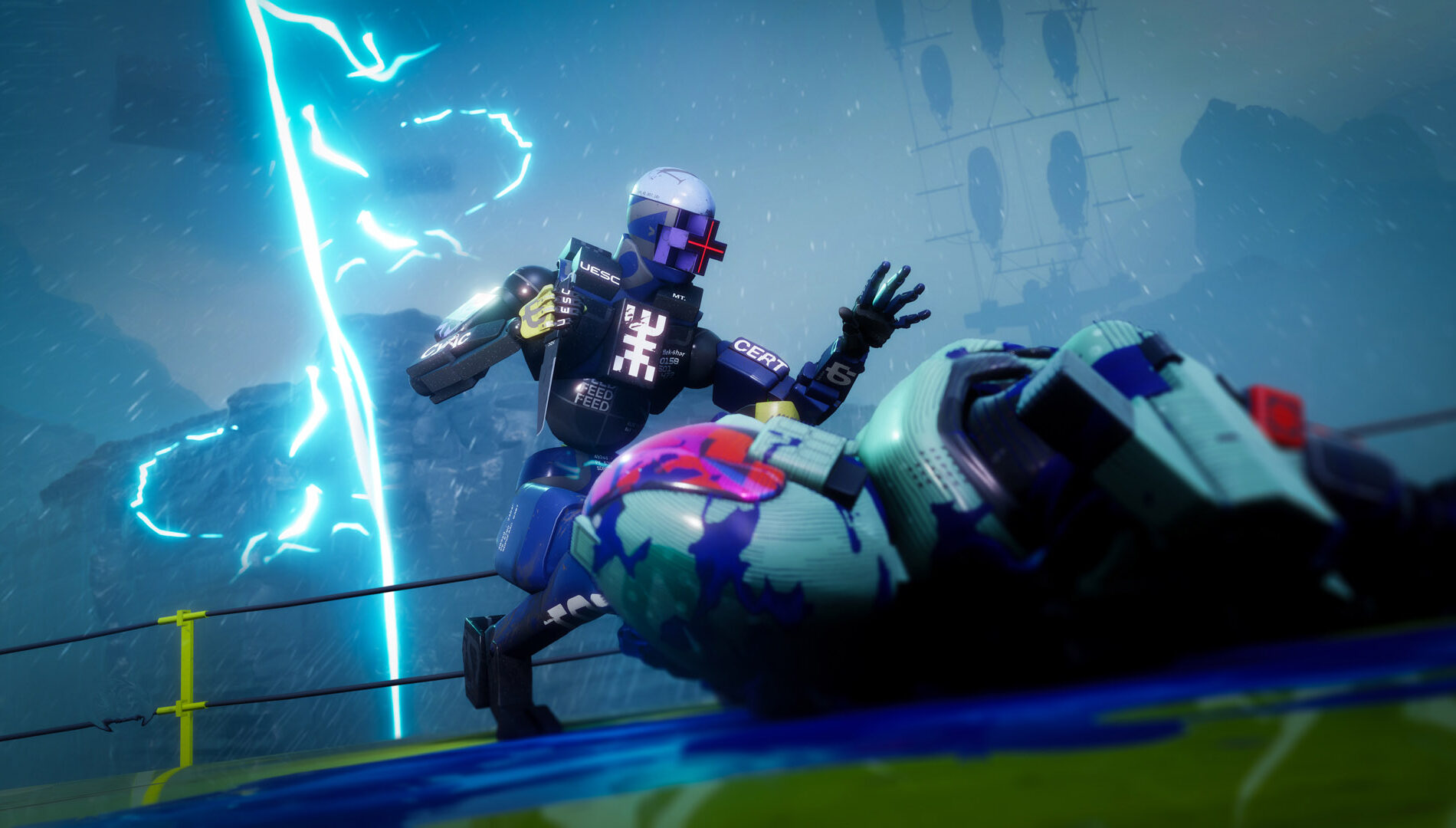
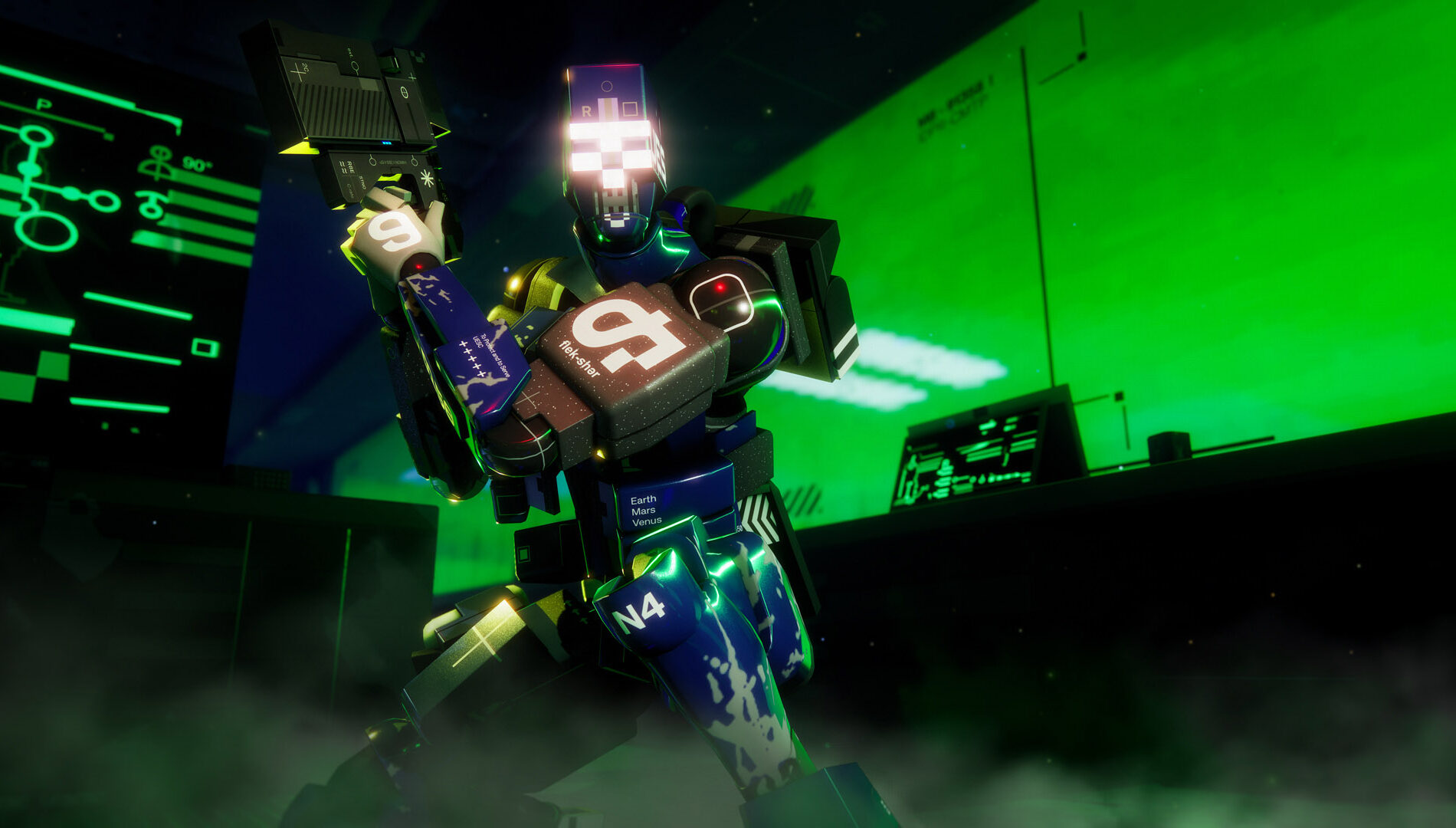
Starting today on Xbox Series X|S, you can begin scavenging the planet of Tau Ceti IV as a cybernetic mercenary in the new survival extraction shooter, Marathon.
From Bungie, the makers of Halo and Destiny, Marathon places you the shoes of a Runner where you can crew up, run solo, or make uneasy alliances as you battle enemy players, collect powerful loot, and experience Bungie’s signature gunplay.
Your goal is to exfil to advance your seasonal power, advance your contracts for rival faction groups, and assemble stronger builds with your stolen loot. Then put your gear back on the line to seek even greater fortunes in your next run. The ultimate challenge? The derelict Marathon ship hanging in orbit above, promising the best loot and answers to world’s mysteries… if you can survive.
Ready to touchdown on Tau Ceti? Use these tips to get ahead:
They Can Hear You Everything makes noise. Moving, looting, activating exfils, opening doors, using items, healing, swapping weapons, and of course shooting things. If you think you got killed out of nowhere, someone probably found you through the noise you were making.
…But You Can Hear Them Keep your ears open. You can often hear threats—or targets—before you see them.
Come Prepared Bring plenty of ammo and healing items; you aren’t going to find a lot of it mid-run. And remember: A better weapon is only an upgrade if you have bullets to shoot.
Plan Your Exit All the gear you’ve collected is lost if you don’t make it out alive. Check your map for active exfils — they’re your ticket off Tau Ceti with your hard-earned loot.
Fight or Flee? The best Runners know when to take the shot and when to walk away. You don’t need to shoot everything you see. Whether it’s a UESC combatant, wild fauna, or a rival Runner crew, use the information you’ve got before you pull the trigger.
Down on Your Luck? Play as Rook If you’re low on supplies, head on a scavenger run as Rook. You’ll drop into a match in-progress as a solo player. Sneak by enemy UESC units with your camouflage ability, then make it alive with your scavenged goods to replenish your gear and credits.
Progress Your Contracts and Unlock Bonus Stats You can hover over contracts on the map for information on how to find their objectives. But if you’re still learning, don’t rush them right away — playing slow can help you get your bearings and avoid conflicts with rival crews until you’re ready.
Built for Success Experiment with different Runner shells, body implants, and weapons — you can freely swap weapons, implants, and weapon mods both in and out of game. And something is always better than nothing, so if you’ve got an empty slot, slam whatever you find.
Uneasy Allies Build alliances with the Runner crews, solo players, and Rooks you meet on your runs. Just don’t let your guard down — you never know when your new friends might turn their sights on you.
Loot is a Means to an End Gear comes and goes. Don’t be too precious about it. Learn to use what you’ve got, and it will help you reach greater heights.
Runners are deploying now. Take your new knowledge and use it to get ahead of your opponents on your first runs in Marathon, available today on Xbox Series X|S. Tau Ceti awaits.
Infil into the dark sci-fi world of Tau Ceti IV: A derelict colony rife with rival Runners, hostile UESC security forces, and hazardous environments. As you scavenge its zones for valuables with a crew or alone, tense moments of exploration break into fast-paced PvP combat where gunplay is responsive, time to kill is low, and preparation is rewarded.
Exfil to advance your seasonal power, earn cosmetics for your achievements, and assemble stronger builds with your stolen loot. Then put your gear back on the line to seek even greater fortunes in your next run.
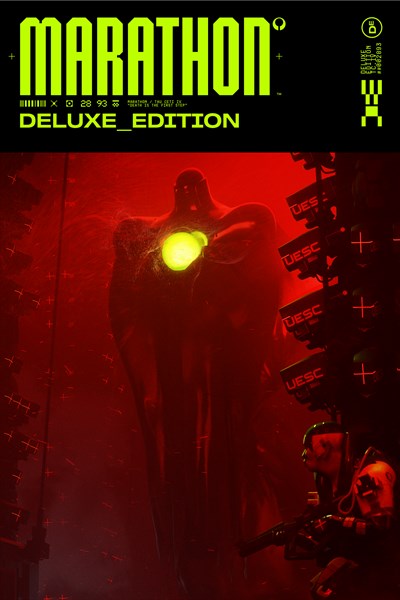
Pre-order Marathon and receive the following:
ZERO STEP 004 [CE Tactical Sidearm Style]
ZERO STEP RC [Weapon Charm]
ZERO STEP SHIFT [Weapon Sticker]
APOGEE INTERCEPT [Background]
APOGEE INTERCEPT [Emblem]
Plus the following Destiny 2 rewards linked to your Bungie.net account:
UESC Echo-type Shell Exotic Ghost
UESC Rover Exotic Ship
UESC Sprinter Exotic Sparrow
Hard drive storage requirements are subject to change. Requires broadband internet.
Access requires an Xbox Game Pass subscription (sold separately).
Marathon may contain flashing patterns and images that may produce adverse effects for a small percentage of people sensitive to them.
Bungie, Inc. makes no guarantee regarding the availability of online play or features and may modify or discontinue online services with reasonable notice at any time.
Using the software constitutes acceptance of the Software License Agreement available at www.bungie.net/sla.
Infil into the dark sci-fi world of Tau Ceti IV: A derelict colony rife with rival Runners, hostile UESC security forces, and hazardous environments. As you scavenge its zones for valuables with a crew or alone, tense moments of exploration break into fast-paced PvP combat where gunplay is responsive, time to kill is low, and preparation is rewarded.
Exfil to advance your seasonal power, earn cosmetics for your achievements, and assemble stronger builds with your stolen loot. Then put your gear back on the line to seek even greater fortunes in your next run.
A GRAVEYARD OF POSSIBILITIES
Trespass across deserted research facilities, rugged landscapes, and security outposts holding the remnants of a vanished expedition, yours to salvage. Tau Ceti threatens death at every turn with unique enemies, dynamic events, and environmental hazards. Each zone escalates in difficulty, preparing you for the UESC Marathon locked in the heavens.
POWERFUL. CONFIGURABLE. EXPENDABLE.
Six equippable Runner shells offer diverse playstyle foundations to build upon, like Destroyer, Recon, and Thief. Scavenge an arsenal of moddable weapons, body implants, and core system upgrades to craft countless builds. Strategize as a crew each run to form comps that maximize your combined strengths, shaping the way you approach fights and objectives.
ENEMIES EVERYWHERE
Face the unknown as a crew of two or three, or alone in solo lobbies. Or sneak into in-progress crew lobbies as Rook, a lone scavenger with no starting gear and nothing to lose. Forge uneasy alliances with rival Runners in prox chat to defeat mutual foes, but remember your new allies might revert to enemies just as quickly. Be merciless in combat: A lone survivor can reboot their crew, even from death.
Later in Season 1, compete in Rated mode to measure your skill and build a name for yourself.
INFLUENCE IS POWER
Liaise with six competing factions, each offering lucrative incentives to advance their foothold on Tau Ceti. Completing faction contracts grows your baseline power via season-long unlocks like Runner shell upgrades, stronger starting loadouts, expanded vault space, and specialized wares on offer for spare loot.
DEFRAGMENT THE TRUTH
No one knows what happened a century ago when the Marathon expedition went dark. As a trespasser into UESC territory, you are uniquely positioned to piece the story together. Unearth the skeletons of Tau Ceti’s past as you run deeper into the colony.
DEATH HANGS ABOVE
Once the way into orbit unlocks, bring your endgame build to Cryo Archive, the first floor of the UESC Marathon. Solve raid-like security measures to unseal frozen vaults and pillage the artifacts within. Every cramped corridor forces you into conflict with fully-geared enemy crews racing for the same prize. Breach the seventh vault to challenge an entity even the UESC fears.
Pre-order Marathon and receive the following:
ZERO STEP 004 [CE Tactical Sidearm Style]
ZERO STEP RC [Weapon Charm]
ZERO STEP SHIFT [Weapon Sticker]
APOGEE INTERCEPT [Background]
APOGEE INTERCEPT [Emblem]
Plus the following Destiny 2 rewards linked to your Bungie.net account:
UESC Echo-type Shell Exotic Ghost
UESC Rover Exotic Ship
UESC Sprinter Exotic Sparrow
Hard drive storage requirements are subject to change. Requires broadband internet.
Access requires an Xbox Game Pass subscription (sold separately).
Marathon may contain flashing patterns and images that may produce adverse effects for a small percentage of people sensitive to them.
Bungie, Inc. makes no guarantee regarding the availability of online play or features and may modify or discontinue online services with reasonable notice at any time.
Using the software constitutes acceptance of the Software License Agreement available at www.bungie.net/sla.
Messy Up: Unleash Pet Chaos on Xbox & Windows with Couch Co-op Fun
He Qian, Game Creator, Liquid Meow Games
Hey pet pals and mischief-makers! (Θ3Θ)
We’re Liquid Meow Games— a small team of students who turned our love for playful chaos into a game. We’re so excited to finally bring Messy Up to Xbox Series X|S, Xbox One, and Windows Store, complete with Xbox Play Anywhere support!
The Story Behind the Mess
Every game has a beginning, and ours started in a rather chaotic way—just like the game itself.
It all began with 72 hours and a Game Jam.
Back in 2021, I gathered a small crew of four or five teammates for a Game Jam. 72 hours of caffeine, crunch, and pure creative madness. The result? A rough but lovable prototype we called Messy Up. To our surprise, it won Best Technology Award.
The inspiration? Pretty simple actually. Most of us grew up with pets—a hyper Husky who saw couches as chew toys, a cat who believed gravity was the enemy of anything left on tables. We thought: What if we turned that daily chaos into a game? And here we are.
From 2D Pixels to 3D Furballs
After the Game Jam, I couldn’t let go of this little idea. So, we spent the next six months—nights, weekends, every spare minute—rebuilding everything from 2D into full 3D. New characters, richer environments, more ways to wreck the house.
Then something unexpected happened. We shared a short gameplay video online, just to see if anyone else thought this was as fun as we did. Overnight, it hit over a million views across platforms. People actually wanted to play as naughty pets.
That support kept us going. Along the way, the 3D version went on to receive multiple awards from major game competitions—a huge encouragement for a tiny team just starting out.
And Now, the Moment we’ve Been Waiting for
Today, we’re beyond excited to bring Messy Up to Xbox players everywhere. After years of dreaming, prototyping, and playtesting on couches just like yours, our little pet chaos simulator is finally landing on Xbox Series X|S, Xbox One, and Windows Store—with full Xbox Play Anywhere support, so you can take your mess wherever you go.
Whether you’re teaming up with friends on the couch or playing solo with AI companions, we can’t wait for you to meet this furry crew and start your own happy chaos.
Tips from Me (Read These, Seriously)
Don’t just rush in. Learn to dodge. And your teammates aren’t just there for emotional support—they’re great at taking the heat for you.
Tired of wrecking? Try the parkour challenges. Stuck in the story? Hop into Arcade Mode and just vibe.
Playing solo? AI teammates have your back. And wait until you unlock the beach, the castle, the office—each level has its own tricks.
Use props. Use the debris. Use anything to block the Owner.
Different pets, different playstyles. Unlock them all.
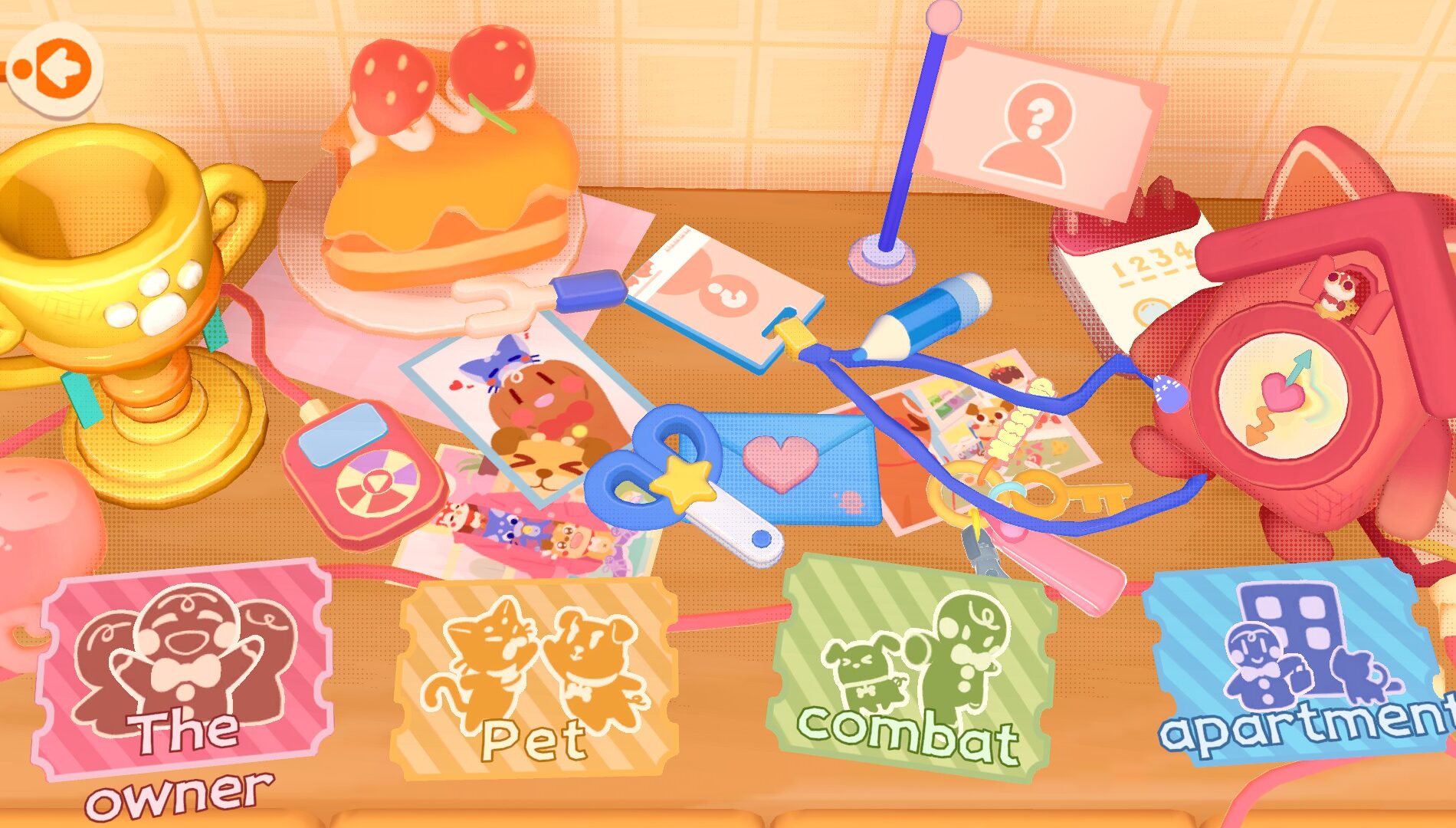
Those little rewards—photos, flags, trophies, certificates—they’re not just clutter. You can actually use them to decorate.
And yes, you can build your own home.
I made this game with a lot of laughs and even more love for fluffy troublemakers. Whether you’re here for the couch co-op chaos, the creative building, or just to live out your inner mischief-maker—I hope Messy Upbrings you and your friends some good silly memories.
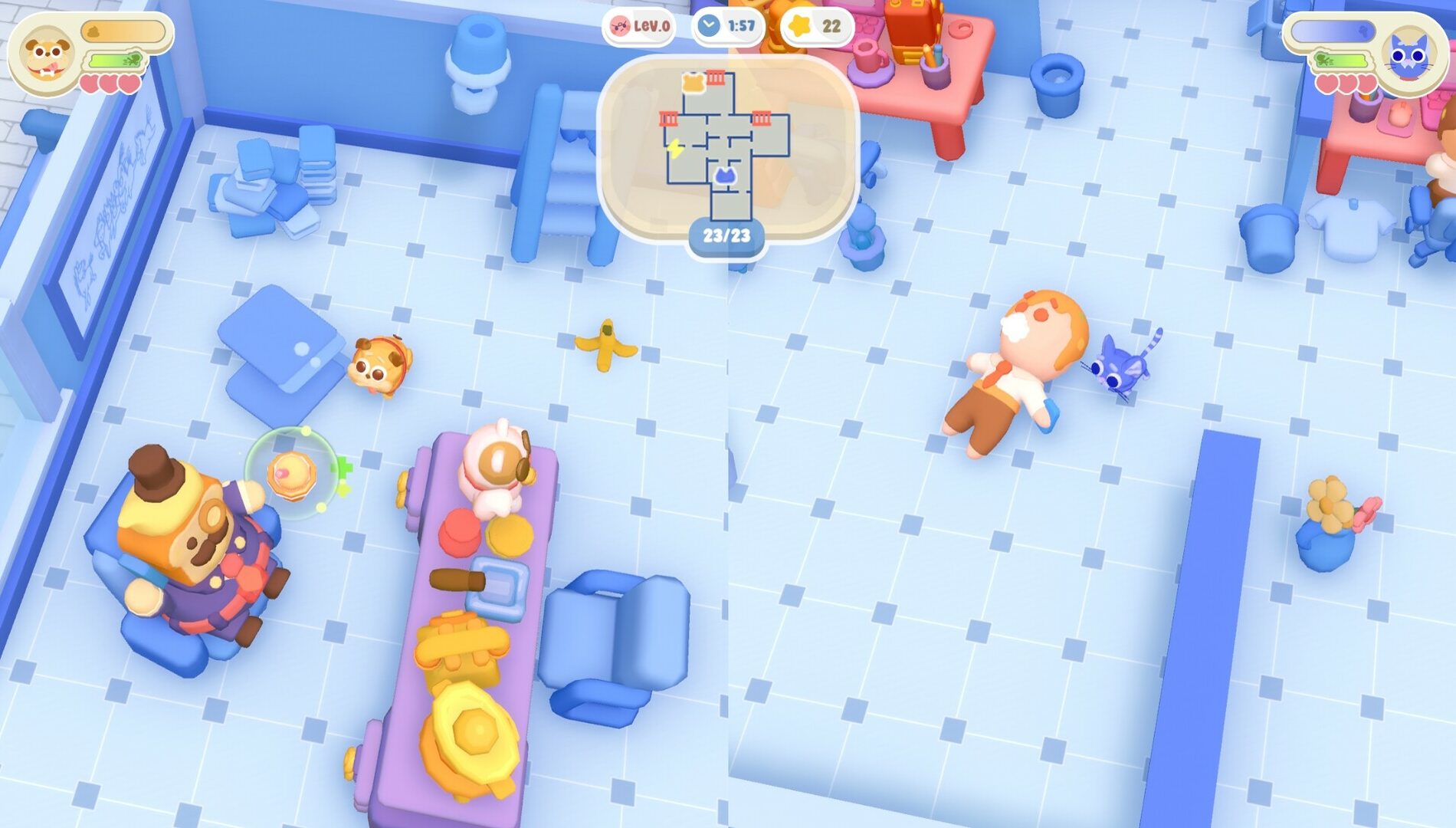
“Messy UP” is a cute pet collaboration game featuring cats and dogs~
Due to the owner’s busy life after graduation and starting work, there is less time to spend with the pets. The pets plan to create a big mess at home to grab the owner’s attention and encourage them to spend more time together. After all, what mischief could a little dog possibly have in mind?
[Crazy home destruction!
Cooperative multiplayer!]
Take on the role of cats and dogs and go wild, wreaking havoc at home! Each pet possesses unique abilities and skills, with various types of pets waiting for you to explore~
When other pet companions are caught, you can go to rescue them~
Either cause mayhem alone or collaborate with friends to create trouble for the owner. Up to three players can cooperate in dismantling the house.
Play as either the owner or a pet, deciding whether to demolish or defend the furniture and lock up the mischievous pets.
[Rich game mechanics!
Numerous maps!]
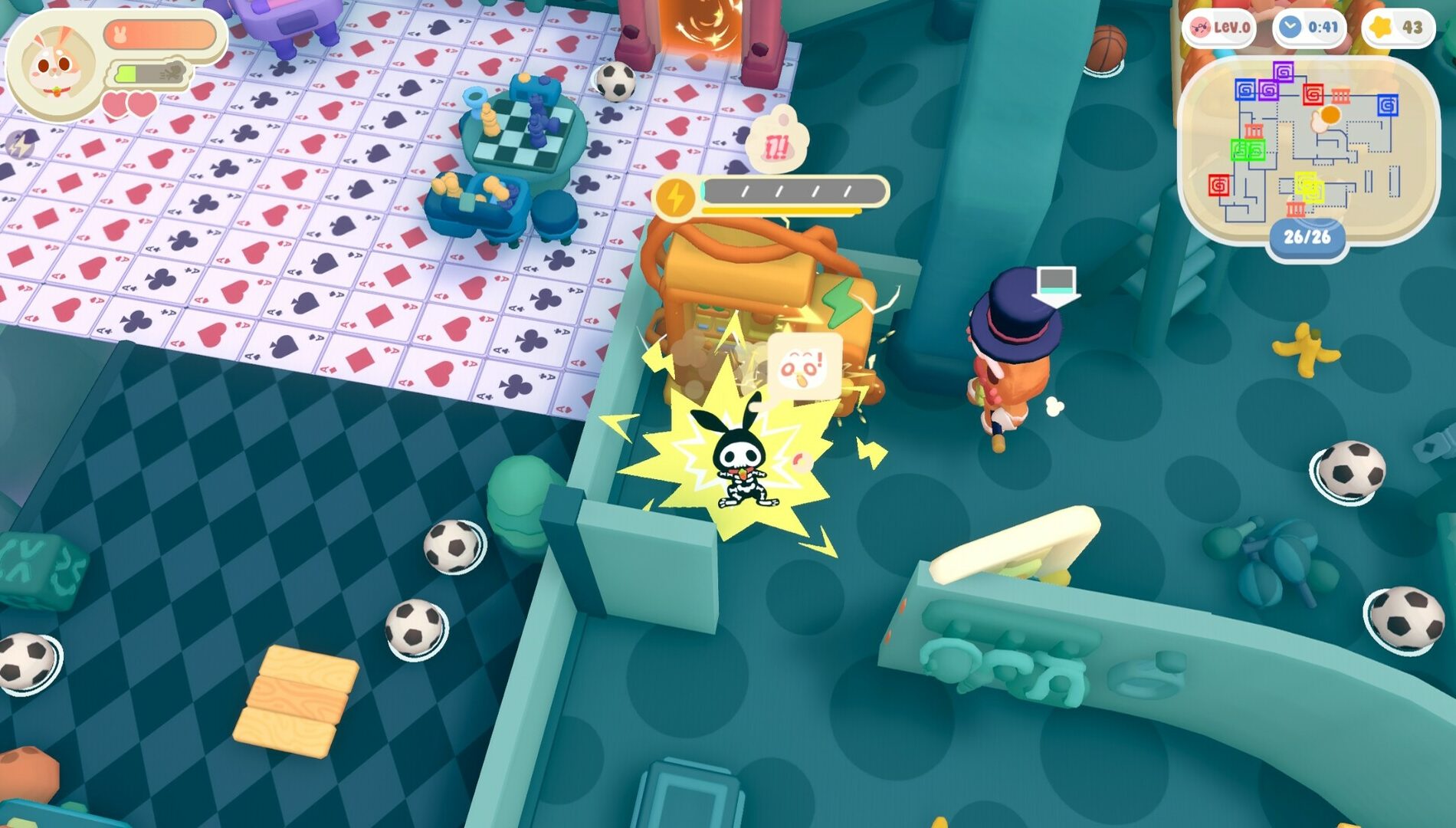
Utilize various mechanisms to dismantle and destroy homes. Fans, soccer balls, doors, takeout food—everything around you can become your tool of destruction!
Whether it’s at home, on the beach, at the office, or in a castle, any place can become the target of the pets’ demolition!
[Abundant pets!
Extensive collection!]
Gather a group of adorable pet companions, each with their own distinct personalities that can be freely customized~
Collect photos, qualifications, prizes, keychains, and various unique and cute rewards await you~
Start Your Engines: EA Sports F1 25 is now on EA Play
Juliet Niczewicz, Senior Director, Corporate Communications, EA
Members get unlimited access to the base game, plus dozens more titles in The Play List, and a monthly 5,000 XP Boost.
Take on the world of racing in EA Sports F1 25, now available for EA Play members to access whenever they want.
EA Sports F1 25 is now on The Play List. Play with EA Play, available on Xbox Play Anywhere, Xbox PC Game Pass, or Ultimate.
Members can also grab this month’s 5,000 XP Boost, available until March 31.
Strap into the driver’s seat today before the 2026 season starts.
Write your own legendary racing story, lead your team, and explore new modes in the official video game of the 2025 FIA Formula One World Championship.
Take on the third chapter of Braking Point, where the legacy of Konnersport hangs in the balance as you and your team race for a spot in the World Championship.
Design your own liveries with customizable driver numbers and logos. Then show them off in newly updated, laser-scanned Grand Prix circuits.
March Member Rewards
Apex Legends
Pick up the Gold Copilot Weapon Charm, available until March 30
EA Sports F1 25
Get a 5,000 XP Boost, good for unlocking tiers of the Podium Pass, available until March 31
EA Sports FC 26
Play Clubs mode by March 12 to grab a special membership reward that’ll help you compete in style
Compete for rewards with a Football Ultimate Team Draft Token, available in Ultimate Team from March 12 – April 23
EA Sports Madden NFL 26
Keep building your dream team with a Madden Ultimate Team EA Play March Pack available until March 31
EA Sports NHL 26
Score 2 Season Pass Multiplier Tokens & 3,000 CHEL Coins by March 12
Show out on the ice with Season 4 WOC Battle Pass XP Modifier & CHEL Coins available from March 12 – May 7
Battlefield 6
Equip yourself with the Season 2 EA Play Pack, available until May 11
Deck out your soldiers before the fight when you claim your EA Play Deployment Pack
To learn more about EA Play, check out X and Instagram, or visit here. For more details on all the EA Play member benefits this month, visit the EA Play Member Benefits site. Conditions, limitations and exclusions apply. See EA Play Terms for details. Members can experience the world of EA with unlimited access to a collection of top titles, trials of select new games, in-game member rewards, 10% on EA digital purchases and more.
Indie Selects for March 2025: Fresh Contrasts for a New Season
Amy Connors, Oscar Polanco, Raymond Estrada, Keith Muelas, Deron Mann – ID@Xbox Spring Cleaning Crew
Every Wednesday, dive into the Indie Select Hub — your gateway to a fresh, curated indie collection plus four themed spotlights that rotate weekly! You can always find this collection hub in the Xbox Store and on Xbox.com/IndieSelects.
As we step into spring, this lineup is all about fresh contrasts—bright blooms and deep shadows, cozy comfort and adrenaline spikes. Dive into an ultra-violent sci‑fi third-person action adventure, then slow the pace with an action RPG that’s equally at home in a warm, cozy sim loop. Take a detour into darkly funny criminal commerce with a money-laundering sim where you literally wash cash, then brace for an FMV psychological-horror interactive movie steeped in centuries-old Black Forest tales of vengeful spirits. From there, plunge into a gripping first-person horror/action journey through a nightmarish reimagining of Spain, and finally reset your senses with a first-person puzzle experience built around painting, color-mixing, and seeing the world in a whole new light. Here’s what we’ve got for you this month (in no particular order):
Goichi Suda, known by his alias Suda51, returns with Romeo is a Dead Man, a bold new entry in an already impressive catalog that includes No More Heroes, Lollipop Chainsaw, Killer7, and many other cult classics. From the opening moments, you immediately recognize his signature style: the mad-genius energy, the fever-dream surrealism, and the genre-blending chaos that makes you question your own sanity while remaining completely captivated.
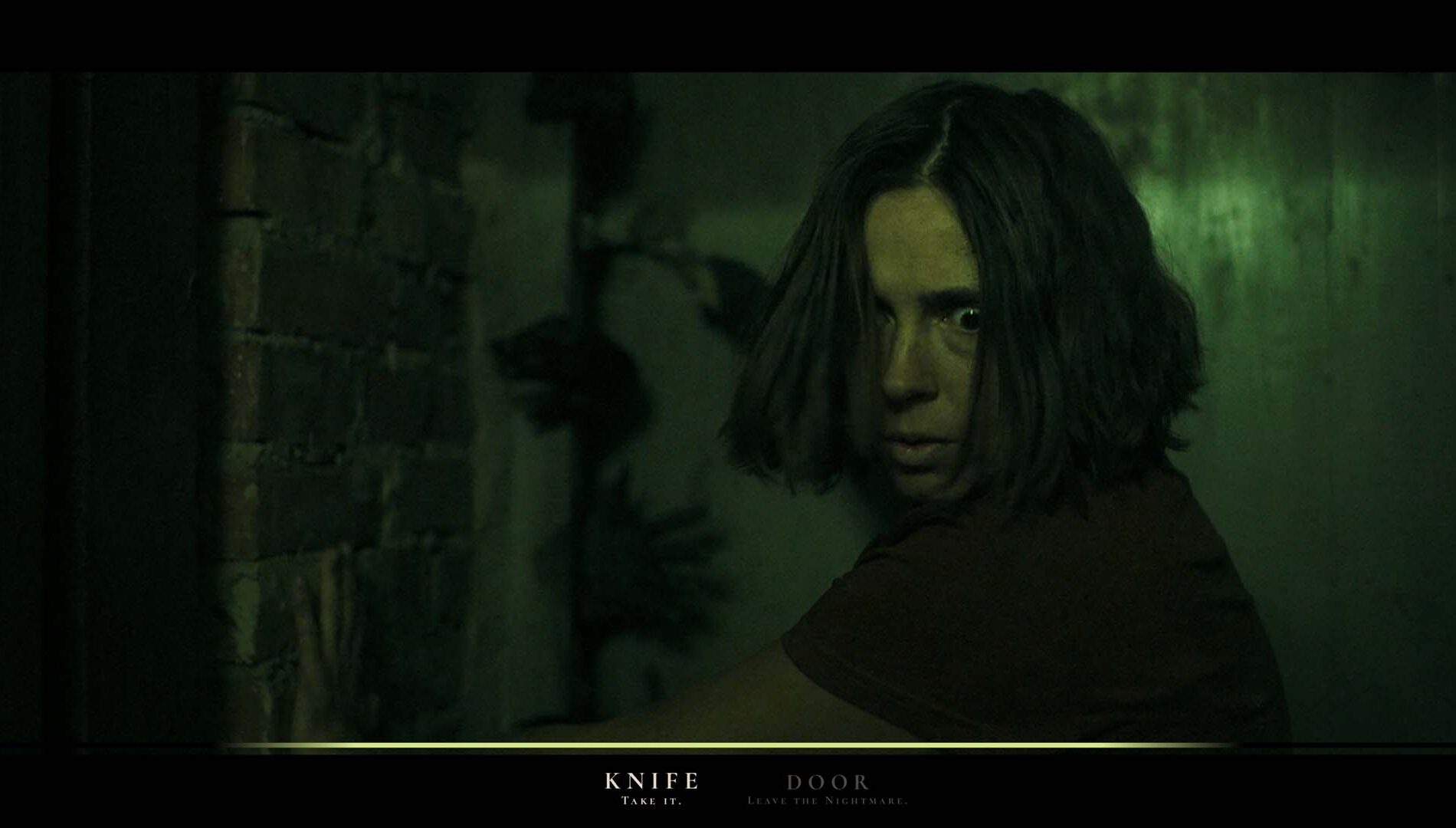
The game wastes no time. You are thrown straight into the action as Romeo Stargazer, a sheriff’s deputy responding to a routine call. Romeo is attacked by a mysterious creature, left for dead, then resurrected and recruited into the FBI’s Temporal Task Force by his multiverse-traveling grandfather. It is absurd, dramatic, and perfectly on brand.
Combat is fast, aggressive, and built around spectacle. Fluid combos chain together seamlessly, finishing moves are satisfyingly over-the-top, and boss encounters that stand out as some of the game’s strongest moments. These set pieces prioritize theatrical excess over strategy, leaning fully into style and momentum.
This is a niche game by design. It is unapologetically strange and will resonate most with players who value creativity, boldness, and sharp stylistic shifts. Romeo is a Dead Man is unmistakably a Suda51 creation, and as your time-traveling, multiverse-hopping grandpa wisely puts it: don’t think too hard, just feel the vibes.
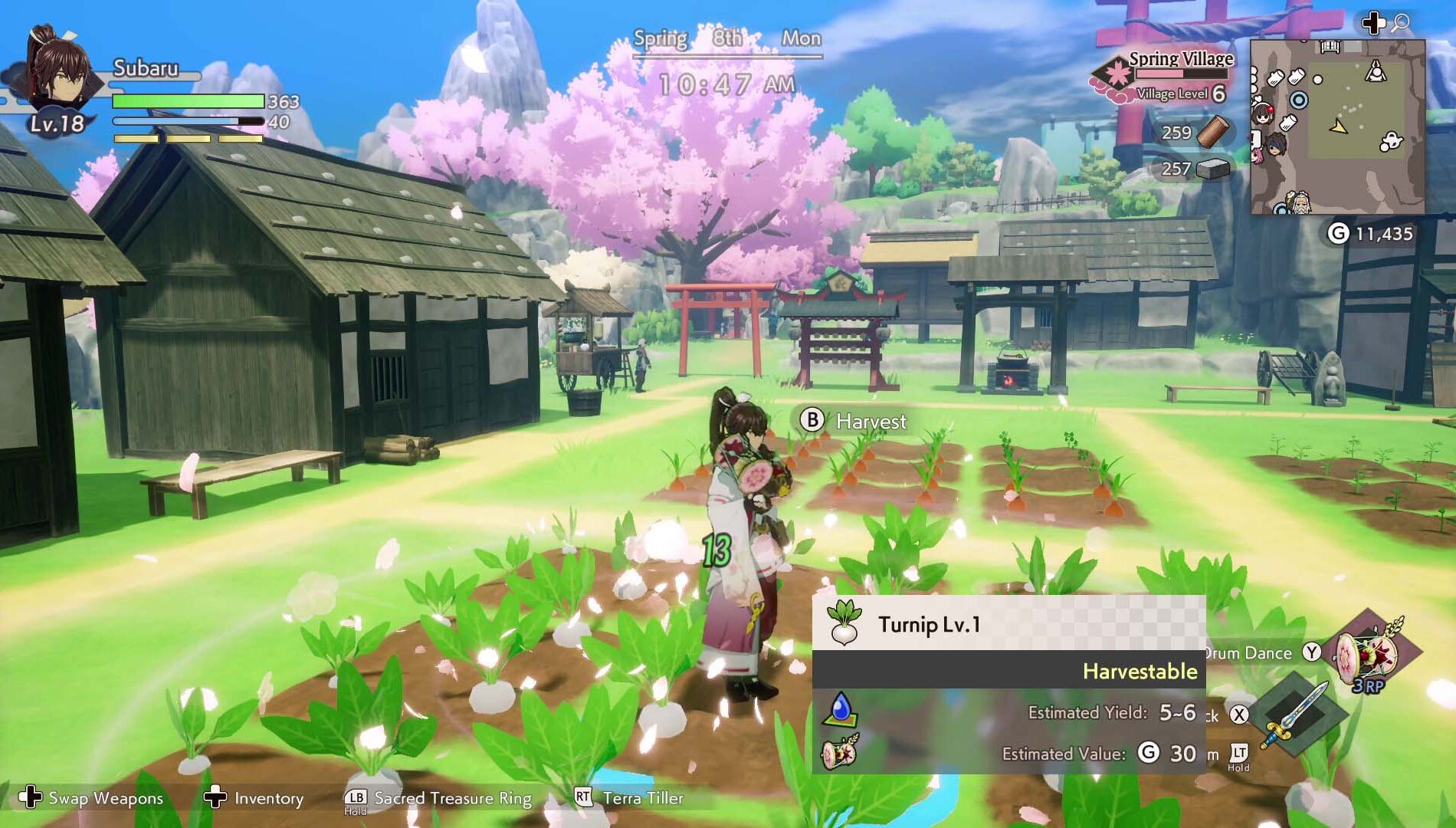
This is the game I never knew I always wanted. I missed the Rune Factory and Harvest Moon series (please don’t take my gamer card), but I’ve always loved life sims and consider myself a die‑hard action‑RPG fan. As I get older, I’ve come to appreciate the calm joy of farming while still craving the rush of slick, skill‑based combat. Rune Factory: Guardians of Azuma nails that balance. It blends both genres with charm, voiced characters, a strong story, and a fantastic soundtrack. As a spin‑off of the Rune Factory series and by extension Story of Seasons, it’s also a perfect entry point for newcomers.
You play as an Earth Dancer tasked with restoring Azuma, a land devastated by a cataclysm and the creeping Blight. You’ll rebuild villages, construct buildings, and attract new residents, all wrapped in gorgeous Japanese‑inspired visuals and music. Instead of one farm, you juggle four seasonal villages — Spring, Summer, Autumn, and Winter — each permanent and distinct. Thankfully, intuitive farming and building systems keep everything fun rather than overwhelming.
Strong character relationships (and romances) tie into combat, letting allies fight alongside you. And that combat? Smooth, responsive, and full of satisfying dodges, specials, and weapon‑tools called sacred treasures that double as farming gear. This game has so many core loops that interlock beautifully. There’s so much to boast about and I haven’t even touched on the progressive skill trees or various sky islands.
Dozens of hours in, I can already see how easily this could grow into a 100‑hour adventure. With its dense mechanics and constant variety, it reminds me of the first time I played Yakuza: Like a Dragon as it’s absolutely packed with content and proficient in everything it does. If you want a rich, varied experience that rewards long‑term play, this one’s an easy must‑have.
Simulator games keep widening their delightfully absurd horizons, and I’m endlessly drawn to them like a moth to a neon sign. Give me a bizarre premise fueled by peak‑efficiency goals, and I’m in. Cash Cleaner Simulator plunges you into piles of dirty money, turning what would be a seedy, monotonous job into something sillier, more whimsical, and wonderfully literal. Like any good sim, completing task after task pulls you into a zen‑like rhythm until you suddenly wonder, “Wait… how long have I been playing?”
Each delivery, dropped unceremoniously from a chute in the ceiling, brings something new. Sometimes it’s supplies, but usually it’s cash in bags, boxes, or old mattresses. Your job: collect it, spot issues like dirt, blood, or counterfeits, and get it sorted. Jobs come through an in‑game app outlining how clean the money must be, how to repackage it, and any strict requirements. Some contracts are so precise that tiny errors can sink the whole task. As you progress, new challenges like multiple currencies, marked bills, dye packs, and gold bars push you to buy better tools and scale up.
Early earnings are slow, especially if you’re trying to pay off the million‑dollar debt hanging over you, but the game’s quirky, lighthearted tone helps smooth that grind. At its core, Cash Cleaner Simulator is a casual, almost cozy experience that lets you clean cash for criminals at your own pace. It’s weirdly funny, repetitive in a good way, and unexpectedly relaxing. Perfect for anyone wanting a laid‑back game with a delightfully absurd twist.
Scenario: You’re on your couch, watching a horror movie, and the desire to tell one of the main characters what to do is overwhelming. You know how this feels. Heart of the Forest takes this situation, but right as the crucial deciding moments occur, you’re in control!
Heart of the Forest is a full-motion video (FMV) game that inserts you right into the middle of a horror movie, making decisions on behalf of a group of students who have set off on a hike through the Black Forest. From the get-go you witness eerie events happening in the surrounding areas, while knowing that things are only going to get worse for the unsuspecting crew. This is a game where you need to make choices with the priority of keeping people safe as events cause this hike to go downhill… and not in a good way.
Your choices directly affect the story and literally change the movie you are interacting with. With this being a beautifully filmed game, the story is a little over 2.5 hours, but the desire to go back and change the course of events by making alternate decisions will be immense. Experience this psychological horror through the lens of 4 students, horrified at what is happening to each of them, while having a direct influence on their actions.
If you’ve never played an FMV game, but enjoyed “Black Mirror: Bandersnatch,” you’ll be right at home with this narrative-based game built around needing to survive in a horror setting.
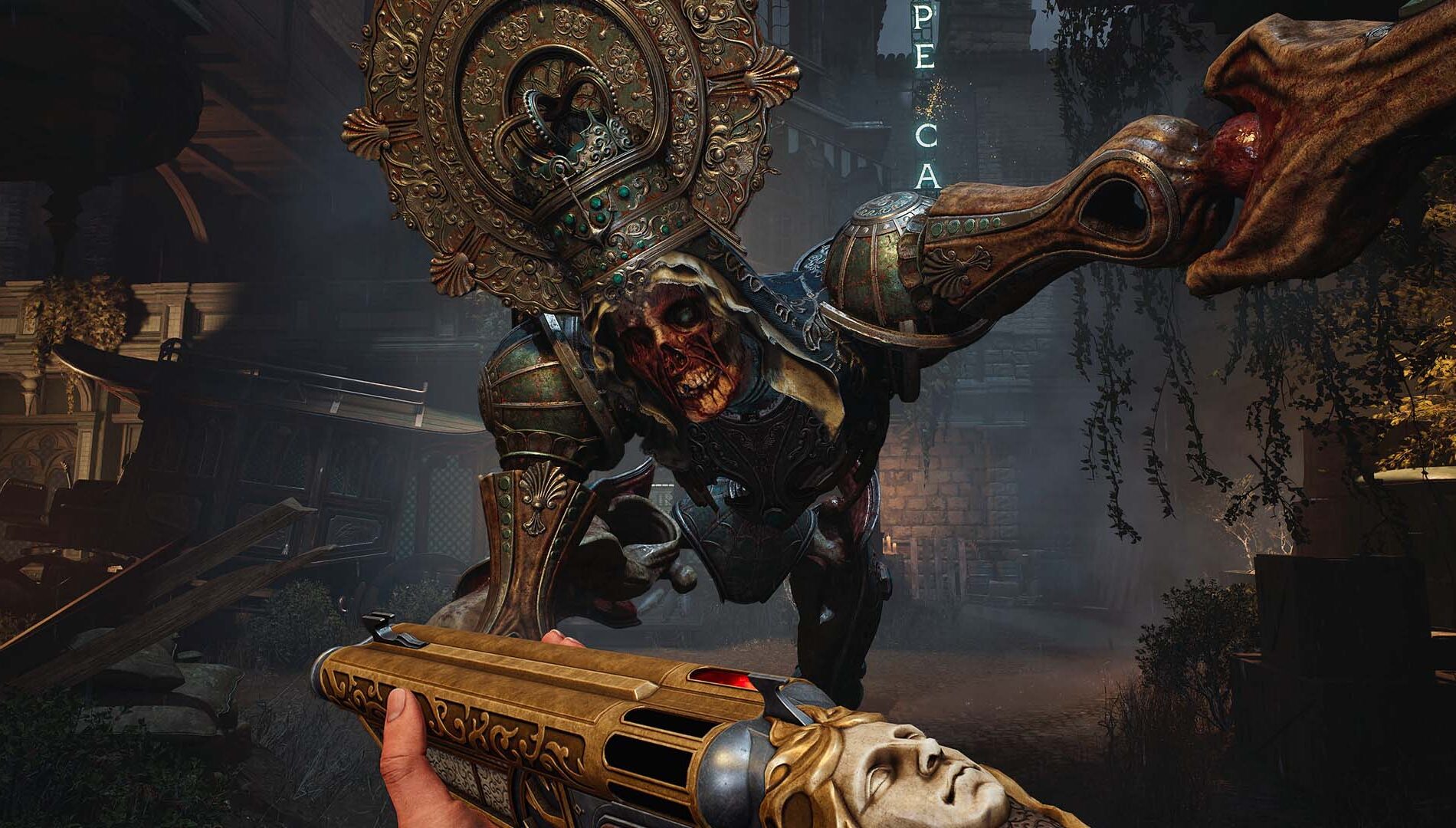
Crisol: Theater of Idols is a first-person survival horror game set in Hispania, a unique and frankly, unsettling fictional take on Spain. Players wash ashore in Tormentosa as Gabriel, a soldier sent on a divine mission from the Sun God. Armed with blood-fueled weaponry, you navigate varied environments, fight puppet-like statues, and solve puzzles while unraveling the mysteries of the island, the Sun God, and how Gabriel became so deeply entangled in all of it.
Using blood for ammo is such a wild idea — but man, does it work. Traditional survival horror relies on ammo scarcity to create tension and helplessness. In Crisol, that concept is amplified. Health and ammunition become one shared resource. It’s not just about conserving bullets — it’s about deciding whether you can afford to shoot at all. The game offers quick healing kits called Plasmarine, along with the ability to absorb blood from animal corpses (gross!). Combat revolves around this system, but it also serves as a clever world-design tool, tying progression, narrative beats, and puzzle-solving directly into the core mechanic.
As you explore, you’ll find a beautifully crafted, Spanish-inspired world that looks fantastic in 4K. I’ve always loved old-world Spanish architecture, and the game showcases a strong variety of distinct areas for players to sink their teeth into. The presentation is sharp, the gameplay is immersive, and progression through weapons, abilities and passive upgrades feel meaningful. And then there’s Dolores. I’ll leave that for you to experience firsthand, but I’m confident the 11-year-old version of me wouldn’t have slept after seeing her — or practically any of the enemies in this game. If you enjoy modern survival horror that leans heavily into tension, atmosphere, and storytelling, Crisol: Theater of Idols is absolutely worth a shot.
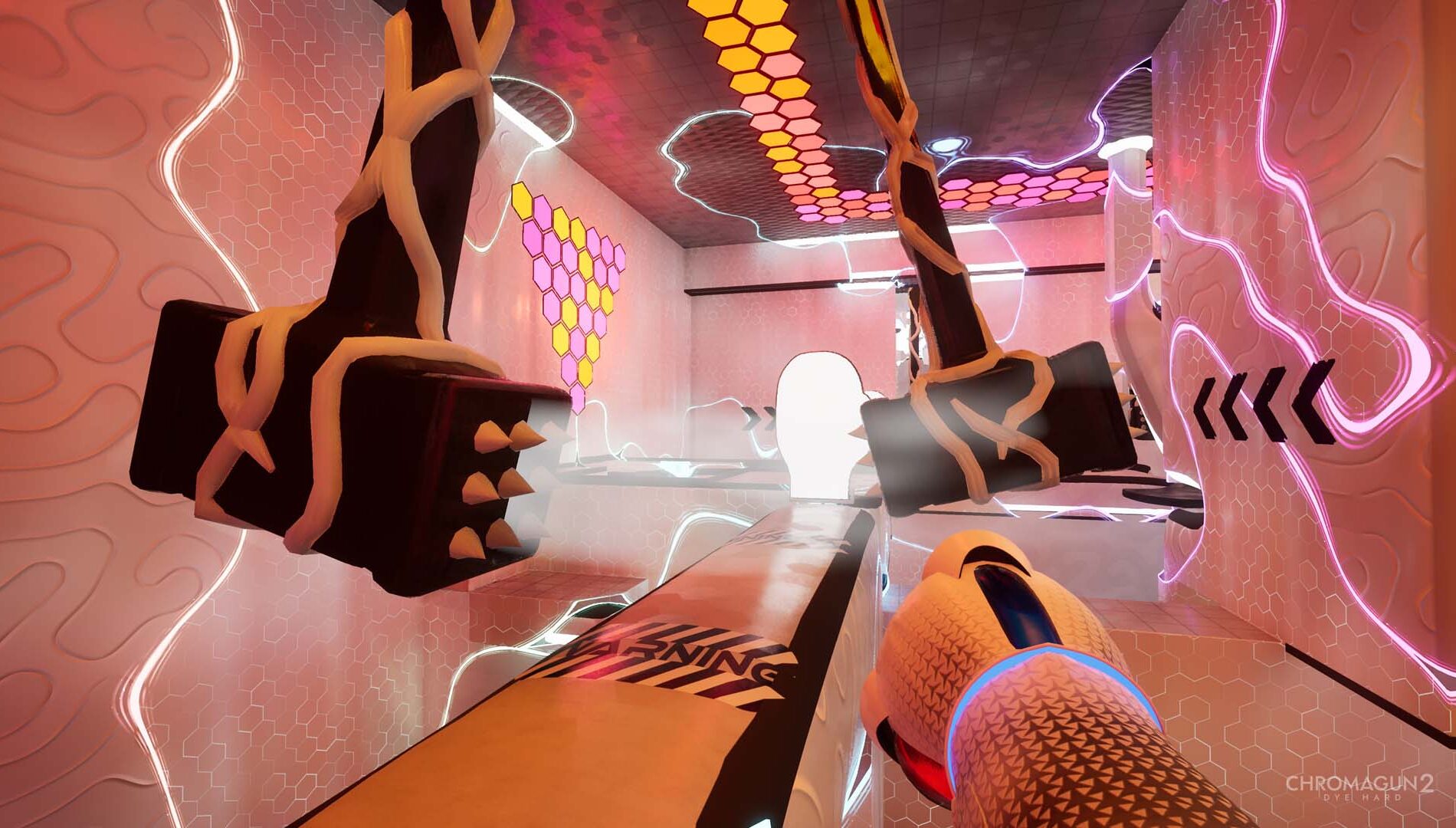
Indie puzzle games have spent two decades riffing on the Portal formula, with many finding real success. One standout was ChromaGun, a first‑person puzzle‑shooter built on paint mechanics and clever color‑mixing. Its strong reception has now paved the way for a sequel, ChromaGun 2: Dye Hard, which picks up immediately after the original in comedic fashion. Once again, you find yourself tricked and trapped inside the testing facility, roped into yet another round of “scientific” experimentation.
What really sets ChromaGun 2 apart is, unsurprisingly, the ChromaGun itself. You begin with yellow paint and unlock the other primary colors as you go, letting you mix and manipulate your way through each room. Paint two objects the same color and they magnetize, allowing you to move objects onto switches, pop vents off walls, and create inventive solutions. You can mix paints into secondary colors or even black when the puzzle calls for it. And despite the potential mess, mistakes are never permanent as you can always clean things up and try again. The puzzles range from quick wins to sly brain‑teasers, with simpler setups often requiring the most thought. Since nothing is timed, you’re free to experiment and tackle each challenge at your own pace. The developers also created a standout accessibility feature in their colorblind mode, which adds distinct shapes to all primary and mixed colors so players can easily tell everything apart.
If this feels a little too close to Portal, you’re not wrong. From the test‑chamber aesthetic to the ever‑present disembodied voice, the inspiration is obvious. And then there’s the moment the plot starts involving literal portals, which was hilarious and feels like the game is having a playful laugh at its own expense. Still, ChromaGun 2 is so well‑crafted, and its puzzles so genuinely satisfying, that it’s hard not to recommend it to anyone who loves this style of game.
Control Resonant: Getting to Grips With Remedy’s First-Ever Melee Action Game
Summary
Control Resonant evolves the original Control’s 3rd-person shooting combat into an intense melee action-RPG.
Creative Director Mikael Kasurinin and Lead Gameplay Designer Sergey Mohov gave an overview of the sequel’s elaborate combat and customization systems, encouraging build experimentation and multiple playthroughs.
Control Resonant arrives on Xbox Series X|S later this year.
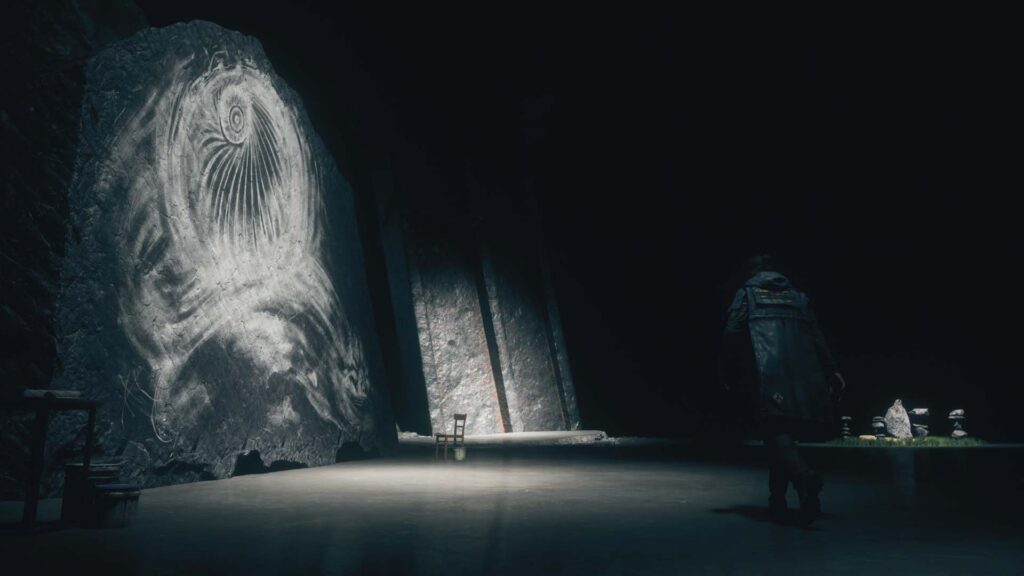
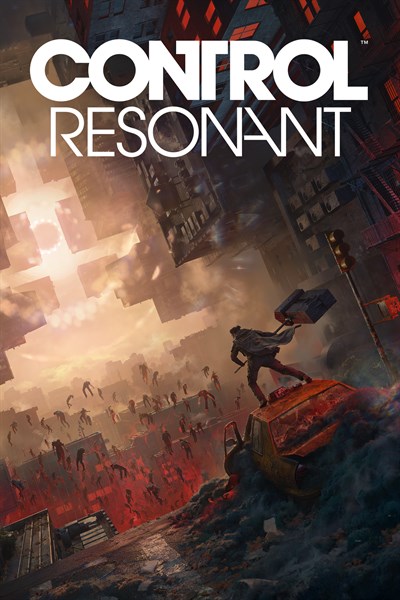
The Oldest House leaking into New York is all I needed to hear to be excited about Control Resonant, Remedy Entertainment’s long-anticipated follow-up to their excellent 2019 paranormal action-adventure, Control. As they recently showed us with Alan Wake 2, the folks at Remedy are not afraid to take big swings with sequels, and Control Resonant looks no less surprising and delightful than its studio and series pedigree would suggest.
Last week, we got to see virtual presentation from Creative Director Mikael Kasurinin (also the Creative Director of the franchise and Co-Creative Director of Remedy Entertainment) and Lead Gameplay Designer Sergey Mohov, giving live commentary over pre-recorded gameplay video segments. They focused on combat and customization, which is clearly a big point of evolution from Control to Control Resonant.
Only in New York
In Control Resonant you play as Dylan Faden, brother of the original Control’s protagonist, Jesse, and a powerful parautilitarian (think “somewhat spooky superhero”) like his sister. In order to curb speculation, Kasurinin and Mohov were clear that Jesse will not be playable in Resonant, though she will be present as a major character.
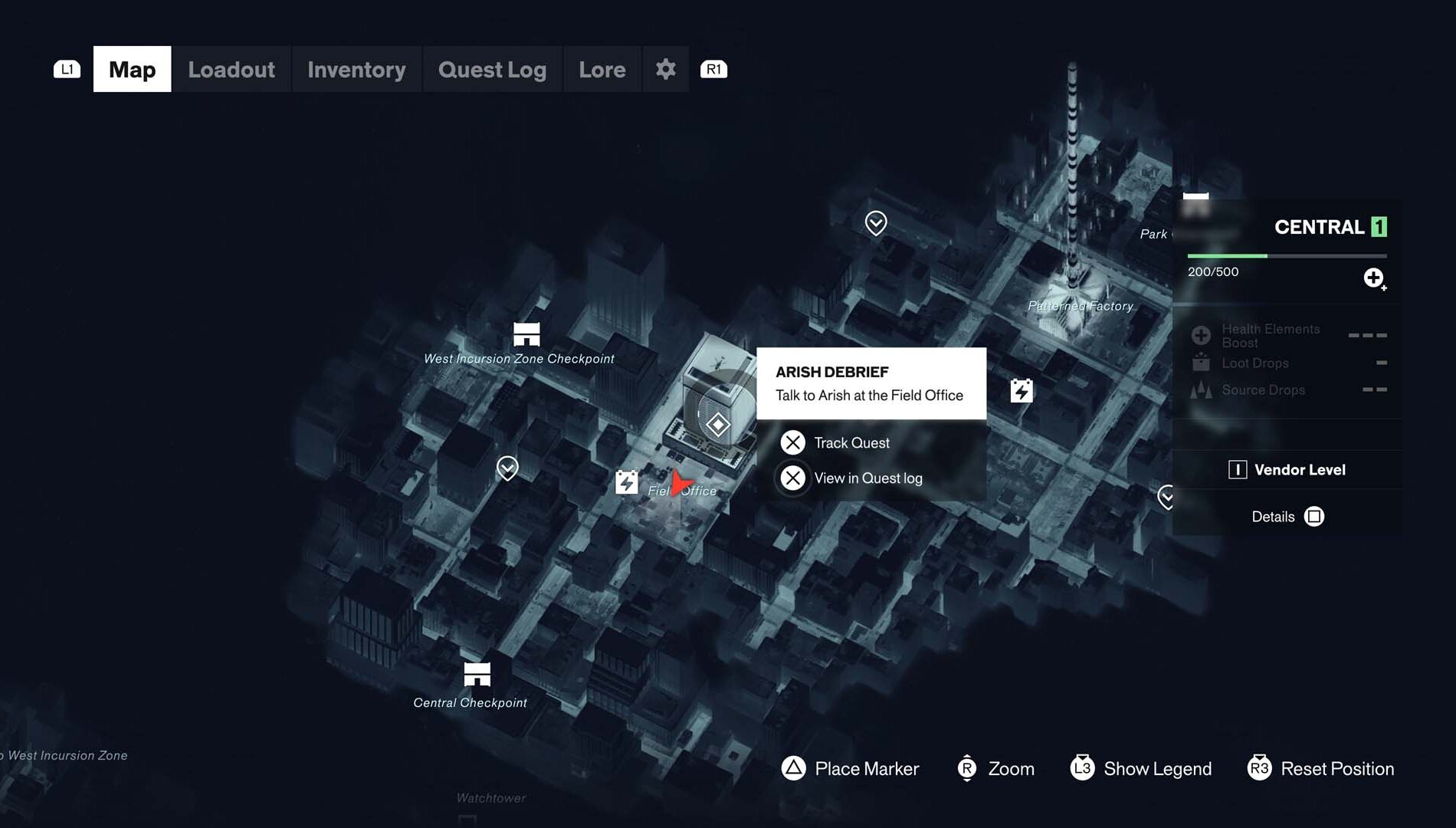
Seven years after the events of the first game, cosmic horror the Hiss has escaped the Oldest House, base of operations for the Federal Bureau of Control (think “The X-Files” if Mulder had funding), and taken over Manhattan, flooding it with monsters and psychedelically warping space and gravity to create a broken, dreamlike world reminiscent of “Inception.” While not a full, seamless open world, the city is divided into major zones that spoke off from a central area where the FBC’s field office is set up, which will serve as your evolving hub throughout the game.
The cosmic forces terrorizing the city have affected each zone very differently, allowing them to have distinct vibes and challenges. Control’s Oldest House was an impeccably surreal brutalist nightmare, but ultimately it was a lot of gray concrete over the run of the whole game. Kasurinin was clear that one of their goals for Resonant was to have much greater visual variety, of which the discrete zones are an obvious manifestation (although we didn’t really get a look at any yet beyond the particularly Incepted area from the reveal and gameplay trailers).
Devil May Control
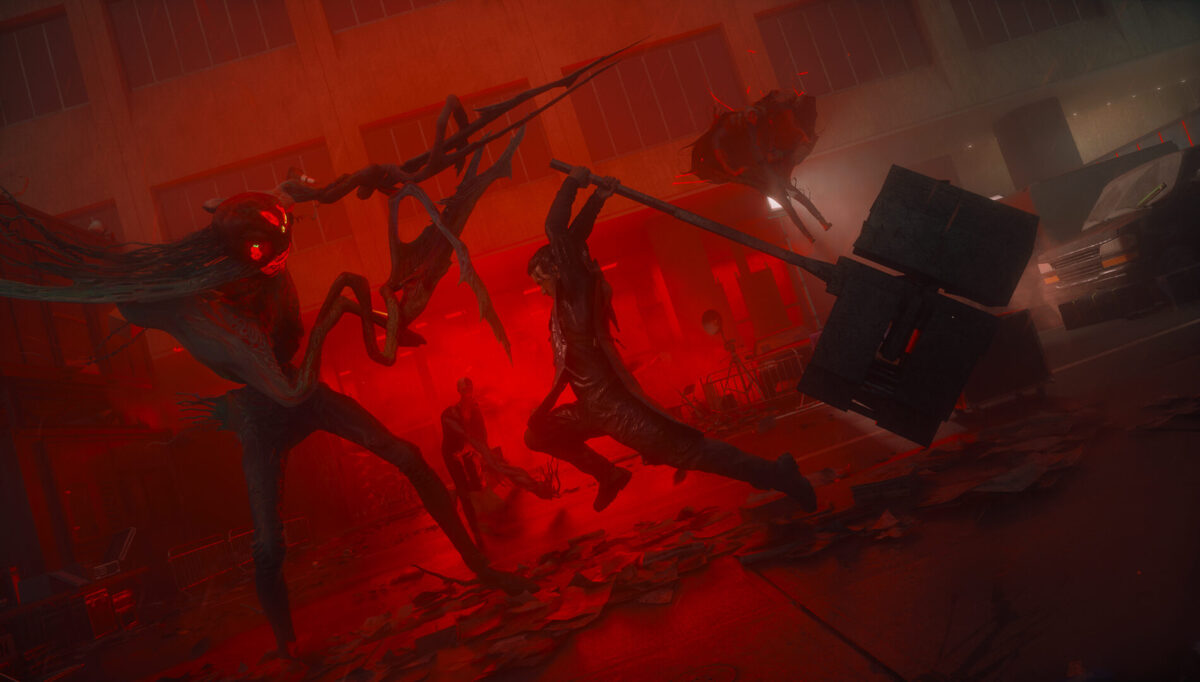
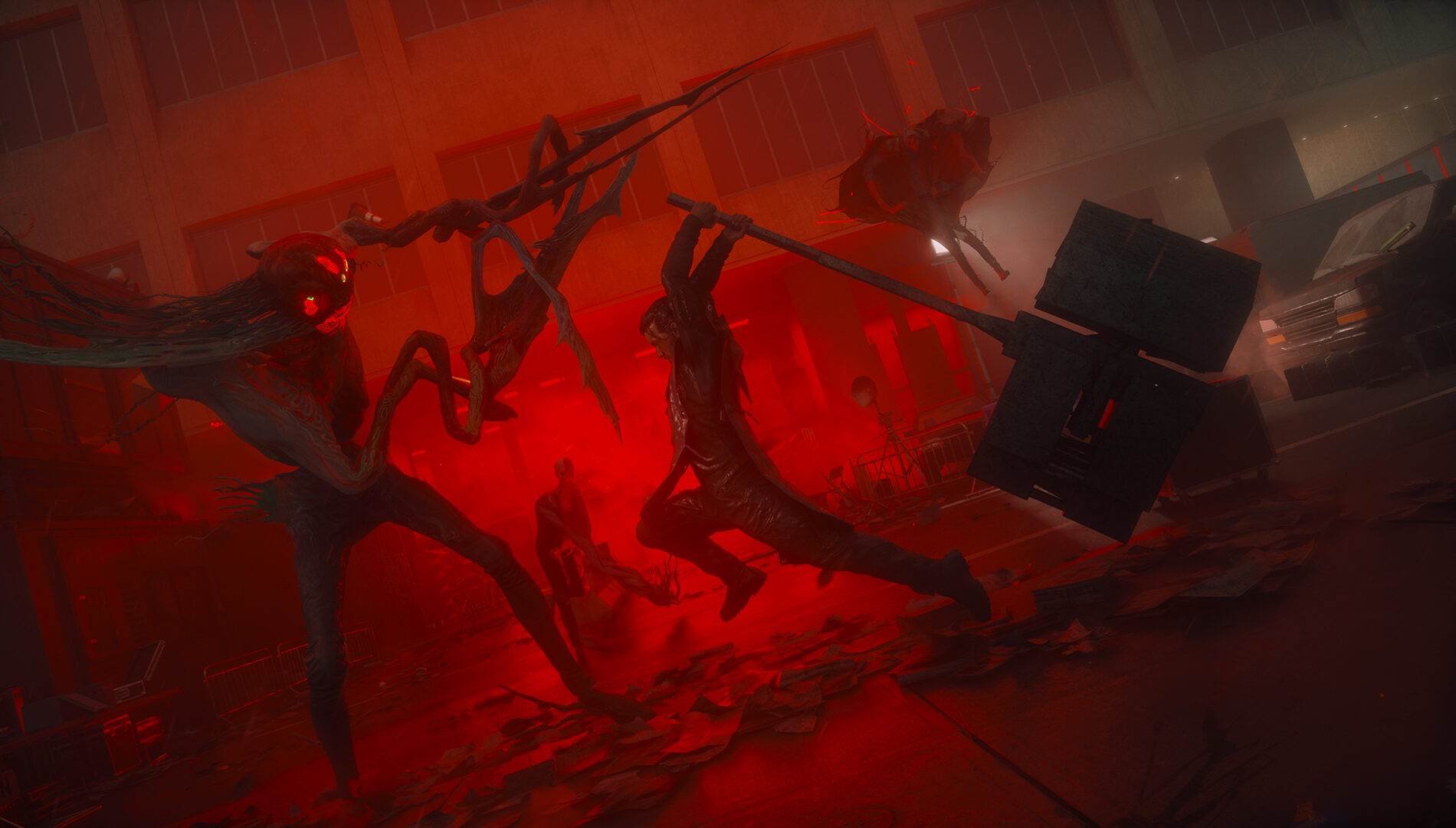
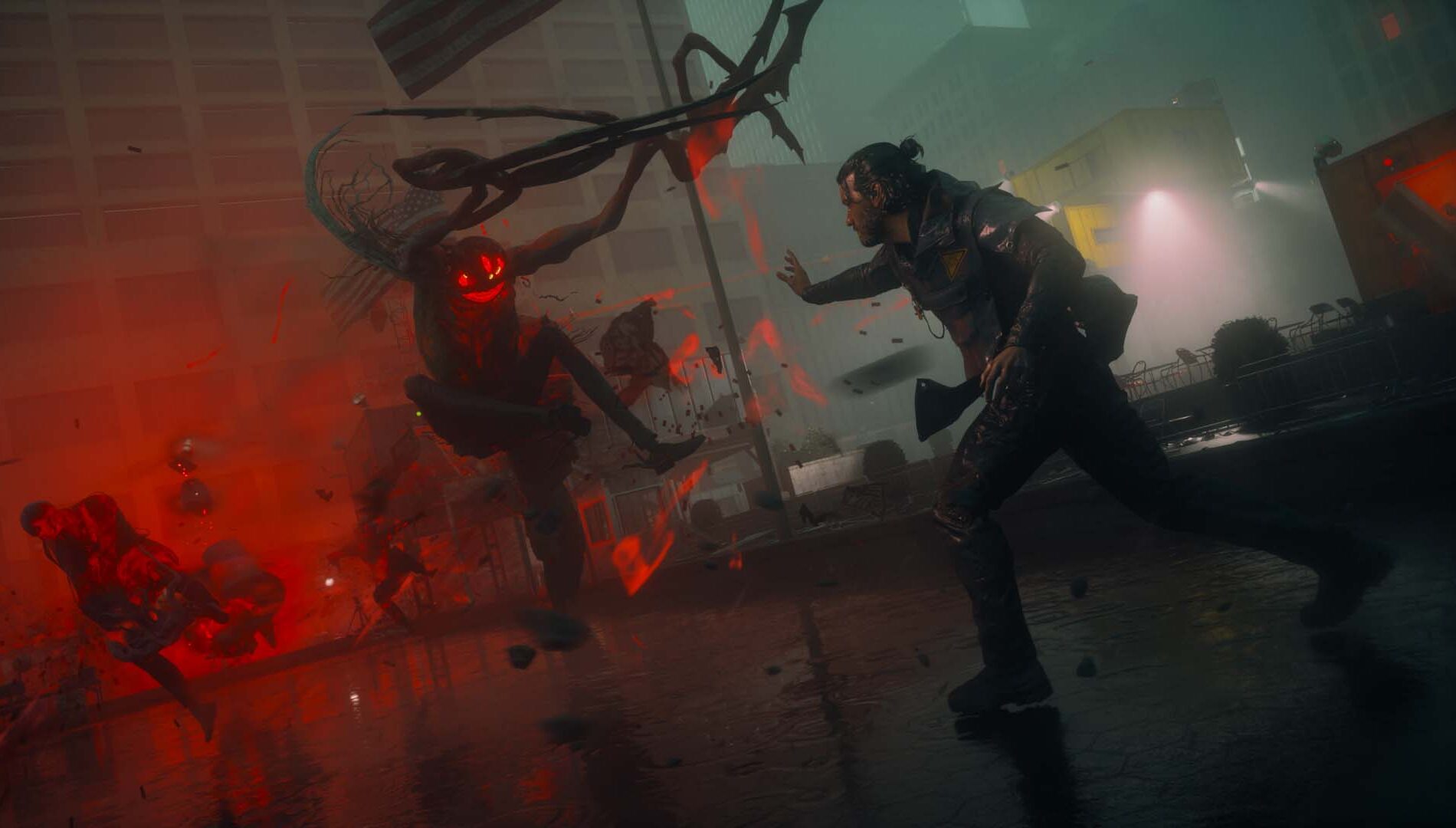
The biggest difference between Resonant and the first Control is the move from 3rd-person shooter to melee action-RPG. Where Jesse had the Service Weapon, which could morph between various gun forms, Dylan has attuned to the Aberrant, a shape-shifting close-quarters weapon. It’s unclear how many forms there will be in total, but examples we’ve seen include an enormous hammer, short blades, a scythe, and a whip.
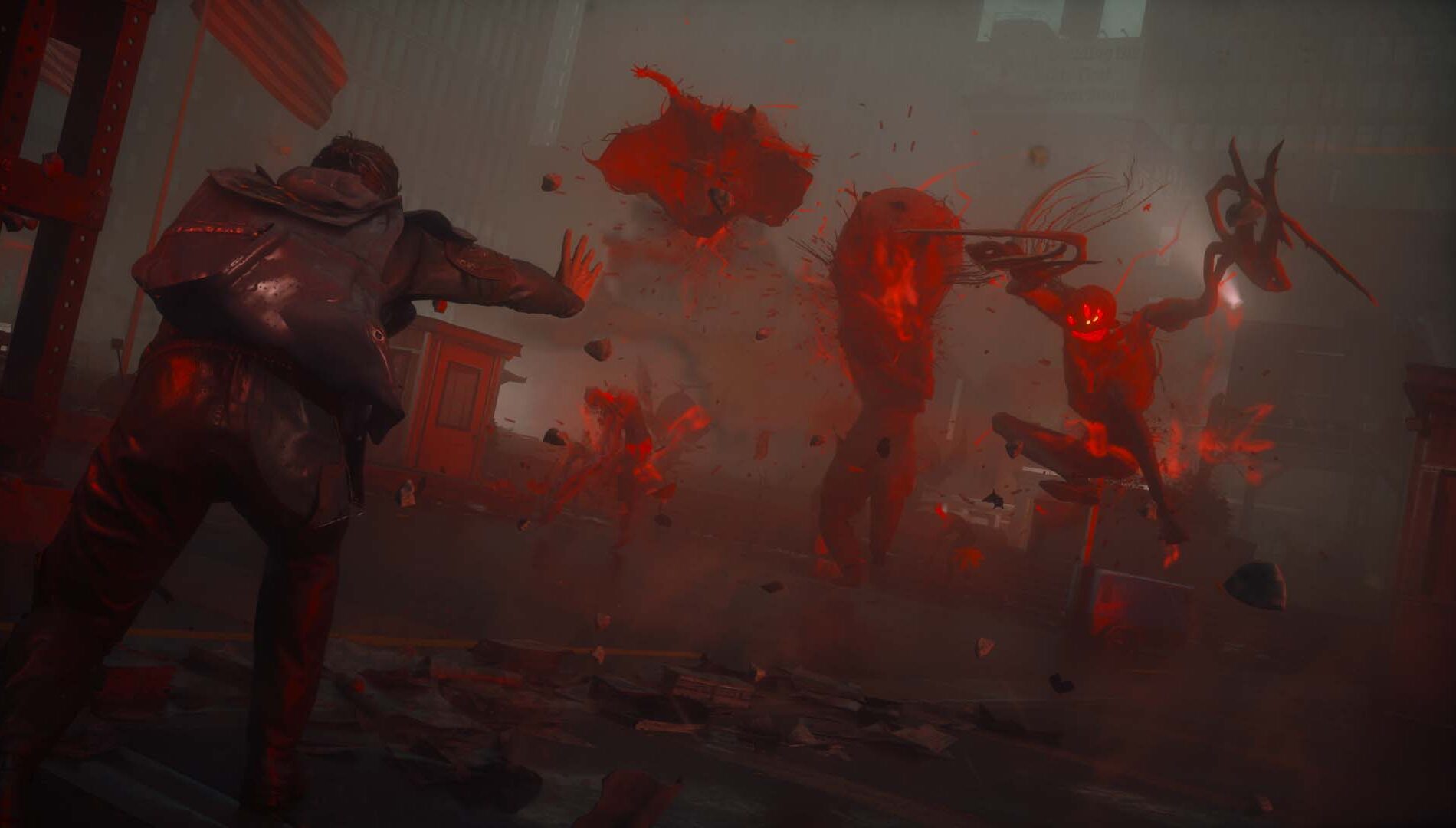
The action is fast and furious, reminiscent of the Devil May Cry franchise, or the work of PlatinumGames, air-juggling, combo meter, and all. Like the first game, it’s a system designed to encourage aggression – but it feels even more geared towards getting you into the thick of combat. Melee attacks give Dylan the resource he needs to use his special abilities, which will frequently stun enemies and allow for executions, in turn giving a temporary percentage buff to melee damage, letting you push to higher and higher levels of destruction with skillful play. Also like the first Control, a lot of your attention has to go towards not just attacking and dodging individual enemies, but managing crowds of different threats. Jesse’s ability to do this all at range with guns and telekinesis made it easier to keep the action squarely in front of you, but Dylan is fighting up close and personal, which means threats come in from all angles.
We also got a more extended look at Dylan’s fight against one of the eponymous Resonants, who serve as major story bosses for the game and reward Dylan with powerful abilities. The deft, masked, dual-mallet-wielding figure shown at the end of recently revealed gameplay footage is tentatively named the Dancer (though the developers noted that name is subject to change). Regardless, it’s in good company with memorable bosses like the Cogwork Dancers (Hollow Knight: Silksong) and Dancer of the Boreal Valley (Dark Souls III), where learning to match their graceful rhythms can be an exhilarating duet to master.
As with any action game, how good it will be is all about moment-to-moment game feel in a way that no video can communicate, but Control Resonant’s combat looks far more intense and mechanically crunchy than anything Remedy has done before, and I’m excited to get hands on it.
Theorycrafter’s Delight
Besides the intensity of the combat, another huge and exciting differentiator between Control Resonant and its predecessor is the build variety available. Remedy showed us the same fight against mobs of enemies both with a standard, up-close melee-focused build, and then with a build that focused on using skills to summon various minions and turrets to do crowd control while Dylan swooped around to make targeted executions. It became immediately clear how malleable this system will be, and how much your choices will make a meaningful difference to how you play.
The skill trees in Control allowed you to buff up various parts of Jesse’s kit to your taste, but it didn’t really feel like you were making creative build choices. I loved my time with it, but I was thorough and haven’t felt compelled to go back, in part because by the end it felt like I had seen pretty much everything the combat had to offer.
Control Resonant aims to encourage replays with far more in-depth combat systems that allow for radical build variety. When defeating Resonants, they can offer up to three choices for what power to take, which is permanent and exclusive, meaning you won’t be able to see everything in a single playthrough. One example we saw offered a choice between a shield that can also be used offensively to ram into enemies, a turret that can also be thrown as a bomb, or a third option we didn’t get a look at. In action, we also saw Dylan do things like force-push and cause remote explosions—standard cool telepath stuff.
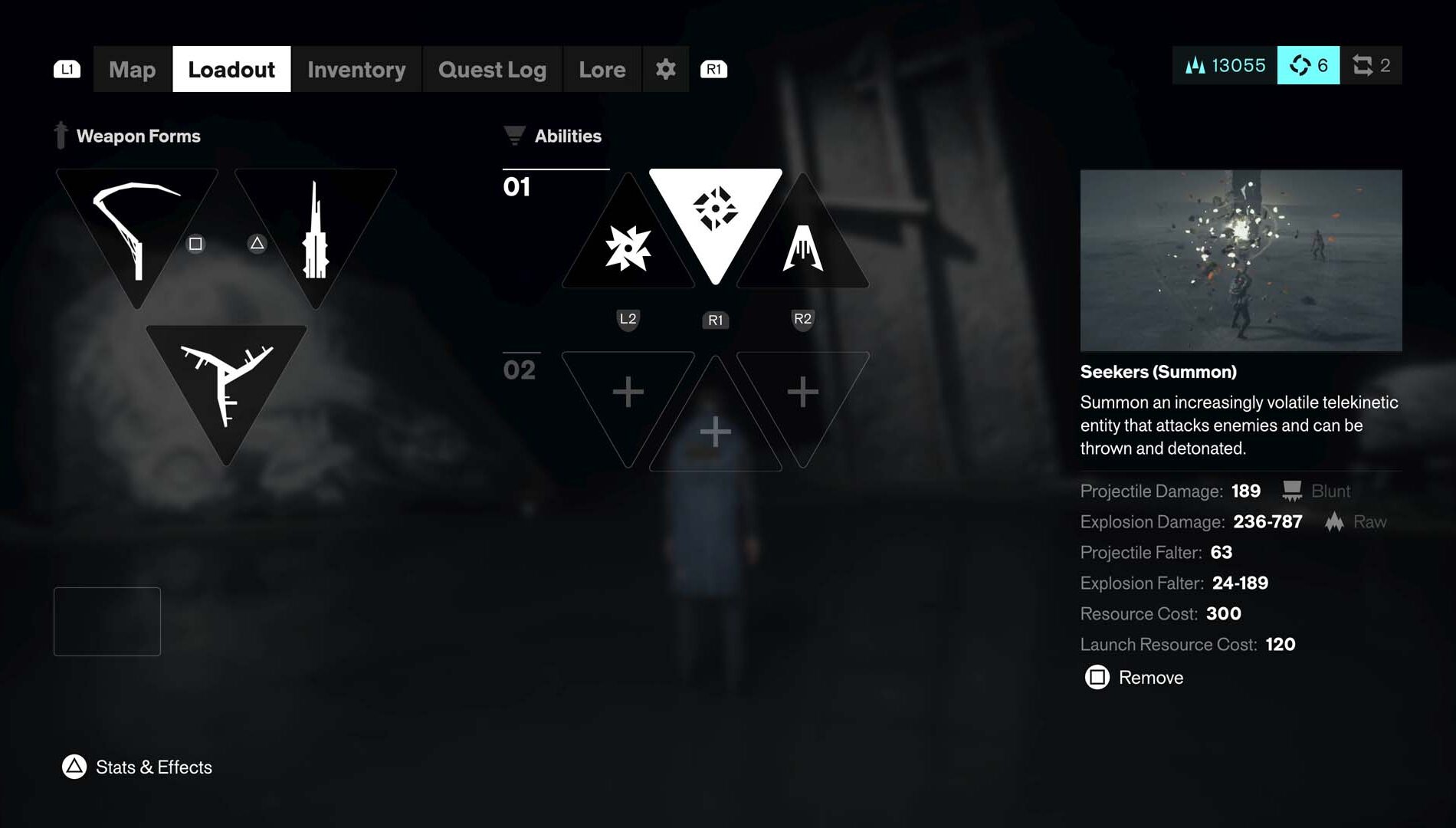
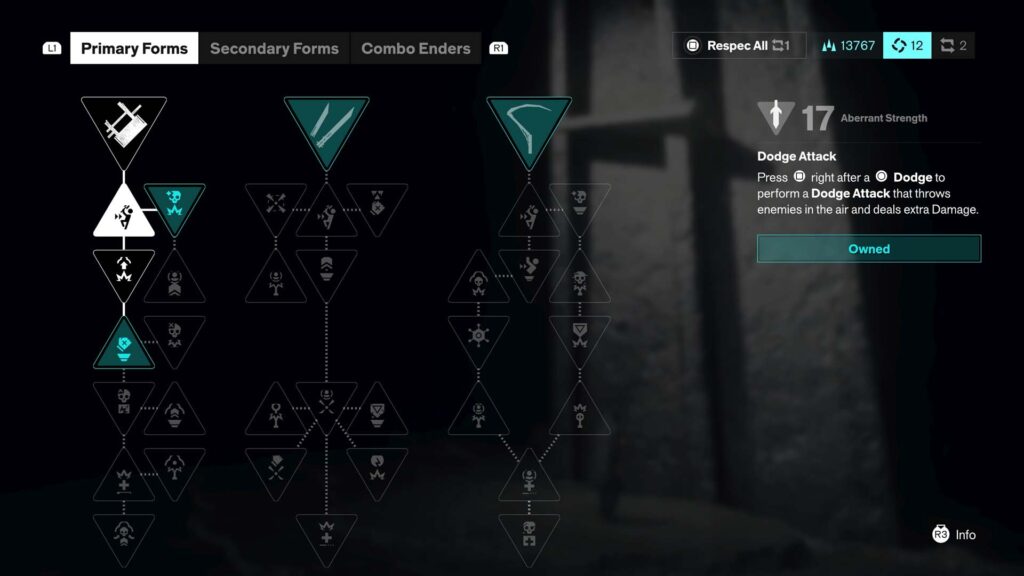
In addition to selecting from a variety of offensive, defensive, and tactical supernatural abilities, Dylan can also customize his weapon, the Aberrant. Rather than committing to a single weapon form’s moves, you set one primary form for basic attacks, a secondary form for special and charged attacks, and a combo ender for special finisher moves after attack chains. Within that, each weapon form offers upgrade trees that unlock alternate, specialized forms and modifier effects for the weapons, allowing further customization.
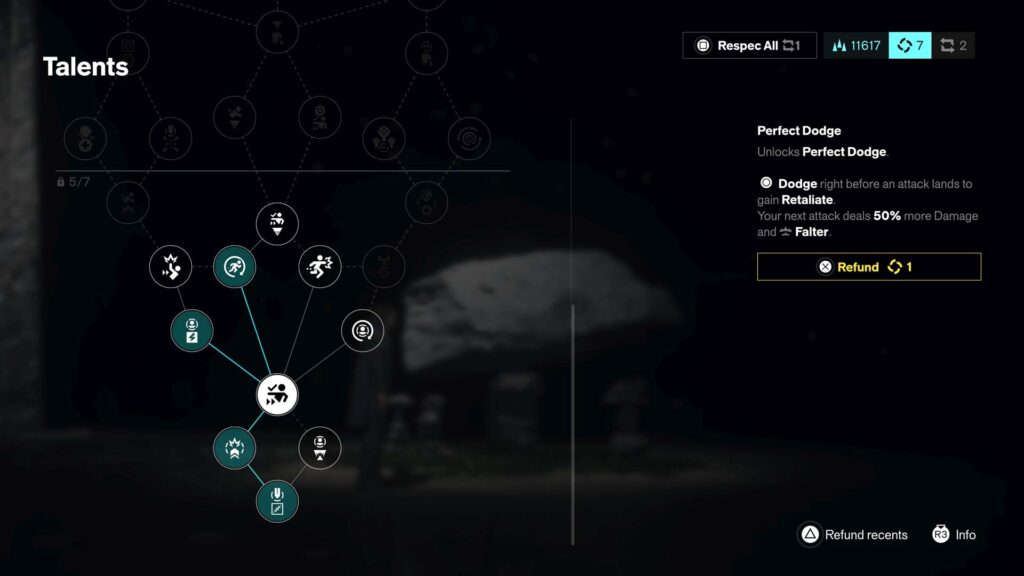
Then on top of that, there are talent trees for Dylan that unlock a variety of passive modifiers, which also involve exclusive choices that again limit what you can see in a single playthrough. These are built around synergies like various status effects that can be applied to enemies.
All of these systems run through The Gap, a diegetic mind palace menu space that Dylan can enter at any time out of combat. Here you find not reasonably priced bootcut jeans and sweatshirts, but ominous plinths on which Dylan can manage his various talent and specialization trees and systems.
It’s all a little overwhelming when breathlessly laid out, but it’s no doubt exciting. It seems like Control Resonant’s customization might really scratch that action-RPG itch for richly expressive and open combat systems in which you can really get your hands dirty exploring all sorts of different builds and playstyles – but decoupled from the Skinner box loot grind associated with the kinds of games we’d usually expect this from.
What’s perhaps most impressive is how much it feels like Remedy is getting right on their first try – the team has never made an all-out melee action game before, but it bears all the hallmarks of the greats in the genre. Given that Control spin-off FBC: Firebreak was also Remedy’s first ever multiplayer game, we asked Kasurinen if there’s something about the Control franchise that lets Remedy stretch their development wings. He agreed, saying that “Control is, first and foremost, a world, where a lot of different protagonists can exist within it, and they each have their own way of dealing with things.”
It’s something to be thankful for – Remedy have been one of the most reliable studios in the action space for a very long time, but seeing them apply all that experience to something new for them is a particular treat. I can’t wait to go back and spend more time in Control’s world with Resonant after this tantalizing little taste. While I wholly expected a Control sequel to paint Remedy’s eerie and imaginative vision across a grander scale, which did not disappoint, I did not expect the action-RPG buildcrafting sicko part of my brain to be activated as well.
After years in confinement at the hands of the Federal Bureau of Control (FBC), Dylan Faden’s former captors are deploying him at the peak of a supernatural crisis.
Charged with combating a mysterious cosmic entity as it alters fundamental aspects of our reality, Dylan must harness his new-found powers to take the fight to the myriad threats overwhelming Manhattan.
Join Dylan in this sequel to the multi-award-winning CONTROL to explore the expansive zones of a city overrun by the corrupting influences of the chaotic Hiss and invasive micro-organism, the Mold, and other twisted paranatural threats.
On the path to unlocking the full potential of his supernatural abilities Dylan will also seek out his sister, FBC Director Jesse Faden, as he bids to comprehend and contain the dangers that have spilled beyond the confines of the Oldest House to tear our world apart.
Ninja Gaiden 4: The Two Masters DLC Arrives Today – We Spoke to the Game’s Director About Every Addition
Sebastian YamaguchiXbox Wire Japan Editor
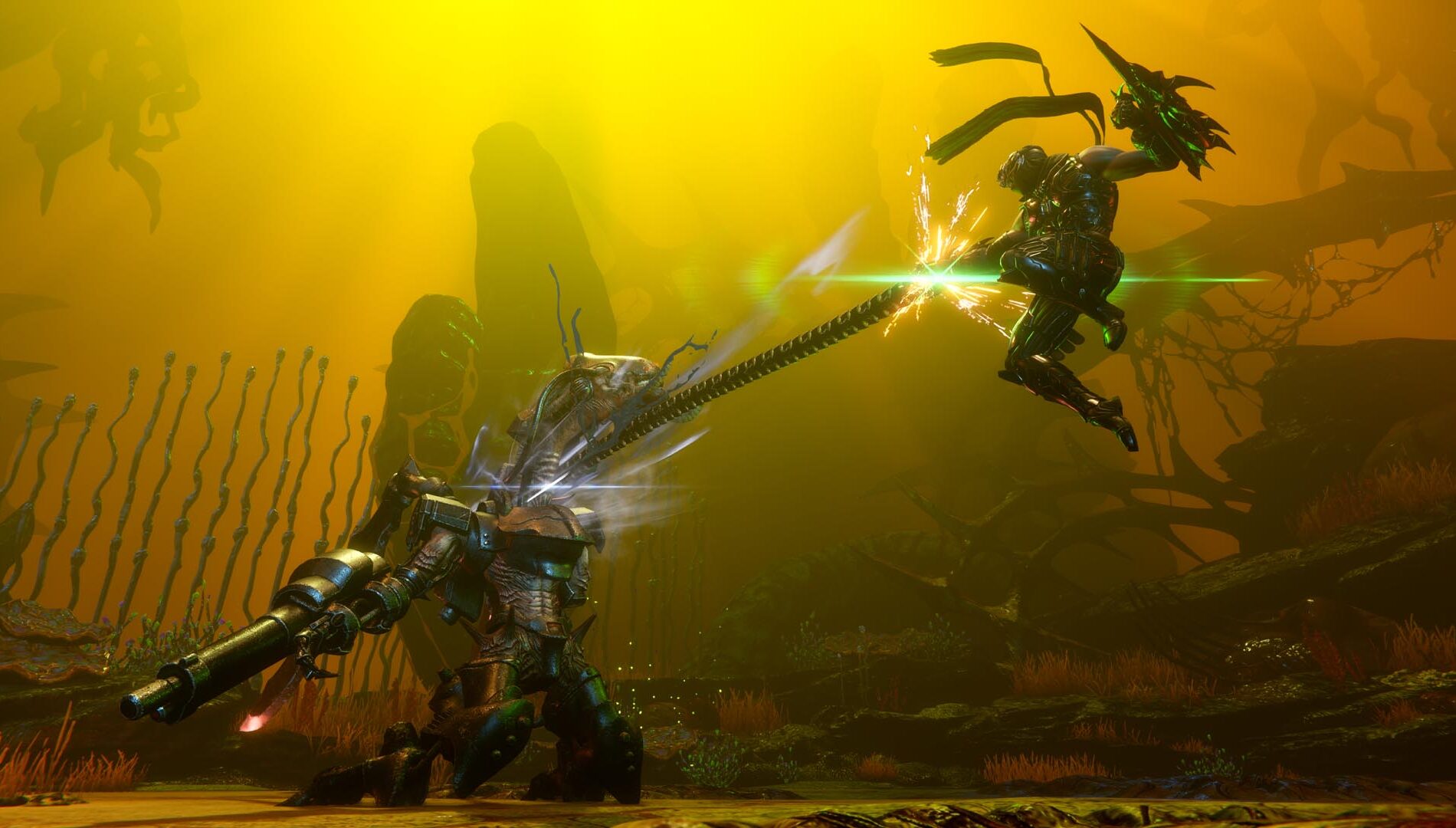
After a fierce climactic battle with the Dark Dragon, Yakumo gazes upon the scenery he has reclaimed. Yet even now, the shadow of a new—and terrifying—archfiend creeps ever closer. Though the skies have cleared, the presence of deeper evil never fades. The battle of the Master Ninja is far from over.
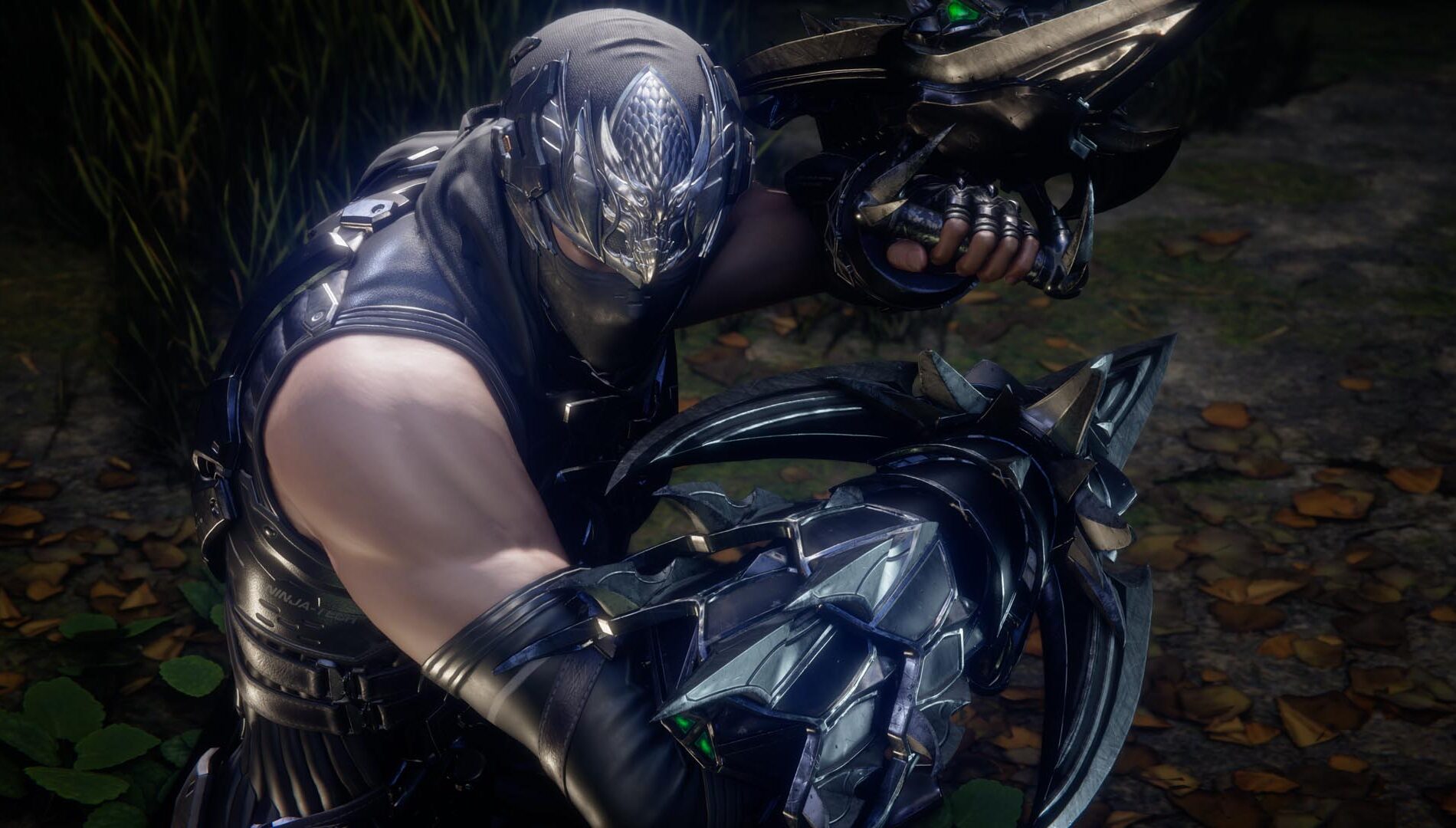
Following the events of the main Ninja Gaiden 4 storyline, the long-awaited The Two Masters DLC sheds more light on the stories of both Ryu Hayabusa and Yakumo, who now stand together as Master Ninjas.
This DLC expands beyond the main game’s ending with new narrative content, and also introduces new weapons for both characters, adds an 100-battle gauntlet mode aptly named “Abyssal Road,” and incorporates wide-ranging quality-of-life improvements.
To access the new chapters that continue the story, as well as the new Abyssal Road challenge mode, players must complete the original campaign on any difficulty level (including the new-player friendly “Hero” mode). However, the new weapons added to Yakumo and Ryu’s arsenal will be available at any point after the tutorial for players who have not yet defeated the Dark Dragon.
I recently had the opportunity to play the DLC in advance, and spoke to PlatinumGames’ Yuji Nakao, the game’s producer and director. Here’s what you need to know before taking on the latest challenges Ninja Gaiden 4 has to offer.
The Story Continues
In the newly added DLC storyline, set after the events of the main game, Yakumo and Ryu Hayabusa spring into action to bring an end to the schemes of a new enemy, the Archfiend Seele. It also depicts Yakumo, who became a Master Ninja during the main story, reconsidering his own purpose in existence as he strives to catch up to Ryu Hayabusa.
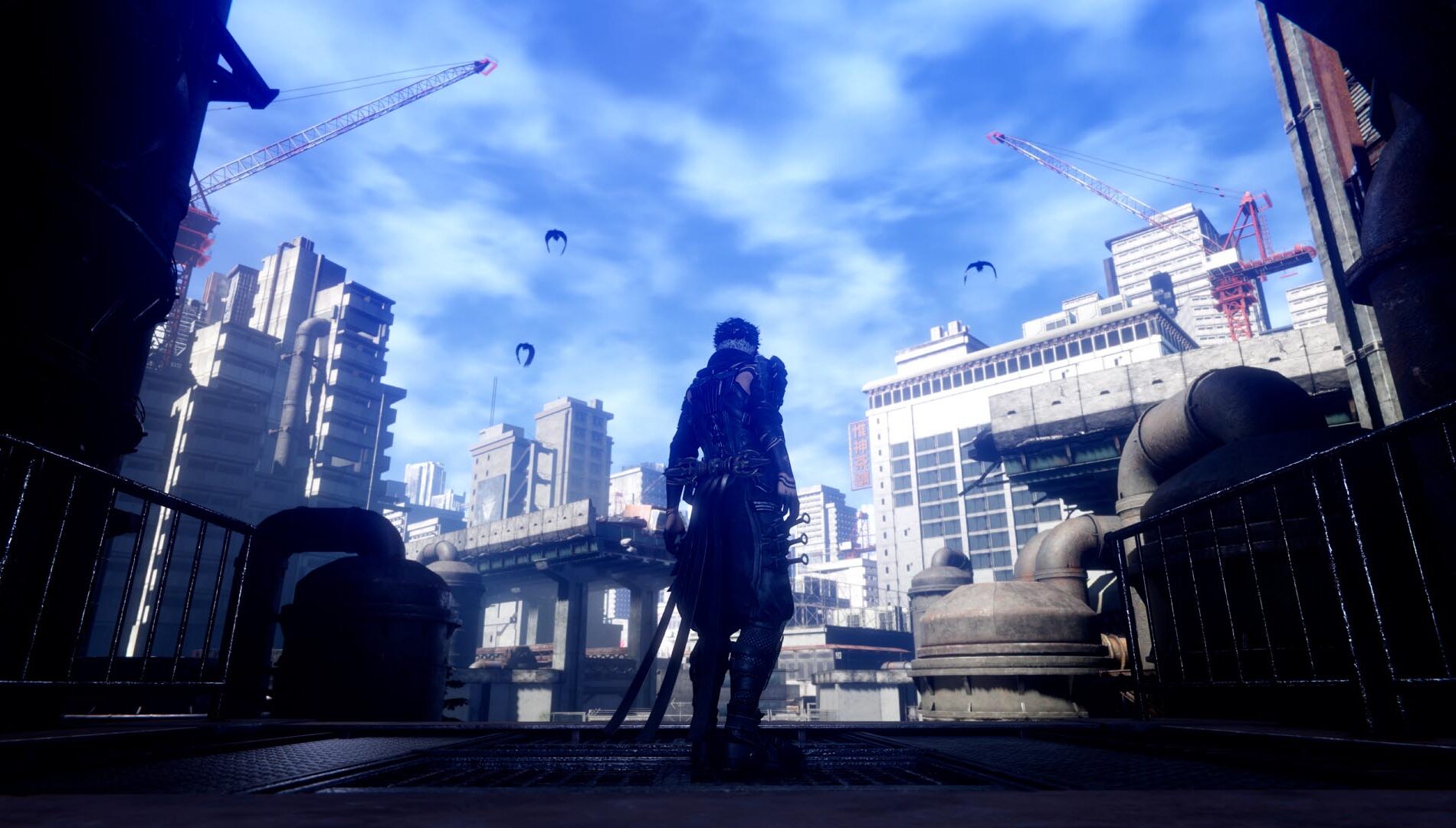
“This time, we were finally able to set things under clear skies! So, we prepared locations where that brightness really shines,” says Nakao, with a grin on his face. “Yakumo’s stages were created with an urban, modern setting befitting the new Ninja Gaiden, while Ryu Hayabusa’s reflect the classic Ninja Gaiden image. We aimed for visuals that differ from [the main game], and stage design that fully embraces the essence of the Ninja Gaiden series.”
True to Nakao’s remark about clear skies, many battlefields in the DLC storyline are sunlit, marking a major shift from the atmosphere of base game’s main storyline. The Dark Dragon that once loomed over Tokyo’s sky is already gone, and likewise the Raven clan has been freed from its fate. Having fulfilled his clan’s long-held wish, Yakumo now must confront a new threat while grappling with inner conflict, all the while keeping up with Ryu Hayabusa.
An Addition to the Arsenal
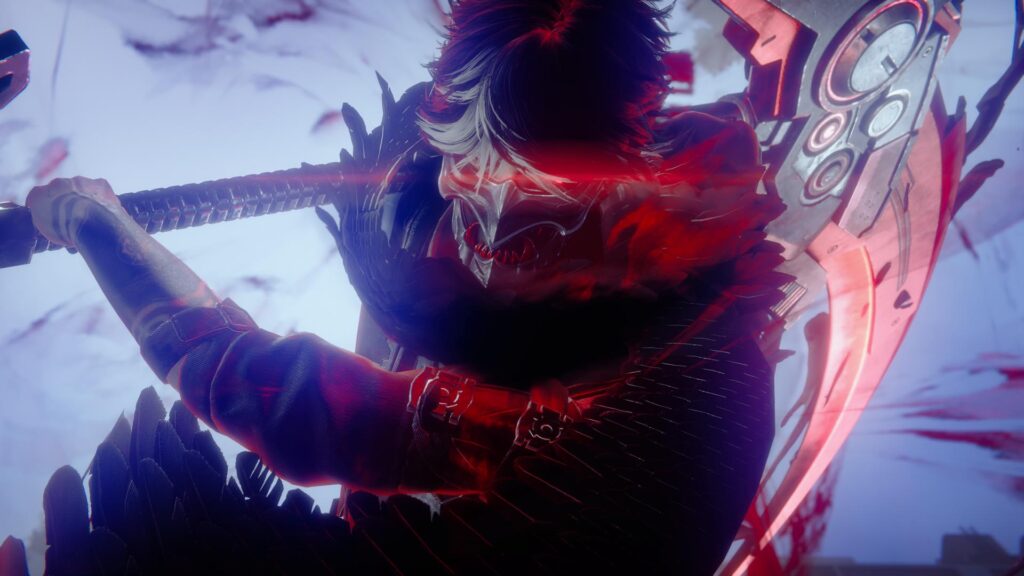
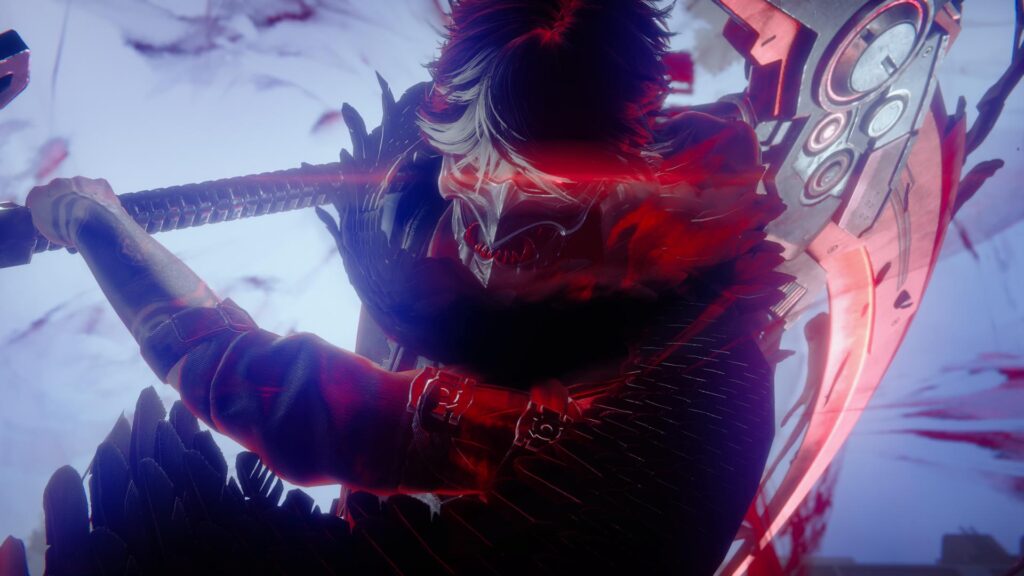
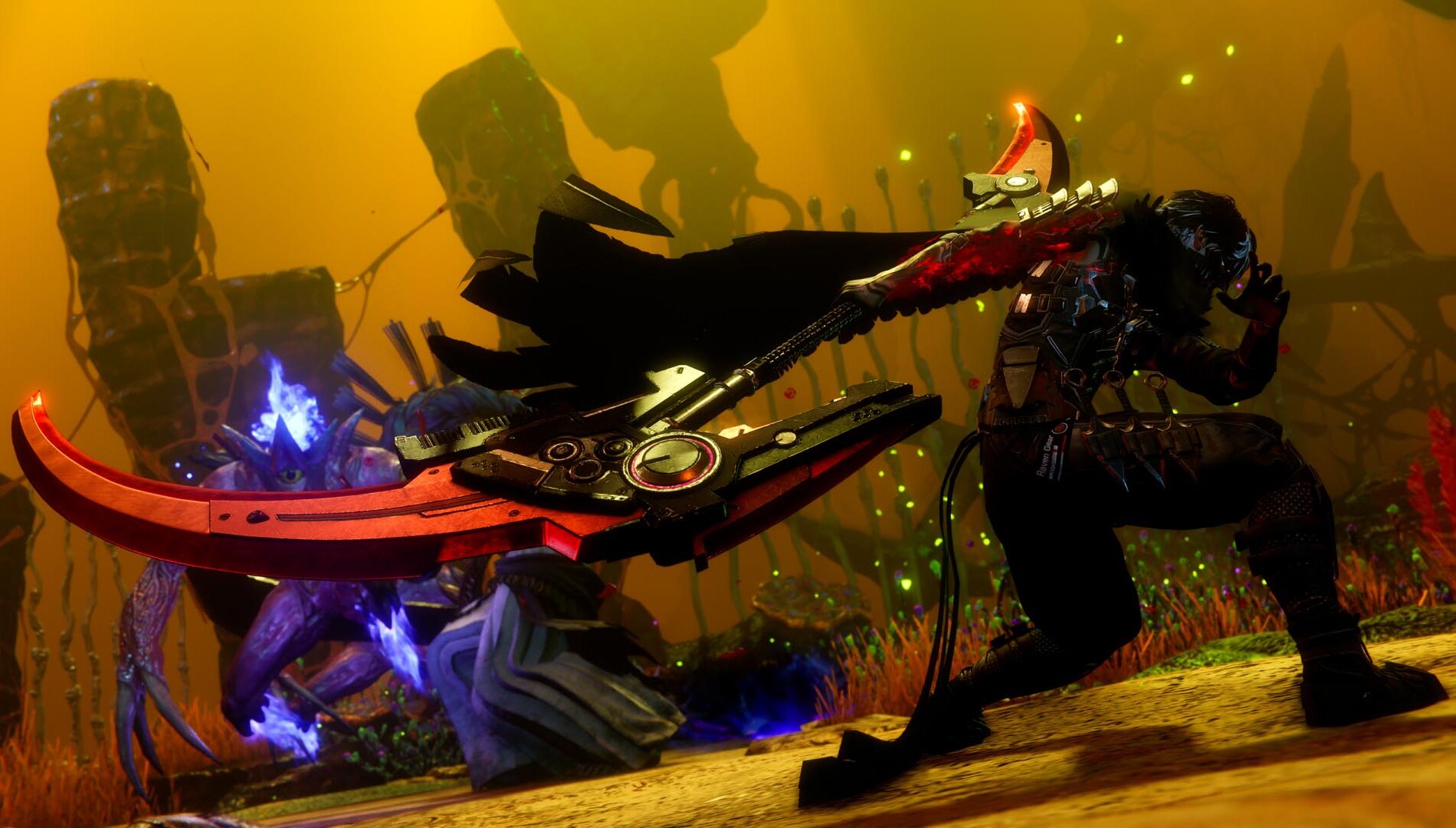
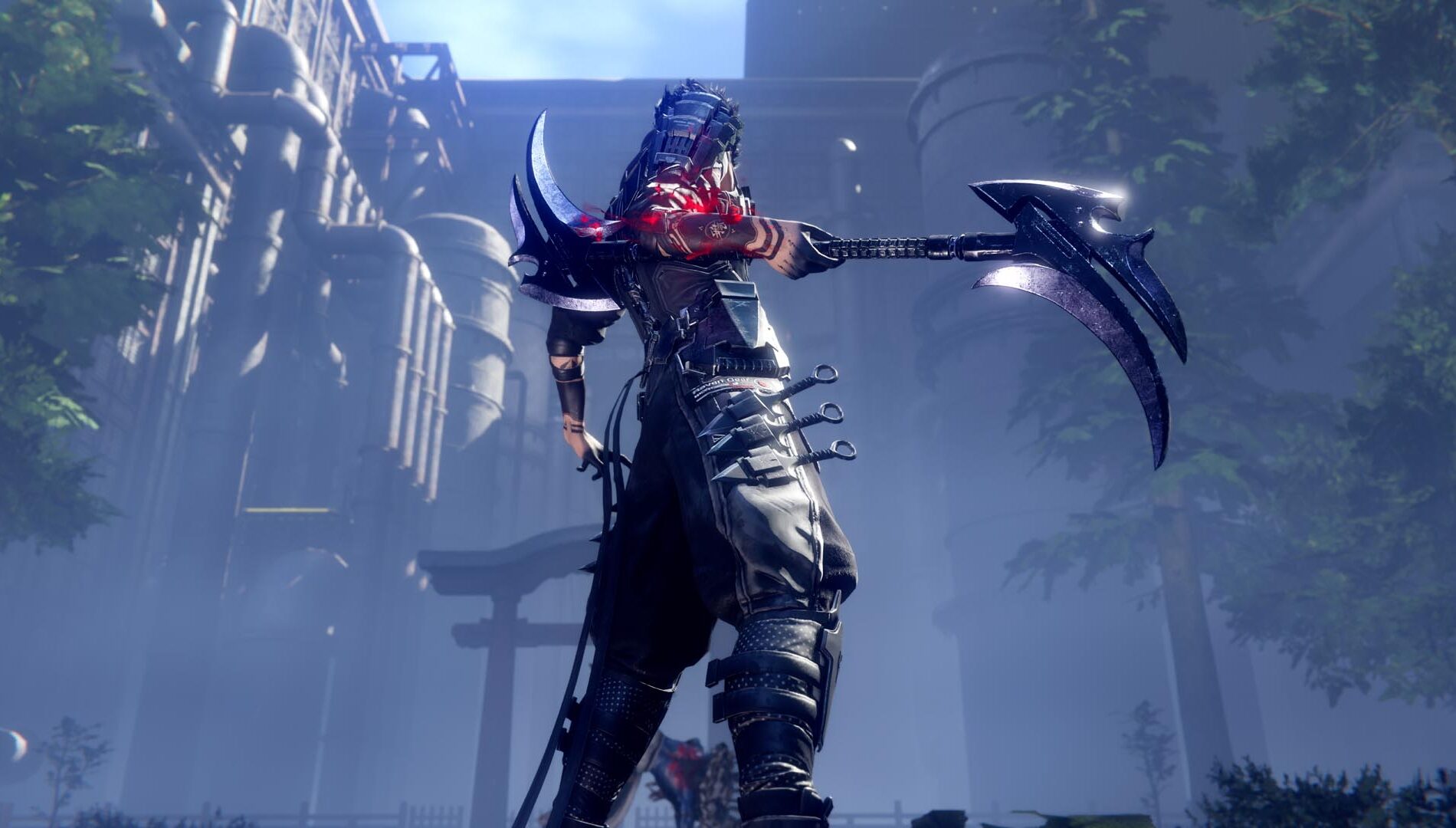
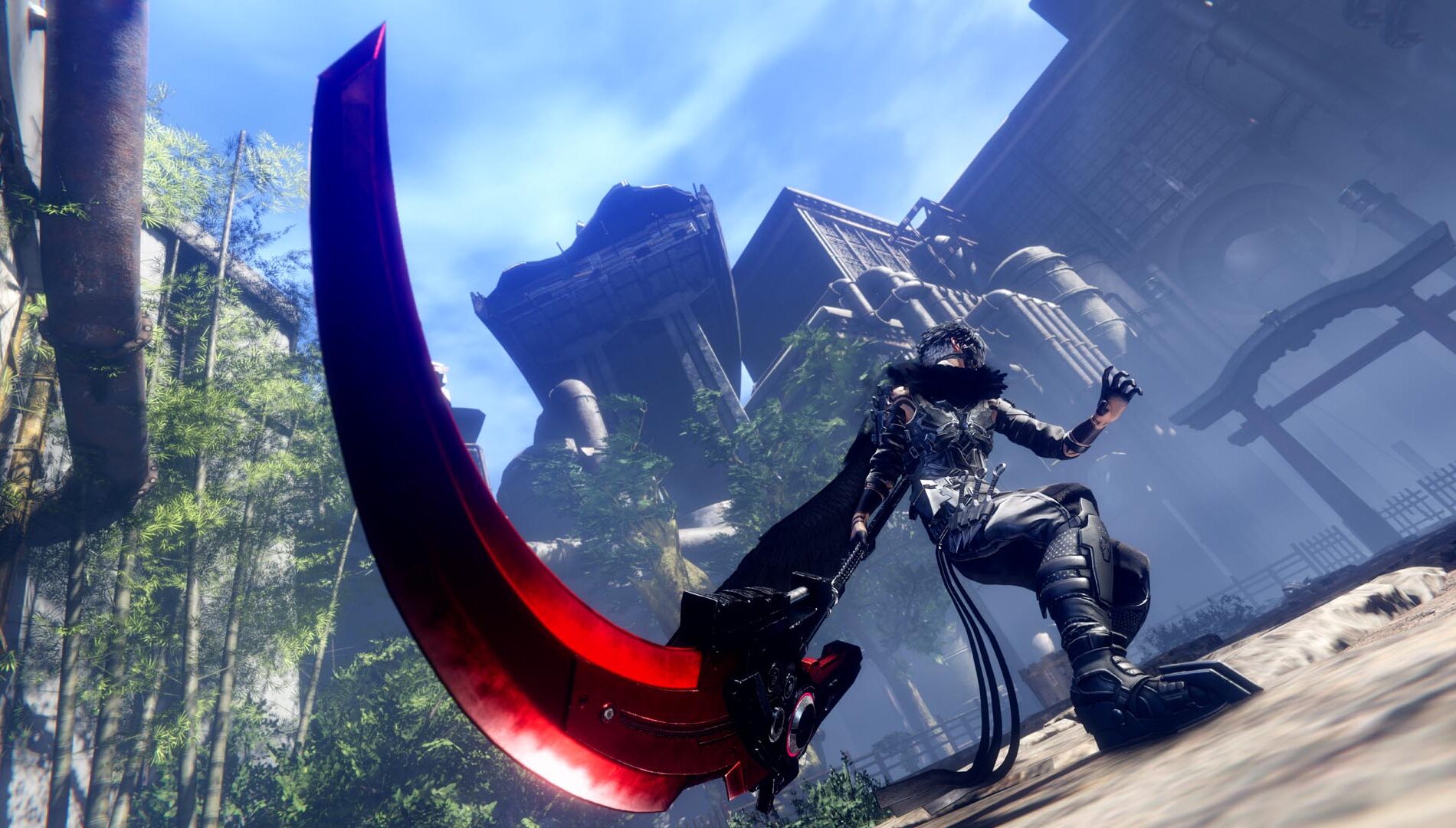
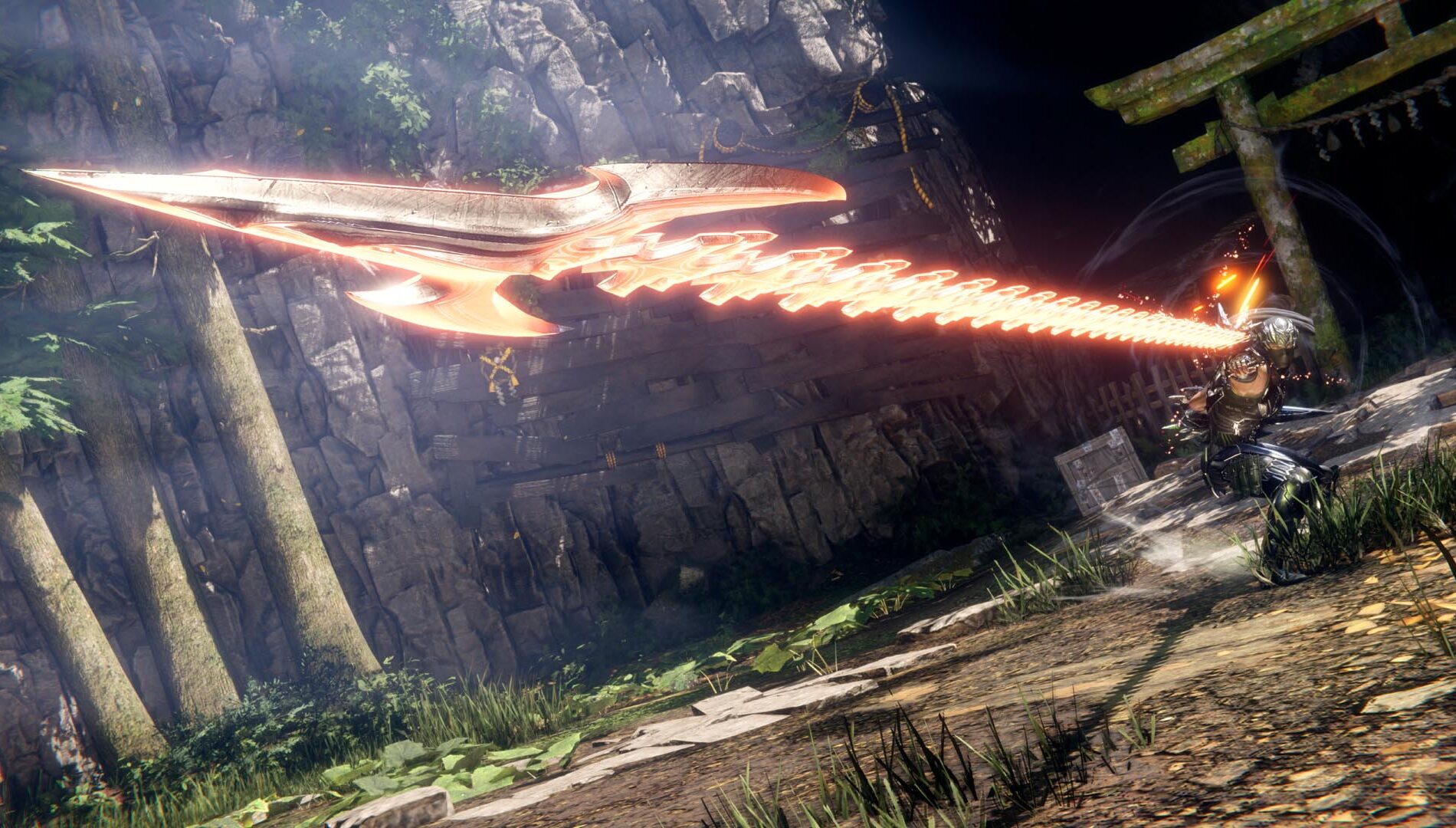
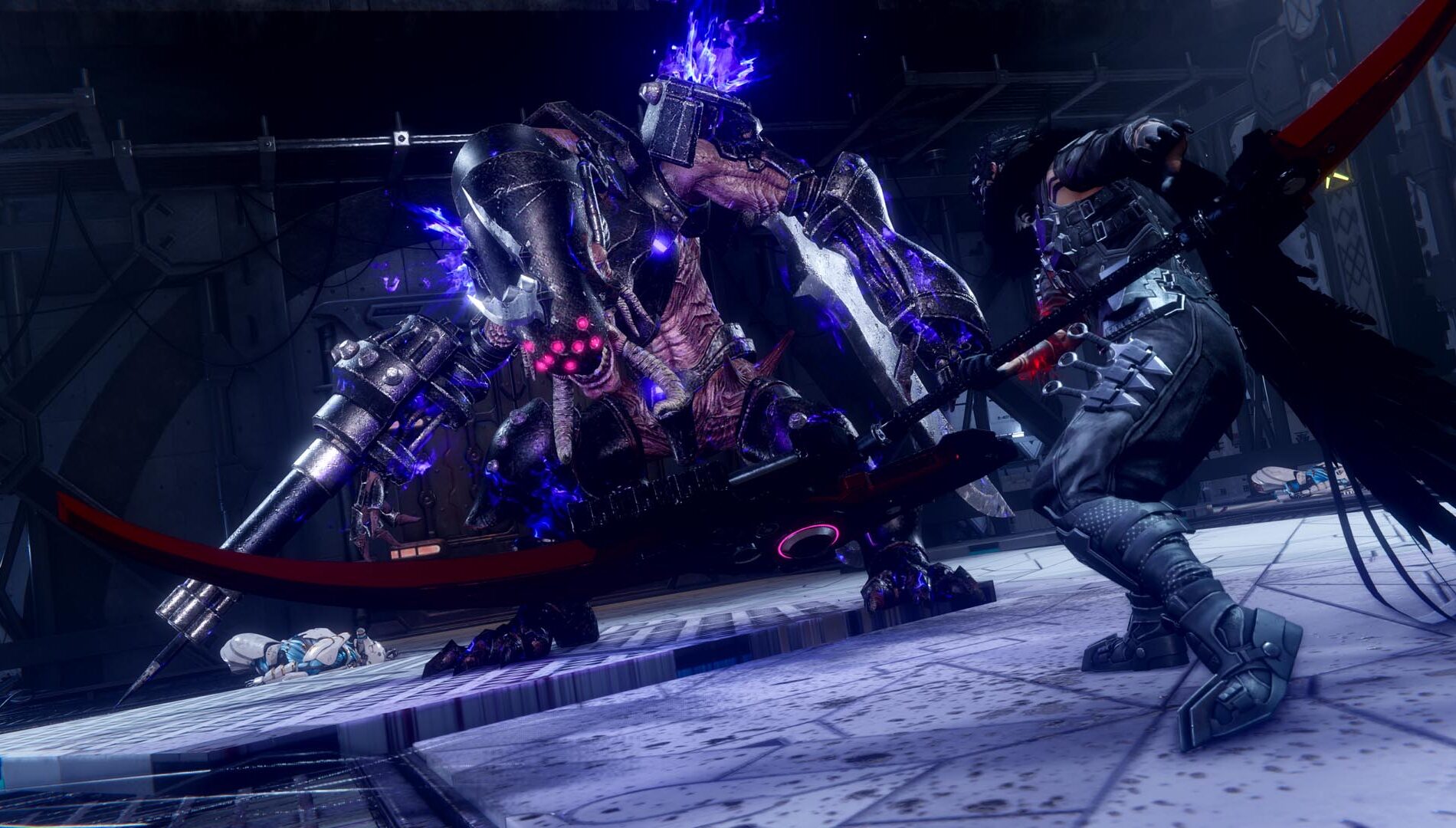
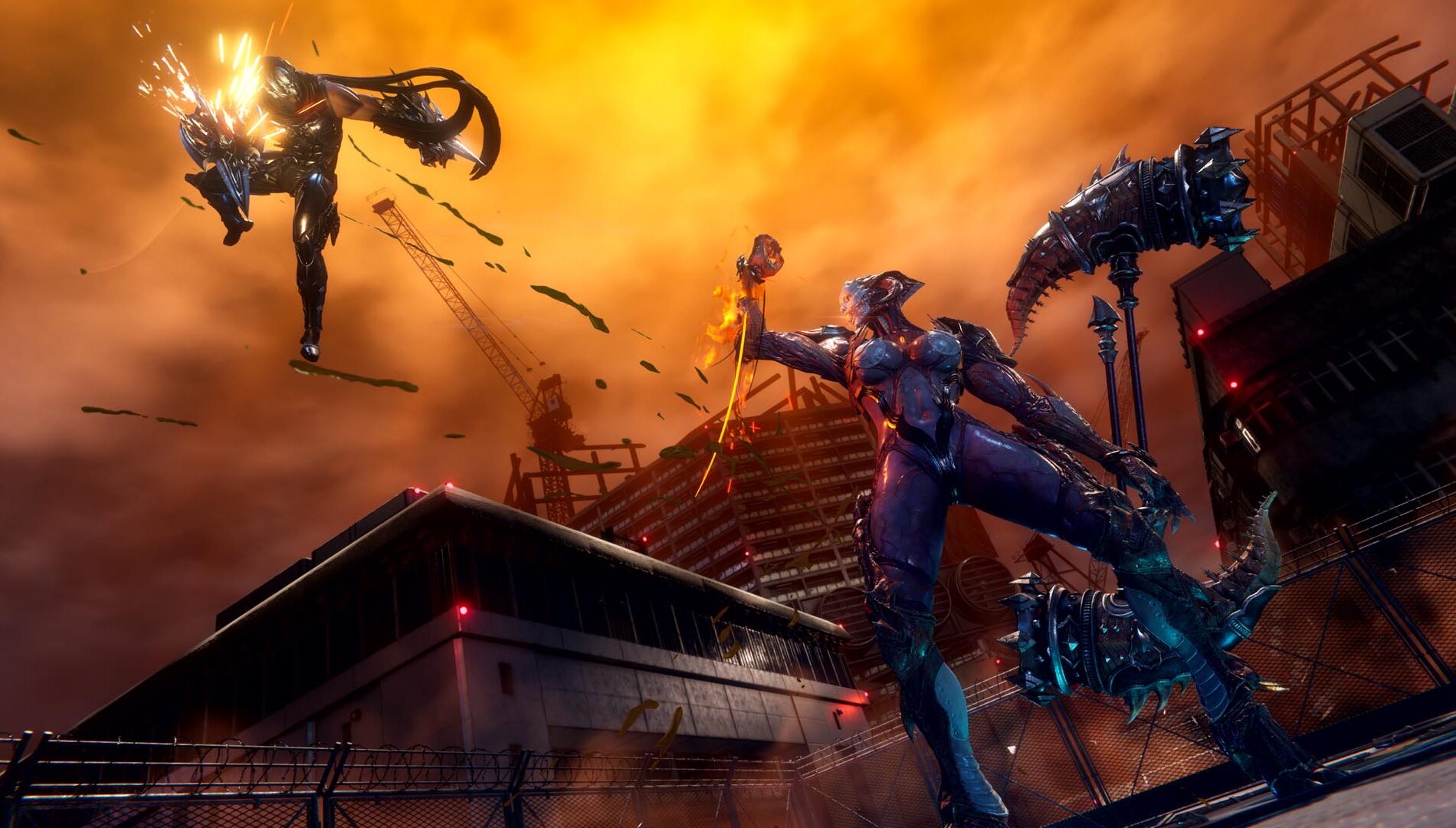
As part of the DLC, Yakumo and Ryu Hayabusa each receive one new weapon. Yakumo gains Solitaire, a double-bladed war scythe named for the French word, symbolizing his spiritual solitude and solitary nature. Ryu, meanwhile, receives Jakotsumon, a freely extending chain weapon that fires from serpent-themed gauntlets.
Solitaire
“When you think of a scythe, you think of the Grim Reaper, right? Yakumo, the solitary ninja who mercilessly cuts down enemies one after another, is nothing less of a grim reaper himself, and that was the image behind bringing Solitaire into the game. I’m not sure where he found it, though,” laughs Nakao. “Because it’s a scythe, we aimed for light, playful handling in each of Solitaire’s forms. The great scythe looks heavy, but you can wield it quickly and smoothly, offering more responsive action than Yakumo’s previous Bloodraven moves.”
Solitaire allows even more agile movement and is characterized by having relatively low risk when holding down the attack button for charged attacks. Its sustained attack can repel enemy projectiles, demonstrating excellent breakthrough power, even in chaotic battles against large enemy waves.
Jakotsumon
“Until now, Ryu’s weapons haven’t really had a long reach, so this time we challenged that,” says Nakao regarding Jakotsumon’s development. “Jakotsumon not only extends for attacks but can pull enemies in or pull Ryu toward them; it’s a weapon highly specialized for mobility and positioning. It also has techniques that strike many foes at once, so in terms of usability you could say it’s quite versatile.”
In Ninja Gaiden 4, Ryu Hayabusa wielding the Dragon Sword already makes him one of the most capable versions of the character in the series. With Jakotsumon’s addition, the game adds an all-round weapon that enables even more aggressive close-quarters combat while ensuring enemies don’t slip away.
As players grow accustomed to it, they’ll be able to enjoy a technical playstyle, where they will opt to use Jakotsumon’s versatility to compensate for actions difficult with just the Dragon Sword.
A Gaze into the Abyss
The Abyssal Road, a fresh addition in The Two Masters DLC, is a mode for Master Ninjas seeking simple yet endless combat. Difficulty is set by tiers; starting from Normal and increasing as players descend deeper, until around the 100th floor where you must continuously fight at Master Ninja difficulty.
“As you advance deeper, enemy placement is strengthened. It truly becomes an abyss,” warns Nakao. “Players must overcome the 100-floor ordeal with limited items. Key features of the Abyssal Road include specially colored blood orbs and enemies in a Frenzied state. Differently colored blood orbs behave differently, from raising score multipliers or filling the Berserk Gauge.
“Frenzied enemies, when defeated, spread their state to nearby foes. Defeating the Frenzied enemies guarantee the spawn of a special blood orb, so you must carefully judge when to finish them off. But the Frenzied state also enhances enemy aggressiveness and strength, so whether you spare them or kill them, neither path is easy.”
While it may seem overwhelmingly difficult at first glance, the Abyssal Road imposes no special restrictions like the ones in the Challenge Missions. For those who simply want to enjoy pure, relentless combat, it is an ideal new mode, where you may spend countless hours in blissful focus.
Offering the Best Possible Experience
Several months have passed since the release of Ninja Gaiden 4, and the game continues to evolve based on player feedback. The quality-of-life improvements introduced alongside The Two Masters include enhanced combat responsiveness, added options for weapon set customization, and fixes across multiple chapters.
One improvement I noticed immediately, and particularly appreciated, was the significant reduction in retry time. Previously, when Yakumo or Ryu fell, a few-second curtain-call sequence would play. Now, it can be skipped with a button inputs. Players no longer need to watch the screen in frustration thinking “I was so close!” while waiting for the retry prompt.
The Two Masters DLC arrives today, and with it Nakao wants to present a heartfelt message of gratitude to the series’ fans:
“Thank you for your patience since we announced the DLC. During the time you’ve been waiting, we packed in as much replayable content as possible, including new weapons, stages, and challenges.
“We also prepared a completely new weapon for Ryu, the Jakotsumon, and I hope you’ll enjoy trying out his first new weapon in quite some time.
“Even players who have already cleared the game will find more scenarios to enjoy and new enemies awaiting them. We hope you’ll take this opportunity to play Ninja Gaiden 4 and The Two Masters DLC!”
The Two Masters is included as a free update for those who purchased the Ninja Gaiden 4: Deluxe Edition ($89.99 USD) or the Deluxe Upgrade ($20 USD). It is also available as a standalone offer for $14.99 USD.
The definitive ninja hack & slash franchise returns with NINJA GAIDEN 4! Embark on a cutting-edge adventure where legacy meets innovation in this high-octane blend of style and no-holds-barred combat.
Return of the Legend
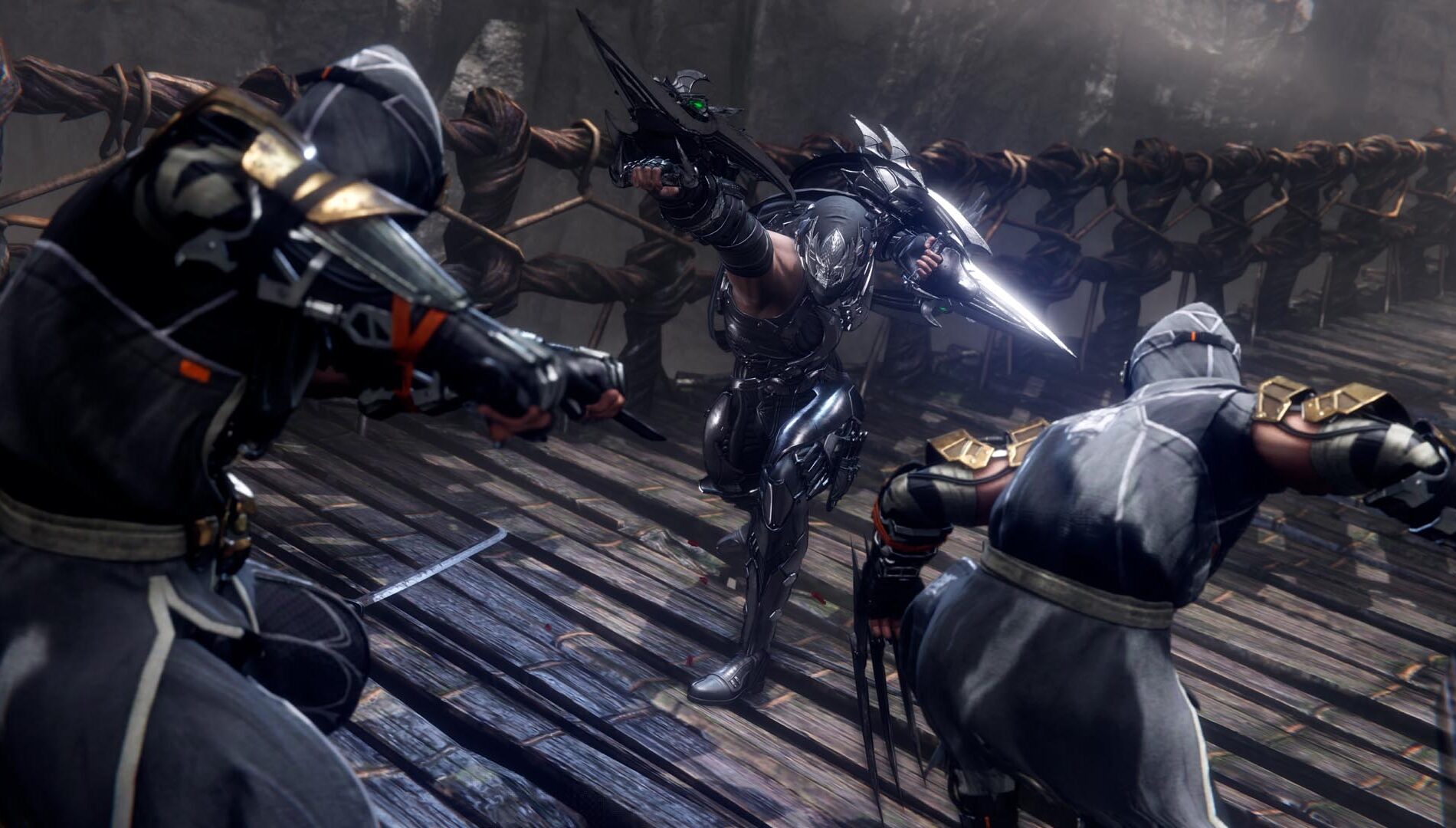
Experience a return to the intense, high-speed combat that established NINJA GAIDEN as a premier action game series. Prepare for a legacy reborn with captivating style for a new generation of players.
Epic Hack and Slash Combat, Evolved
NINJA GAIDEN 4 fuses Team NINJA’s tempered combat philosophy with the stylish, dynamic action gameplay of PlatinumGames. Engage in visually stunning combat that rewards precision and strategy. Use Bloodbind Ninjutsu to transform your weapons and unleash devastation upon your enemies, alongside legacy techniques like the Izuna Drop and Flying Swallow. The legendary Ryu Hayabusa also returns with a revamped yet familiar set of tools to master. With a customizable player experience, NINJA GAIDEN 4 will push action game veterans to their limits while allowing newcomers to enjoy a heart-pounding adventure full of twists and turns.
An Ancient Enemy Returns
An endless rain of miasma hangs over a near-future Tokyo in the wake of an ancient enemy’s resurrection. The fate of the city lies in the hands of young ninja prodigy, Yakumo. Fighting his way through cybernetic ninja soldiers and otherworldly creatures, Yakumo must reconcile a destiny he shares with the legendary Ryu Hayabusa himself and free Tokyo from the ancient curse that brought the city to its knees.
Experience a return to the intense, high-octane action of NINJA GAIDEN with the Deluxe Edition.
Includes:
• Base Game
• Future Gameplay Content*
• Traditional Dark Blue and Legendary Black Falcon Ryu Skins
• Blade of the Archfiend Ryu Weapon Skin
• Divine Chimera and Raven Master Yakumo Skins
• Divine Chimera Yakumo Weapon Set
• 50,000 Bonus NinjaCoin
• Additional In-Game Items
The definitive ninja hack & slash franchise returns with NINJA GAIDEN 4! Embark on a cutting-edge adventure where legacy meets innovation in this high-octane blend of style and no-holds-barred combat.
Return of the Legend
Experience a return to the intense, high-speed combat that established NINJA GAIDEN as a premier action game series. Prepare for a legacy reborn with captivating style for a new generation of players.
Epic Hack and Slash Combat, Evolved
NINJA GAIDEN 4 fuses Team NINJA’s tempered combat philosophy with the stylish, dynamic action gameplay of PlatinumGames. Engage in visually stunning combat that rewards precision and strategy. Use Bloodbind Ninjutsu to transform your weapons and unleash devastation upon your enemies, alongside legacy techniques like the Izuna Drop and Flying Swallow. The legendary Ryu Hayabusa also returns with a revamped yet familiar set of tools to master. With a customizable player experience, NINJA GAIDEN 4 will push action game veterans to their limits while allowing newcomers to enjoy a heart-pounding adventure full of twists and turns.
An Ancient Enemy Returns
An endless rain of miasma hangs over a near-future Tokyo in the wake of an ancient enemy’s resurrection. The fate of the city lies in the hands of young ninja prodigy, Yakumo. Fighting his way through cybernetic ninja soldiers and otherworldly creatures, Yakumo must reconcile a destiny he shares with the legendary Ryu Hayabusa himself and free Tokyo from the ancient curse that brought the city to its knees.




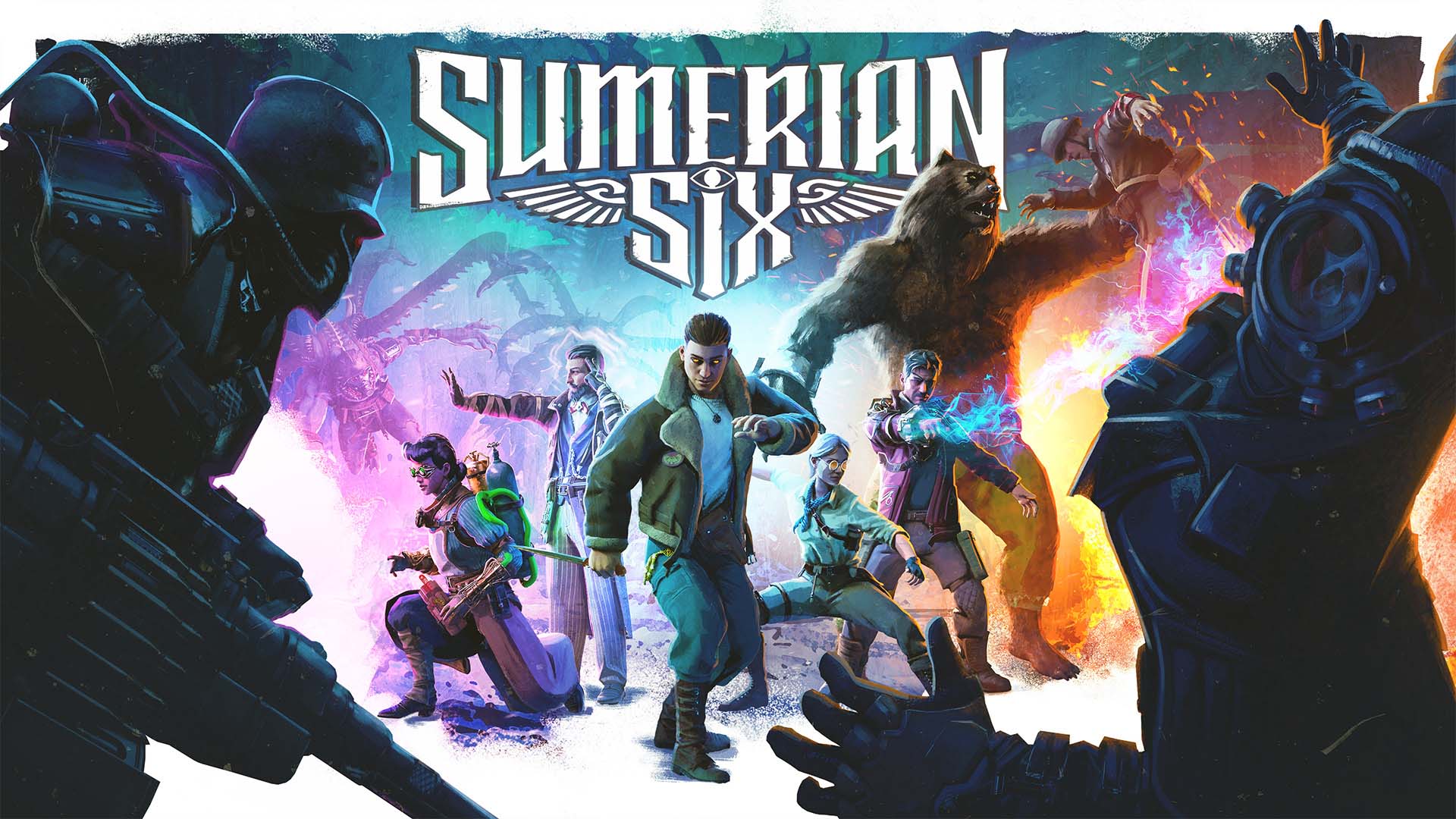


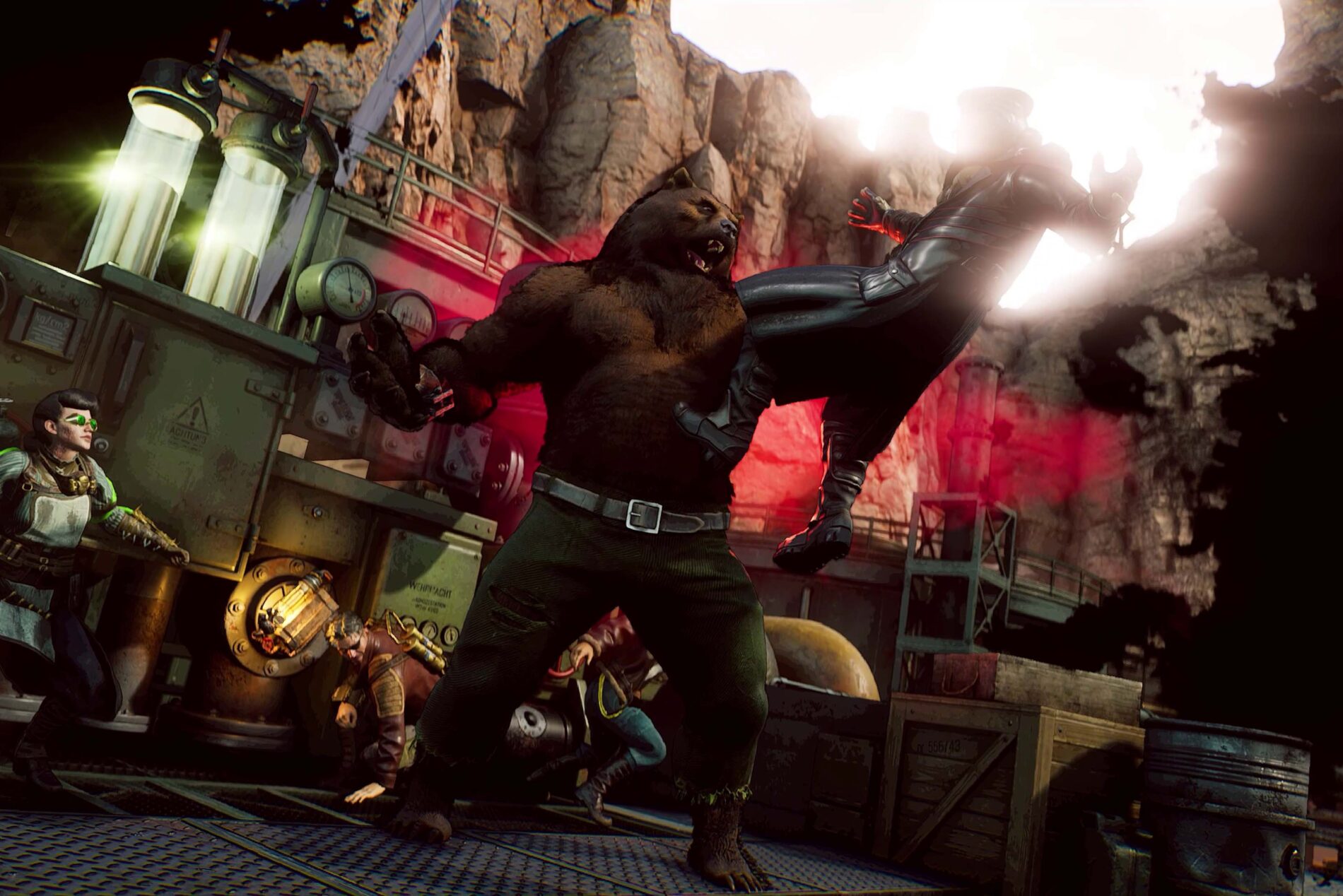
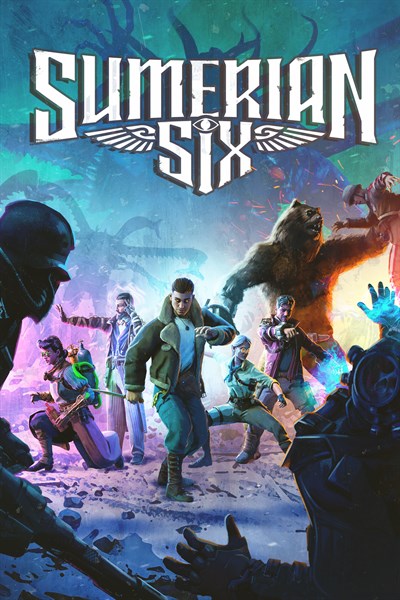


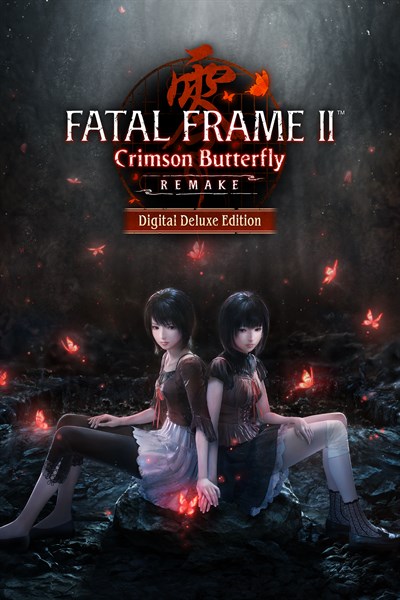
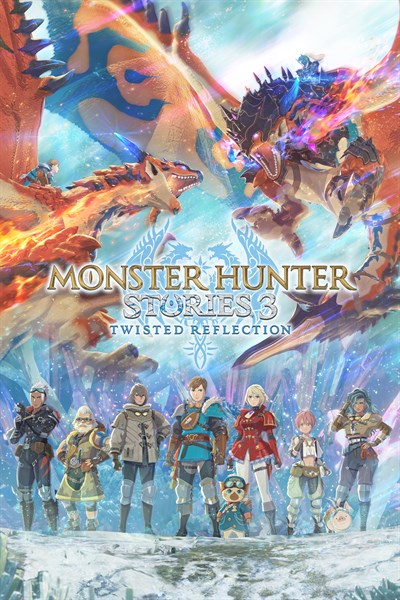





 26 – Digital Deluxe Edition (Pre-Order)