Following a handful of Star Trek games on Switch over the last few years, a couple of which have been rather good, Switch 2 now has its own entry in the Trek library courtesy of German devs GameXcite, and this is probably the best one yet – IF (big if) you’ve got the stones for a long, arduous journey.
It’s worth emphasising up front that Star Trek: Voyager – Across The Unknown is punishing. If you want to explore strange new worlds stress-free, best warp on by; expect compromises, tough decisions, and permanent losses if you’re to get Janeway and co. back to the Alpha Quadrant. Even on the lowest difficulty, you will have to restart a sector or two.
Welcome to Next Week on Xbox! In this weekly feature we cover all the games coming soon to Xbox Series X|S, Xbox One, Xbox on PC, and Game Pass! Get more details on these upcoming games below and click their profiles for further info (release dates subject to change). Let’s jump in!
Make your mark. Become a Legend. Own The Show. Step up and take control of how you leave your mark in the most immersive MLB The Show yet. Discover new Road To The Show mechanics, deeper Franchise experiences, enhanced customization options, and true-to-life on-field action. Pre-order to receive a Gold Choice Pack and Early Access starting on March 13.
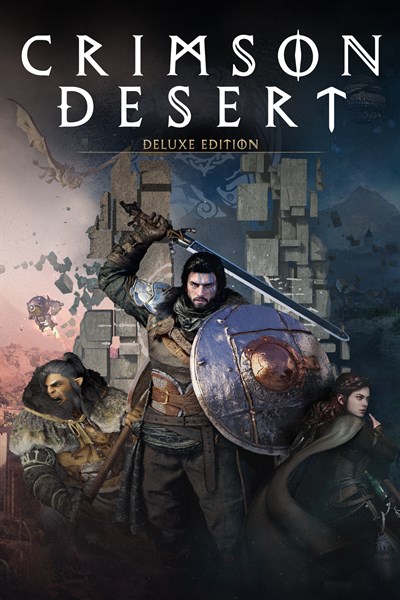
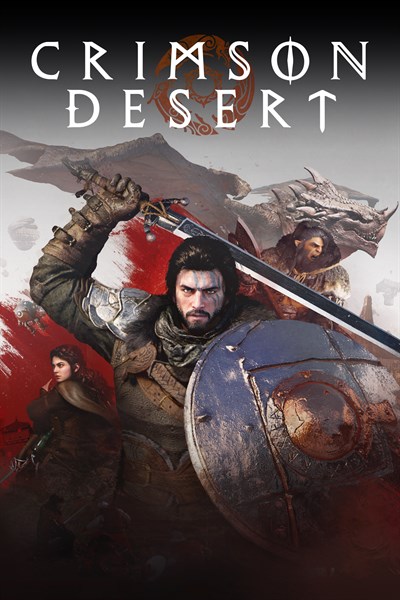
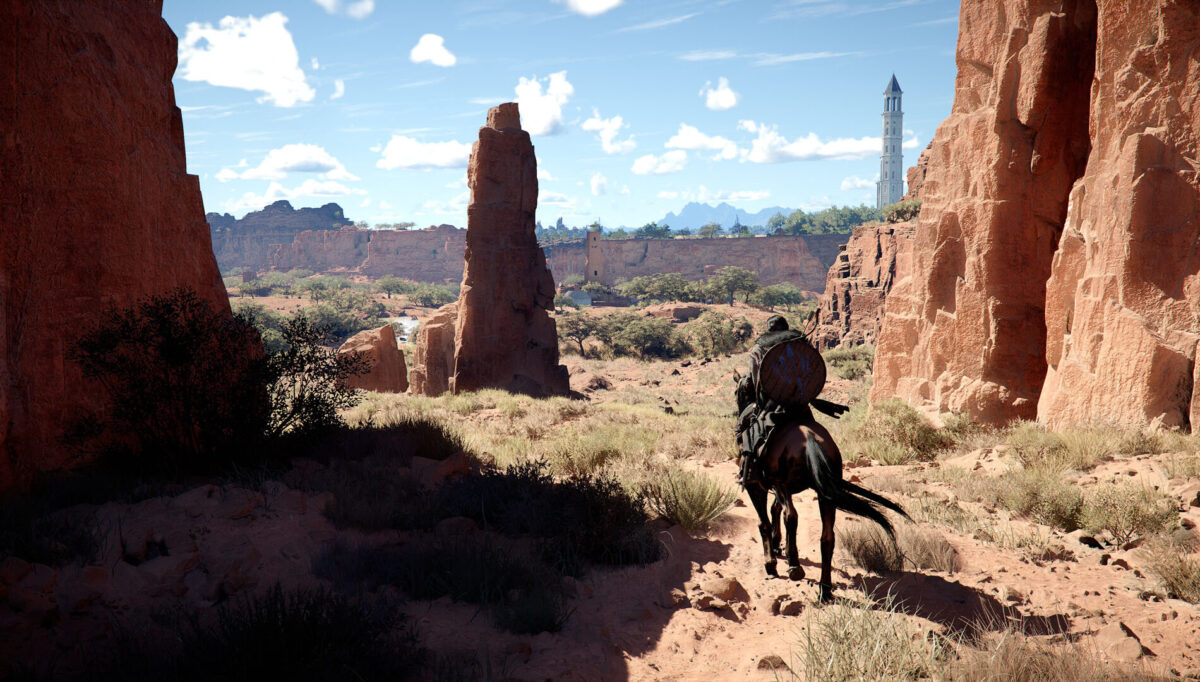
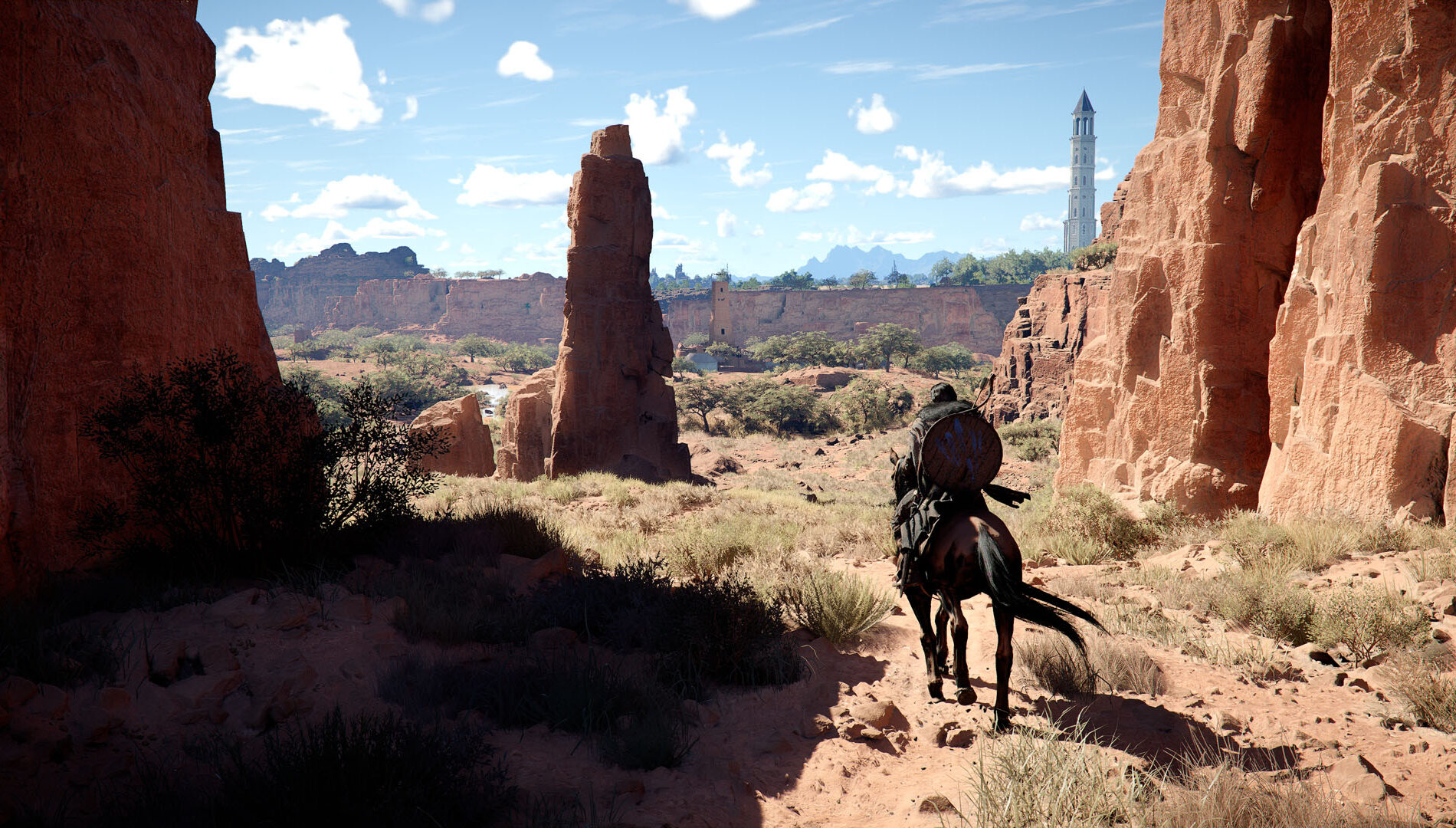
Crimson Desert is an open-world action-adventure game set in the beautiful yet brutal continent of Pywel. Take on the role of the Greymane Kliff and embark on a journey across the continent to reclaim everything you’ve lost. Explore uncharted lands, encounter mysterious factions, and experience firsthand a world that is as breathtaking as it is merciless.
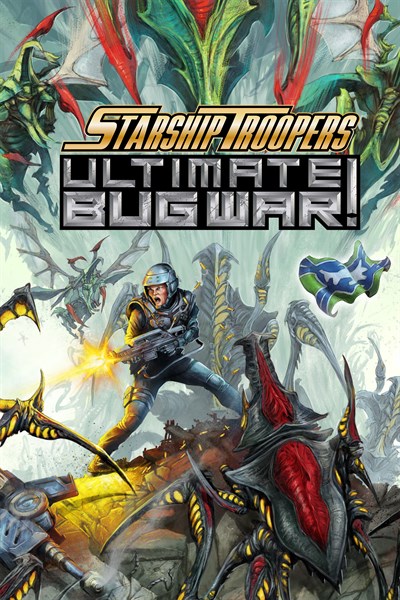
The United Citizen Federation is calling on you to join the fight for humanity. Join General Johnny Rico and Major Samantha “Sammy” Dietz, as they showcase the latest official game from FedDev, state-sponsored software developer of the United Citizen Federation. This is Starship Troopers: Ultimate Bug War!
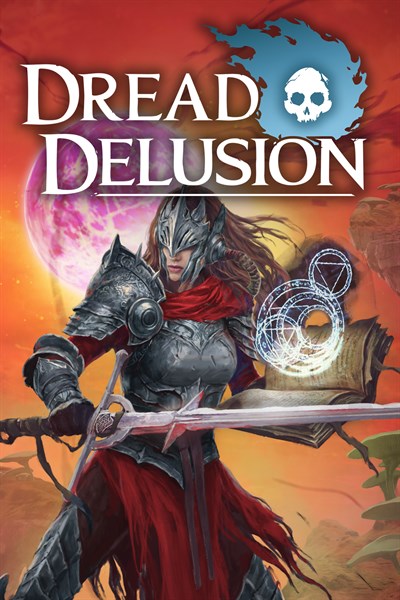
Explore floating islands under a strange sky in a hand-crafted open world. The world is broken. Its surface seethes with an undead curse, while humanity clings to flying continents in the sky. From mushroom forests to undead mausoleums, strange places and people await you. But will you find a way to heal this world – or seek power and profit for yourself? A keen mind or charming wit can prove just as useful as a sword; and your decisions will shape how the story unfolds.
Join Thomas and his friends on a special journey across Sodor! Hop into the cabs of North Western Railway’s classic steam team to enjoy nostalgic stories and all-new narratives right from the drivers’ seats. Explore the Wonders of Sodor – fun and magic await! Join Thomas, Diesel, Gordon, Percy, and Emily for railway adventures in their home, the Island of Sodor. Explore iconic landmarks across Sodor, such as the Tidmouth Sheds, Knapford station, and the famous Windmills. Play a total of 8 stories all narrated by the legendary Mark Moraghan.
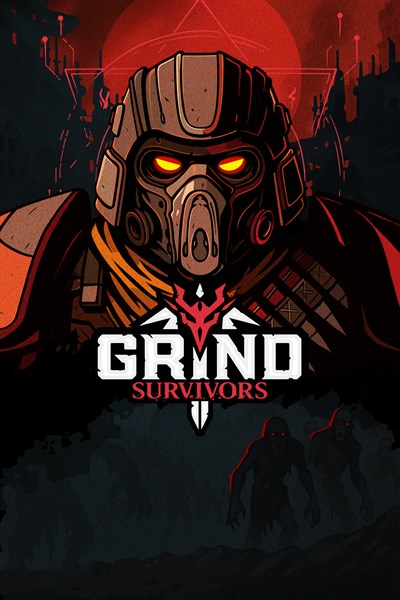
Grind Survivors throws you into a relentless action rogue- and survivors-like where you battle endless waves of hellspawn as a towering demon hunter. Set in a post-apocalyptic Earth overrun by demonic corruption, every run is a fight for survival, and a chance to grow stronger. Dodge through explosive bullet-hell chaos, stack powerful upgrades, and loot procedurally generated weapons with unique stats, traits, and origins.
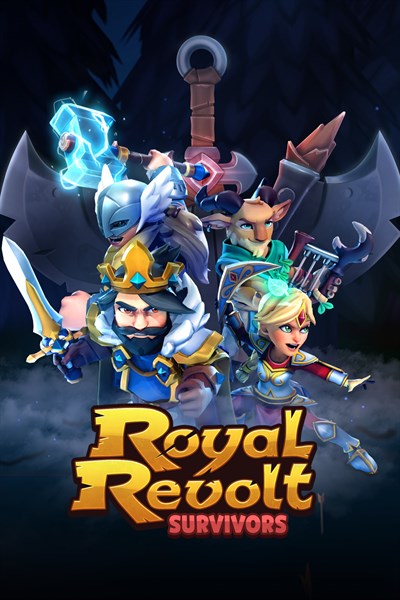
Royal Revolt Survivors delivers fast-paced top-down roguelite action fused with addictive survivor-style combat and massive replayability. Defend your kingdom against relentless waves of enemies and fight to survive run after run. Choose from iconic Warriors, each with unique abilities and playstyles. Battle across dynamic arenas filled with escalating threats, surprises, and ever-changing conditions that demand quick thinking and smart builds.
In Space Kitten, time is your greatest enemy. Take control of an adorable space feline and navigate the interconnected rooms of your spaceship with one simple, unforgiving rule: you have exactly 10 seconds to survive each challenge. Prepare for a platforming experience where every environment demands perfection. Activate switches, jump over deadly obstacles, and escape before the timer runs out. Instant respawn creates a fast-paced, addictive cycle of trial, error, and flawless execution. It’s a cute yet brutal adventure focused on memorizing the ideal route and mastering it with absolute precision.
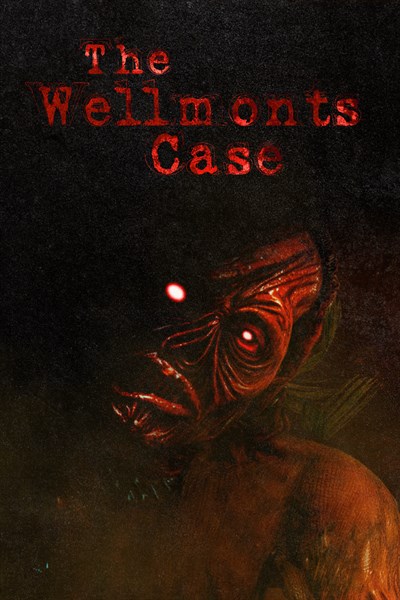
The Wellmonts Case is a first-person psychological horror game set in 1993, Northern Maine. As a private detective, you explore the abandoned Wellmont farm, search for clues, photograph unsettling evidence, and uncover the truth behind a family’s unexplained disappearance.
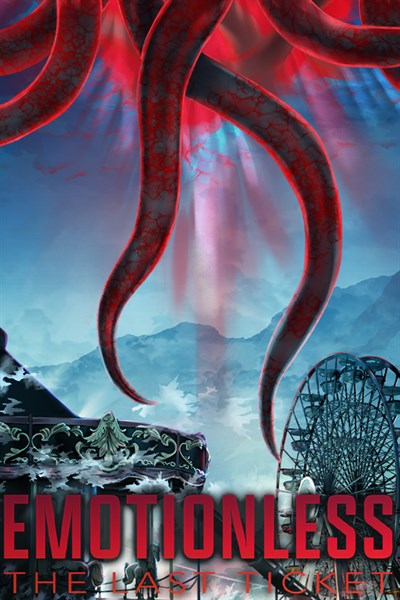
A first-person psychological horror journey where memory and reality fracture. As James Anderson, you return to the decaying remains of the amusement park your father built and then vanished within. Not everything you see is real. Not everyone you meet is alive. And some things simply don’t belong to this world.
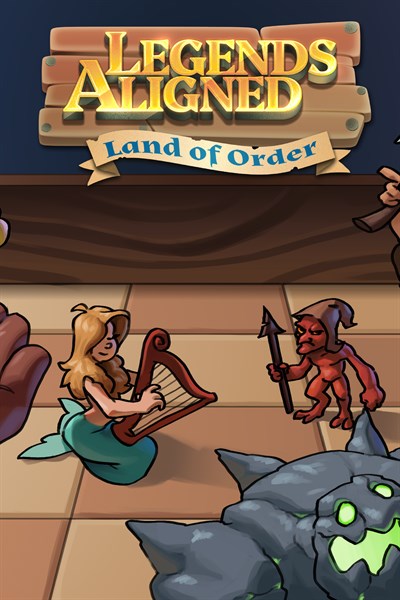
Step into a new chapter of calm and clever challenges in Legends Aligned: Land of Order, a puzzle where every piece has its place and every decision brings you closer to the perfect solution. Set in refreshed environments full of personality, the goal is simple and satisfying: fit different shapes together until the entire board is complete.
After walking away from volleyball, Kaito returns to the court with a burning desire to chase his dream once more. This time, he is serious about becoming a professional player. In Beautiful Sakura: Volleyball 2, Kaito reunites with three strong and unforgettable girls. Michiko, his passionate longtime rival who shares his love for intense competition. Yuuki, disciplined and sharp, who pushes him to grow stronger every morning. And Hikari, bold and unpredictable, who turns every match into something personal.
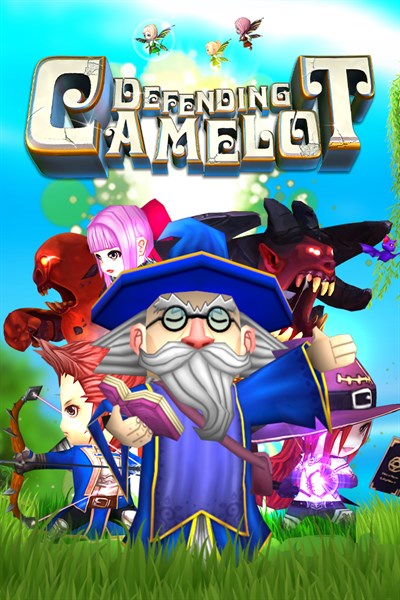
A tower defense RPG where you’ll take the role of King Arthur and strategically deploy your troops to fend off waves of menacing fiends. Choose from cards representing each unit type, placing archers and warriors of various classes on the battlefield to meet the threat head-on, while farmers and other support units earn coins to purchase more units or deploy magic to strengthen units’ defenses.
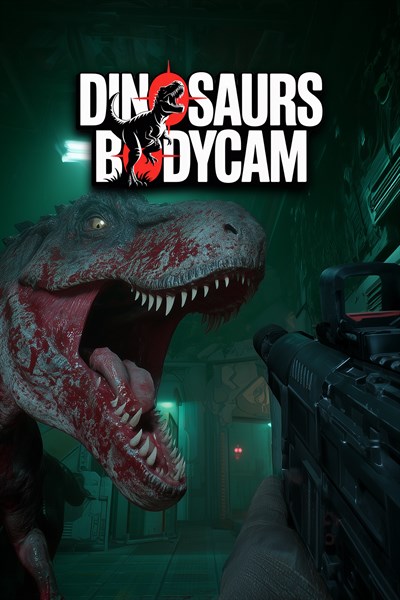
You’re part of an elite response team sent to investigate a remote research facility gone dark. Your bodycam captures every terrifying moment as prehistoric predators stalk you through blood-stained corridors and dense jungle terrain. Your mission was simple: secure the facility. What waits inside is beyond imagination. Every roar, every footstep, every desperate shot fired—all captured in horrifying detail. The footage doesn’t lie. The question is: will anyone find yours? Hunt. Record. Survive.
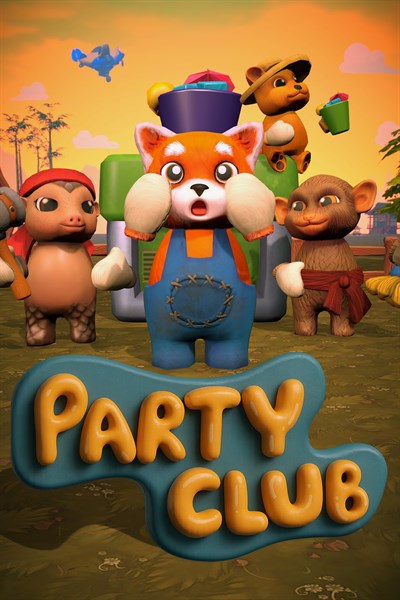
Seat customers, serve drinks, and manage chaos with up to 4 players! Keep the peace by considering customer types while seating them. Survive disasters, handle quirky customers, and design the perfect venue to keep the party going!
Side-scrolling, arcade action is paired with on-the-fly strategy. 3 button gameplay is easy to pick up, but it is the dynamic play-calling that elevates this title beyond just long bombs and acrobatics. Attribute-rich players make up a vast set of rosters. Dig through decades of teams to find your favorite All-Stars and even unlock the “Legends” in an immersive story mode. This game is a passion project for us indie developers here at Namo Gamo. We hope you can feel the love put into every pixel, the endless adjustments to stat-driven gameplay, and the genuinely retro sound and music.
A young man gets to fill in for his colleagues at a large cafeteria franchise as his first job, but things spiral out of control when he discovers chaos, also known as rush hour.
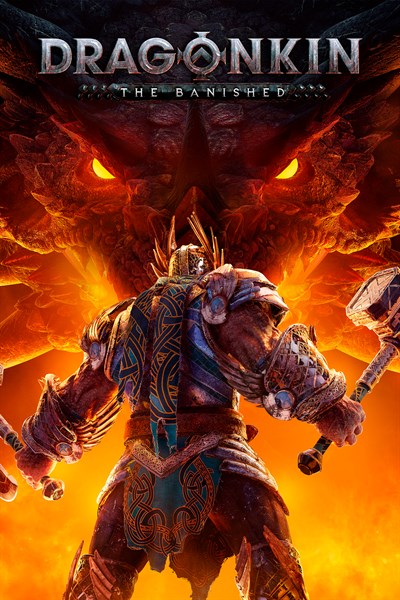
In Dragonkin: The Banished, immerse yourself in a world corrupted by dragon blood, where evil creatures emerge from the bowels of the earth. Play as one of the legendary hero classes, driven by a singular mission: to hunt down and annihilate the dragon creatures. Each battle brings you closer to your goal of finding and eliminating the Dragon Lords.
No-Skin – March 19 Optimized for Xbox Series X|S / Smart Delivery / Xbox Play Anywhere
No-Skin is a horror roguelike with experimental artstyle and storytelling, strategic gameplay and deep mysteries. Face the horrors that the house hides behind every corner and discover who the No-Skin Man truly is. Immerse yourself completely in the unsettling and surreal atmosphere of the game!
Get ready for the most important mission in the zoo: making sure the laziest and most adorable panda in the world reaches its favorite bamboo! In Panda Keeper, you take on the role of the keeper and must use logic, patience, and a bit of strategy to push the big fluffy buddy around the enclosure without getting him stuck in tight corners. Each level is a new habitat filled with rocks, fences, and corridors that turn a simple “little push” into a delightful brain teaser.
Realpolitiks II is a grand strategy game where you lead a modern nation, managing its economy, diplomacy, espionage, and military while facing global threats like terrorism, pandemics, and famine. Build your country, shape its political system, command armies in land, sea, and air battles, and use diplomacy or covert actions to secure your path to world dominance.
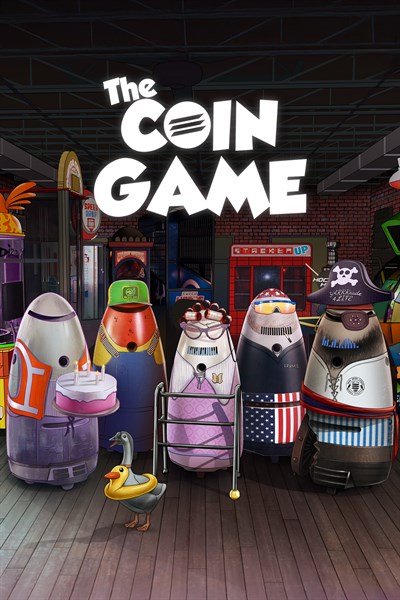
The Coin Game is a fun-filled arcade adventure on an island packed with ticket games, quirky robots, and endless activities. Explore realistic arcades with machines inspired by modern favorites and swap your tickets for prizes at redemption areas.
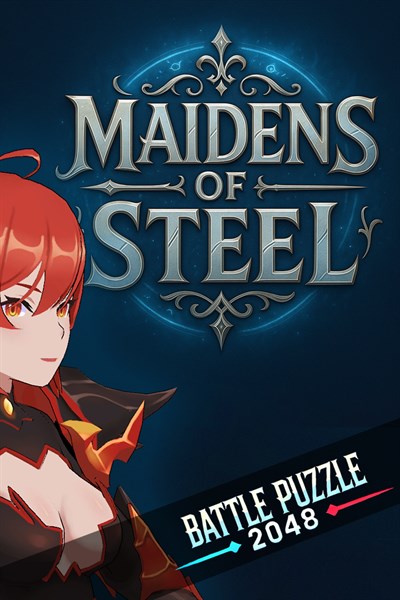
Battle Puzzle 2048 – Maidens of Steel brings a fierce twist to the classic 2048 puzzle game! Slide tiles to combine matching numbers, unleash devastating combos, and clash with a striking lineup of anime warriors and heavily armored battle maidens. Each opponent has her own tactical skillset—some block tiles, others absorb attacks, while a few unleash chaotic battlefield effects.
Cowboy Kart – March 20 Optimized for Xbox Series X|S / Xbox Play Anywhere / Smart Delivery / Handheld Optimized
Giddyup and get ready for some cowboy kart racing, ya’ll! It’s old school racing in the old west. Hurl horseshoes, drop cow-pies, and toss some TNT in this wily and wild game from the ’90s…. the 1890s that is… with supports for up to four players via split-screen.
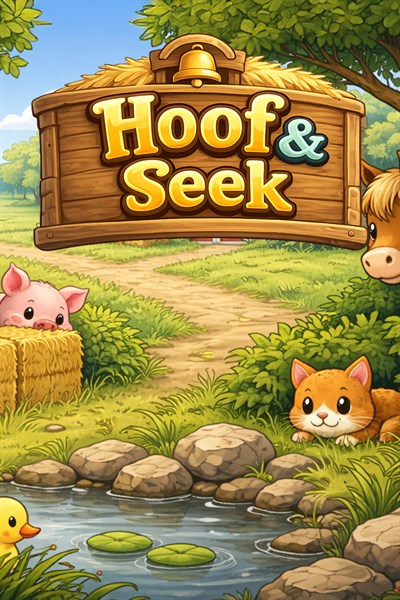
Hoof & Seek – March 20 Optimized for Xbox Series X|S / Smart Delivery / Xbox Play Anywhere
Hoof & Seek is a relaxed hidden-object game set on a charming farm. Each level takes place on a single screen filled with barns, trees, fences, and other farm scenery. Somewhere in each scene, farm animals are carefully hidden. Your goal is to observe the environment, search every corner, and find them all.
Help Kuky, a curious character who gets lost in the Candy World and must travel through colorful environments to find the way back home. During the journey, collect candies and face strange sugar-made enemies such as marshmallows, cookies, and other living, dangerous sweets.
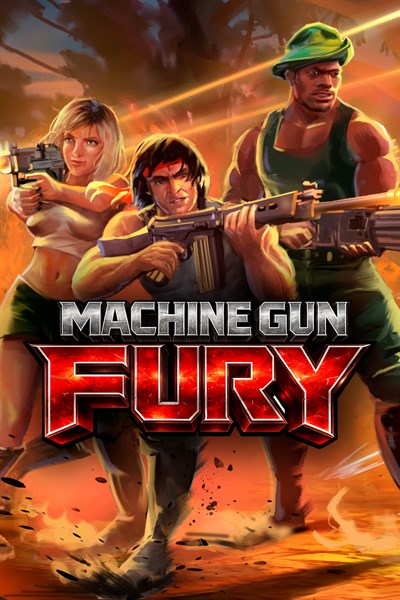
When tyranny takes control… someone must pull the trigger. Machine Gun Fury is a bold revival of the classic arcade military shooter — no cover systems, no moral debates, just pure reflex-driven carnage. It’s you, your trigger finger, and a limited supply of grenades against entire armies. If you grew up blasting through classic arcade games, welcome back to the frontline, soldier.
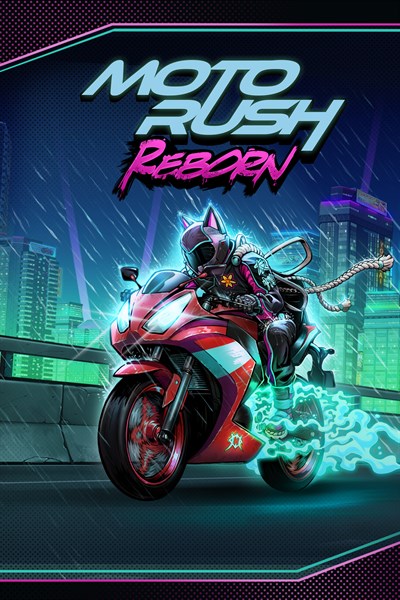
Rip through retro-futuristic Tokyo highways in a demonic pursuit of speed and power! Lane split through heavy traffic and dominate tracks filled with obstacles on an action-packed mission to overcome possession. Uncover the truth behind your curse through scattered collectible manga pages. Are you fast enough to outrun your demons?
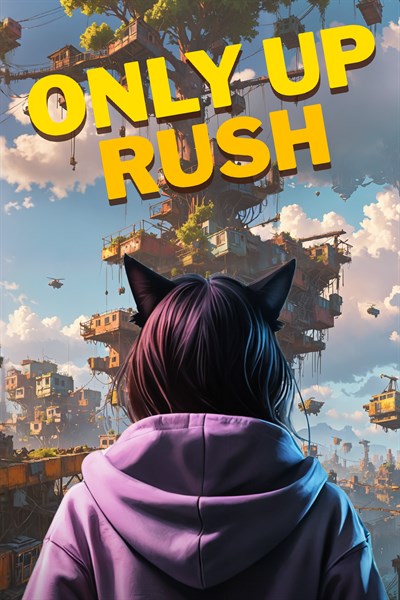
Push your skills to the limit to reach the highest point in the world. Only the chosen ones can taste the thrill of victory, standing on the edge and admiring the Earth below. Jump, parkour and compete against yourself in thousands of meters of tough challenges. Race the clock, beat it, break records and reach unprecedented heights! The only rule is not to fall!
Blast off into an intergalactic word search experience in Word Quest: Space. Explore distant galaxies and solve glowing puzzles filled with cosmic secrets. Connect letters, discover hidden words, and journey through planets, asteroids, and nebulae in your quest for knowledge among the stars. Every puzzle completed takes you deeper into the universe — can you conquer the cosmos one word at a time?
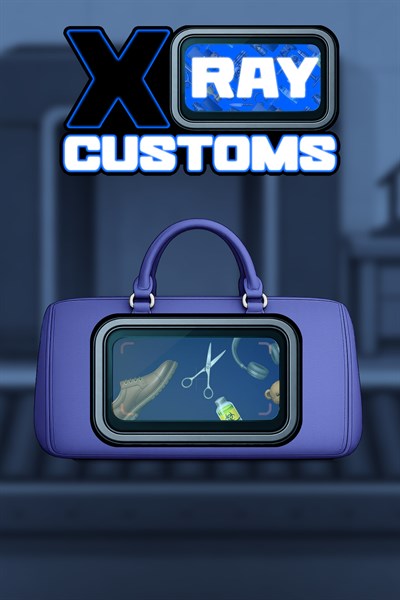
Xray Customs – March 20 Optimized for Xbox Series X|SXray Customs puts you in the role of a customs inspector with one clear responsibility: don’t let anything dangerous slip through. Using an Xray scanner, you search through bags, spot prohibited items, and clear each checkpoint by finding everything that doesn’t belong. Whether you prefer a calm, methodical experience or the thrill of racing against the clock, Xray Customs rewards sharp eyes and attention to detail. It’s easy to pick up, satisfying to master, and turns the simple act of scanning luggage into an engaging and addictive puzzle challenge.
All right, my old chuckaboo, it’s time to shake daddles and go mafficking. The toffs want us to pluck a few April showers from the insides of yon Ken Bowman. Cheese and crust! Now that’s a fancy crib. Look at the shine on these hardwood floors. Still, I don’t trust these shadows. Let’s step lively now and draw latches so we can shove off and powder our hair down the Bohemian Bungery.
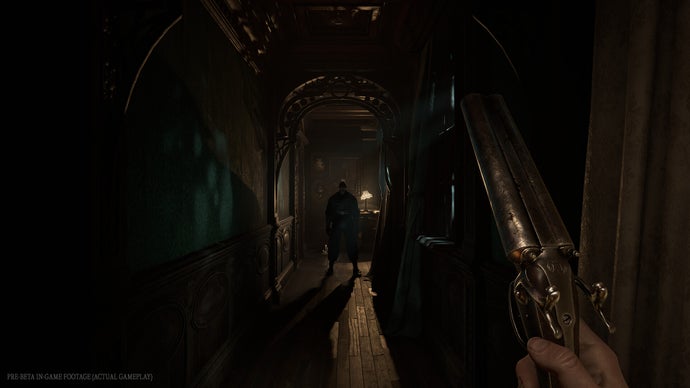
…Cordura is a one-to-four player horror game in which you play a Dishonored extra stealing magic roses from the bellies of shapeshifting mansions. “Science once dared to blur the boundaries of the Night, and now the darkness has returned to reclaim its own,” explains the Steam page. “Victorian buildings awaken corrupted by a primal influence, twisting their halls into procedural labyrinths and reducing inhabitants to empty shells that now stalk from the shadows.
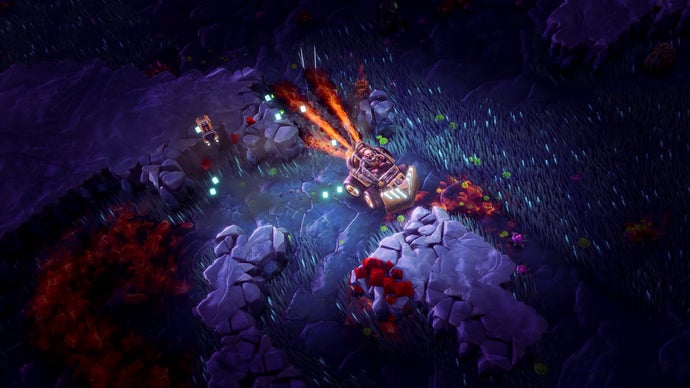
In today’s dwarf news, both Deep Rock Galactic spinoffs had announcements to make at the Future Games Show Spring Showcase. Loudest and crunchiest of the two was autoshooter Deep Rock Galactic: Survivor revealing its first new class, the bulldozer-riding Demolisher, who’ll get to work shifting shale on April 30th. Also approaching is co-op roguelike shooter Deep Rock Galactic: Rogue Core, which is launching into early access on May 20th.
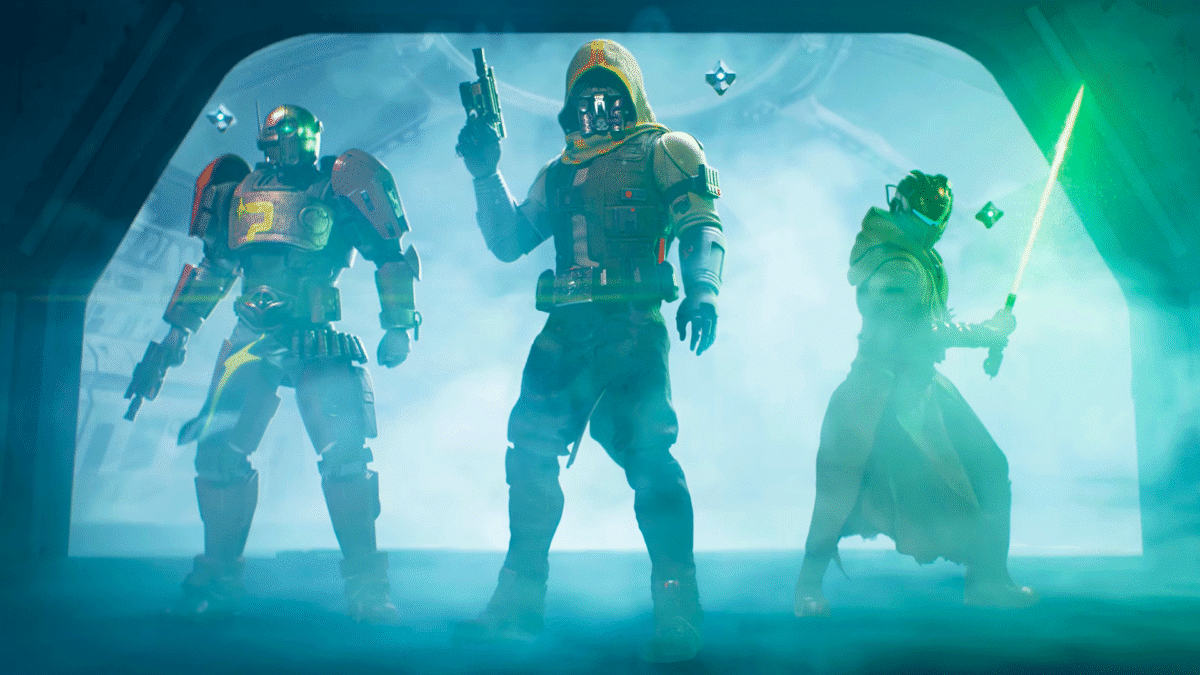
Destiny fans are lamenting the future of Bungie’s sci-fi shooter franchise, following a threadbare update this week, released while the developer focuses on supporting Marathon.
Destiny 2 Update 9.5.5.5 arrived on Wednesday, and its full patch notes read as follows:
And that’s it. Now, to be fair, there was no expectation that this week would bring a vast well of new Destiny 2 content to keep players occupied. Destiny players are also well aware of the fact Bungie is currently busy trying to make Marathon a success. But, as one fan put it in response: “I expected nothing and still got disappointed.”
At the time it announced that delay, Bungie avoided mentioning its simultaneous launch of Marathon, which would have arrived within the same release window — presumably to avoid the suggestion that one project was sapping resources from the other. But Destiny fans have found it hard to imagine a world where, had Bungie not been also focused on shipping Marathon, its revisions to Shadow and Order would not need to take as long.
Indeed, in its statement on the delay, Bungie seemed to go as far as it could to signal that things would be quieter for Destiny over the coming months, with basic maintenance and balance updates likely the only changes that players would see. The studio then thanked fans for their “continued patience and support,” before affirming that it would release more information on the update “closer to launch.”
For many players, the news felt like Bungie effectively moving its public focus on Destiny to the back burner until the summer months — something this week’s latest update has only cemented in fans’ minds, resulting in a mix of frustration and dark humor.
“Almost 3 hours of downtime for… this,” noted one fan, in a lengthy thread of complaints on reddit. “A single fix.”
“I’m curious – how many patches have only ever been one patch note?” questioned one fan. “Even dating back to Destiny 1, I feel like that has to be a rare sight. Not even dogging on the game/studio – genuine curiosity.”
“There’s literally no one working on this game anymore,” wrote another fan. “Dev team is genuinely one part timer huh,” added a second. “So effectively they’ve dropped Destiny entirely to work on Marathon? Sigh, could of at least released the DLC you announced first,” said a third.
“Next [blog] will literally just say ‘please play Marathon’,” reads another comment. “You can only laugh about it and then cry about what has become of the best live service game ever,” reads yet another.
IGN has contacted Bungie owner Sony for more detail on its content plans and resources available to work on Destiny, but did not receive a response. In the meantime, it remains a tough time for the developer and the nine-year-old Destiny 2, while there have also been mixed reports on Marathon’s initial launch performance so far.
Last year, Sony said Bungie had failed to meet its sales and user engagement expectations, following a notable drop in Destiny 2 player numbers. The damage was bad enough that Sony said it had been forced to record a 31.5 billion yen (around $204.2 million) impairment charge as a result of Destiny 2’s underperformance. That was significant enough to drag down profits at Sony’s Game & Network Services Segment, which includes Sony Interactive Entertainment.
“For years now, Destiny has been on this steady hardening of the core [audience],” Destiny 2 game director Tyson Green told IGN back in November. “More and more core players are staying and playing the game, but relatively few [new] people come into the game. There’s a tightening and contraction, and this presents problems for a game that you’re trying to maintain as a live service, especially when you want to keep serving those core players with great, compelling expansions.” Exactly when these might arrive, however, remains to be seen.
Tom Phillips is IGN’s News Editor. You can reach Tom at tom_phillips@ign.com or find him on Bluesky @tomphillipseg.bsky.social
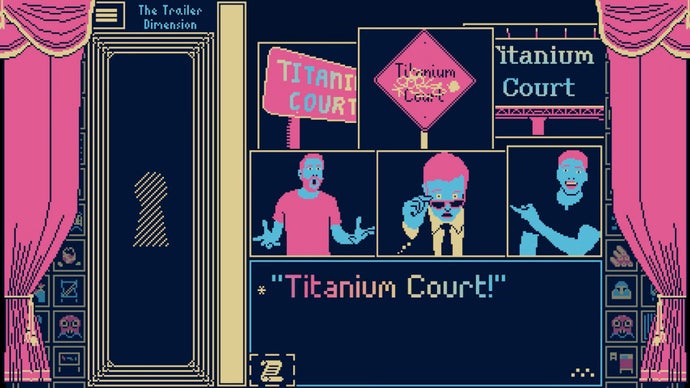
AP Thomson, developer of surreal strategy game Titanium Court, has expressed solidarity with those affected by the litany of “cruel and unnecessary” practices currently being employed by the Trump-led US government. Taking to the stage to give an acceptance speech after Titanium Court was awarded the Independent Game Festival (IGF)’s Seumas McNally Grand Prize for the Best Independent Game, Thomson shared a message that ended in hope future awards shows will be able to see everyone come together “safe and thriving”.
Nintendo of America is suing the U.S. government, including the Department of Treasury, Department of Homeland Security, and US Customs & Border Protection, over the tariffs implemented in 2025 via executive order from President Donald Trump.
As reported by Aftermath, the complaint concerns the “initiation and administration of unlawful trade measures that have, to date, resulted in the collection of more than $200 billion in tariffs on imports from nearly all countries”.
Pokémon Pokopia will soon get an update that addresses an array of issues and improvements, Nintendo has confirmed.
Launched last week to huge success, Pokopia players are already creating blocky Pokémon paradises full of incredible creations — though a few users have gotten snagged by bugs along the way. Now, Nintendo has said it is aware of several issues — and listed a string of bugs and upcoming additions it has planned for Pokopia in the near future.
Happily, Nintendo expects that its planned update will several progression blockers that are currently occurring in players’ worlds, even if players have encountered them already (so no, hopefully you don’t now need to start over).
Other than bug fixes, there’s no mention here of actual new content also coming to Pokémon Pokopia in future — but it is still early days. And it’s worth remembering that the first in-game event “More Spores for Hoppip” is already now live, and set to run until March 25.
Beyond that, it remains to be seen how and when Nintendo will add new Pokémon species and items to Pokopia, though the game’s big launch (with more than 2.2 million copies already sold) means it’s likely the game will be kept updated for the forseeable future.
Nintendo’s current list of upcoming fixes, as confirmed in a new blog post on the official Pokémon Pokopia website, lies below:
Known issues
When requesting “Let’s build a home!” in “Pasapasa Koya Town,” Squirtle moves up a tree and cannot be spoken to, preventing the request from progressing.
In the “Gloomy Seaside Town” request “Find a Pokémon Center!”, if you destroy the cracked blocks on the bridge before Mojambo crosses it, it will be difficult to progress with the request.
When performing the “Find a Pokémon Center!” request in “Dusky Seaside Town,” if you follow certain steps, the event to repair the bridge in “Mojumbo” will not occur, and you will not be able to progress with the request.
In “Rugged Mountain Town,” if you follow certain steps, the event where you encounter “Rotom” will no longer occur.
When the request “Let’s clean up the roads!” in “Rugged Mountain Town” occurs under certain circumstances, it becomes difficult to progress with the request.
The type of “Spinarak” in the Pokédex is incorrect.
Planned improvements
In the “Pasapasa Koya Town” request “Break the rocks with a Rock Smasher!”, if you place another block in the position of the cracked block near the “Crab Growl”, it will be difficult to understand how to proceed.
In the “Dusty Seaside Town” request “Take the Professor with you!”, if you place another block in the position of the cracked block near “Snorlax”, it will be difficult to understand how to progress.
Future plans
An update to correct the above will be released soon. Even if the problem has already occurred, applying this update will resolve it. We will continue to investigate any other issues not mentioned above.
If you’re a fan of the video game icon Lara Croft and happen to own a Switch 2, we’ve got some good news! Her collection Tomb Raider I-III Remastered is now available on the Switch 2.
According to the press release, this version includes 1440p at 60fps docked and 1080p at 120fps in handheld mode. The good news is this upgrade will also be available to existing owners of the Switch version “at no extra charge in a free update “coming soon”. According to a response from Aspyr on social media, the upgrade will begin rolling out on 18th March 2026 (aka next week).
Elden Ring: Tarnished Edition is on its way to the Switch 2 at some point this year, and ahead of its arrival, we’ve got a new round of previews from GDC. These latest impressions are based on a 15-minute demo of a newly optimised build of the game.
Overall, this latest previews seem mostly positive and there is a lot of focus on the game’s performance. FromSoftware’s title will apparently run at around 30fps on Nintendo’s new hybrid hardware on both the handheld and docked modes. RPG Site says the resolution is “either hitting or very visibly close to a native 1080p” in handheld.

 26 – Digital Deluxe Edition